
What Is a Solids Control System and Why Was It Developed?
In modern drilling operations, drilling fluid (mud) is continuously pumped down the drill string into the wellbore and returns to the surface carrying drilled cuttings and formation debris.
However, drilling mud is expensive and improper disposal can lead to serious environmental issues. To address these challenges, the Bohrfeststoffkontrollsystem was developed.
A solids control system—also known as a drilling mud circulation system or mud cleaning system—is one of the most critical components of any drilling rig. It ensures efficient recycling and purification of drilling fluids throughout the drilling process.
Importance of Drilling Mud in the Drilling Process
During drilling, especially in deep wells, operators often encounter complex formations such as hard rock layers, gas zones, or geothermal zones.
Drilling mud plays a vital role in these situations:
- Lubrication & Cooling: Reduces friction and wear on the drill bit
- Pressure Control: Balances formation pressure to prevent blowouts and kicks
- Cuttings Transport: Carries drilled solids to the surface
- Wellbore Stability: Prevents collapse of the wellbore walls
Drilling mud typically contains a mixture of water, oil, and suspended solids, and can be classified into:
- Water-based mud (WBM)
- Oil-based mud (OBM)
- Synthetic or mixed mud systems
Operators often add barite and polymers to improve mud density and performance.
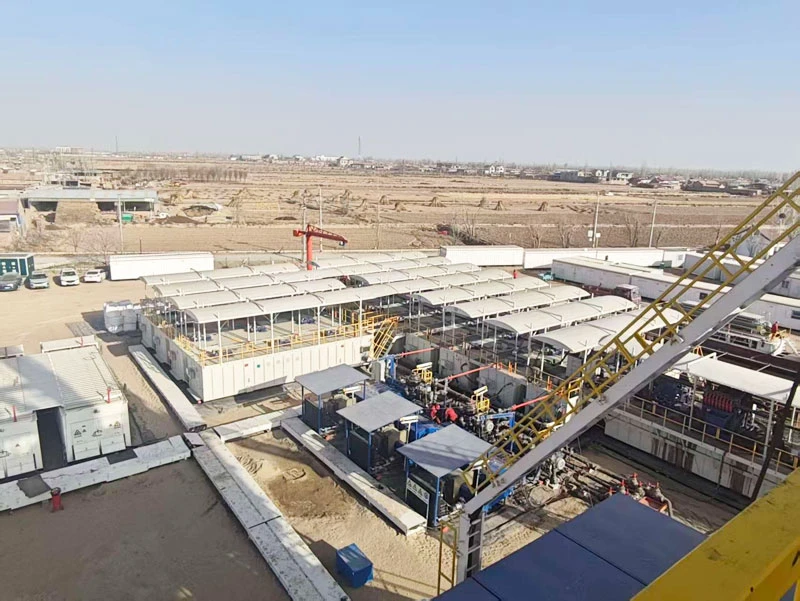
Main Functions of a Solids Control System
A drilling solids control system consists of multiple stages of separation equipment, each designed to remove solids of different sizes and improve mud quality.
Key equipment includes:
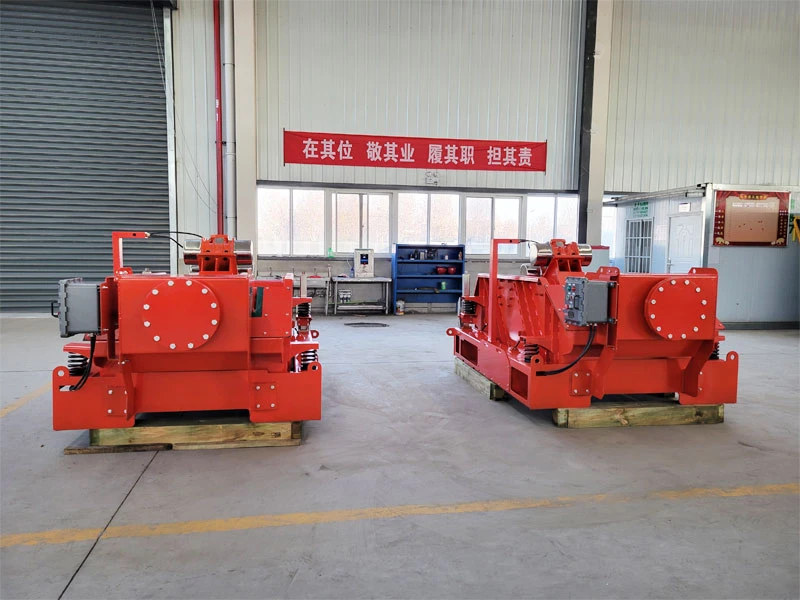
- Schieferschüttler – Primary separation of large cuttings
- Vacuum Degasser – Removes harmful gases from drilling fluid
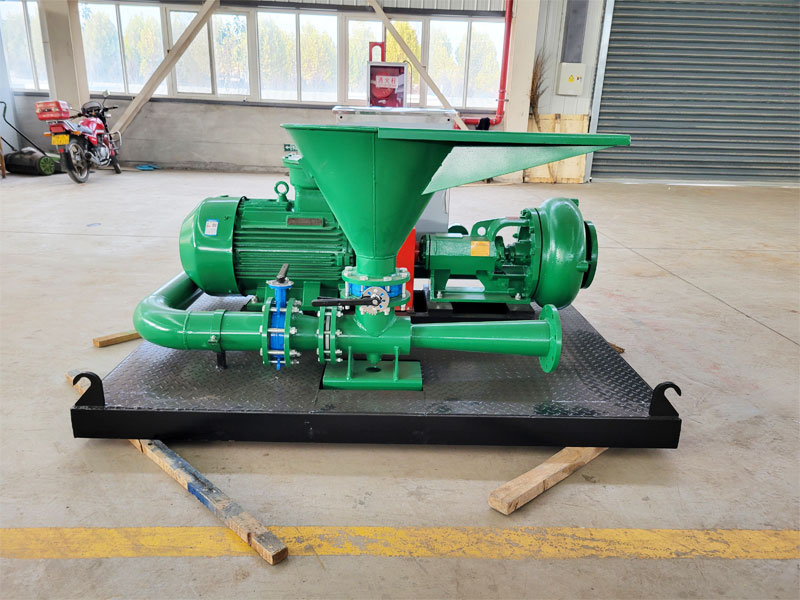
- Desander – Eliminates coarse particles
- Desilter – Removes finer solids
- Dekanter-Zentrifuge – Separates ultra-fine particles
These components work together like a multi-stage filtration system, ensuring that drilling mud is continuously cleaned and reused.
Key Benefits of Using a Solids Control System
Implementing a high-quality solids control system can bring significant advantages:
1. Cost Reduction
Recycling drilling mud reduces the need for new fluid materials, significantly lowering operational costs.
2. Improved Drilling Efficiency
Clean mud enhances drilling performance, reduces equipment wear, and increases penetration rates.
3. Enhanced Safety
Proper pressure control minimizes risks of well kicks, blowouts, and other drilling hazards.
4. Schutz der Umwelt
Efficient solids removal reduces waste discharge and helps meet environmental regulations.
5. Extended Equipment Life
Cleaner drilling fluid reduces abrasion on pumps, drill strings, and other critical equipment.
Schlussfolgerung
A drilling mud solids control system is essential for safe, efficient, and environmentally responsible drilling operations. By continuously cleaning and recycling drilling fluids, it not only improves drilling performance but also delivers substantial economic and environmental benefits.
 Chat mit Ingenieur