
HL Petroleum has successfully delivered its cutting-edge 750HP Workover Rig Solids Control System. This advanced system promises to significantly boost operational efficiency and minimize environmental impact in the company’s oilfield operations.
Core Components for Optimized Drilling Fluid Management
At the heart of this comprehensive system is a robust mud tank, which serves as the central hub for storing and processing drilling fluids. Complementing this are several high-performance separation units:
- Drilling Fluid Shale Shakers: The system includes two shakers engineered with advanced screening technology. These effectively separate large solids from the drilling fluids, ensuring a cleaner and more stable fluid flow.
- Mud Cleaner: This unit refines the separation process by combining the functions of a shale shaker and a desander/desilter. It efficiently removes medium-sized solids and fine particles, thereby improving the drilling fluid quality and extending its service life.
- Medium-Speed Centrifuge: Playing a crucial final role, the centrifuge uses high-speed rotation to separate even the smallest solids from the drilling fluid. This process is key for recovering valuable drilling additives and substantially reducing waste disposal costs.

Essential Accessories and Advanced Control
The system is fully equipped with essential accessories to ensure smooth, precise, and reliable operation:
- Sand Pumps: Ensure the smooth and efficient transfer of drilling fluid throughout the system.
- Agitators: Prevent solids from settling and accumulating on the bottom of the mud tank.
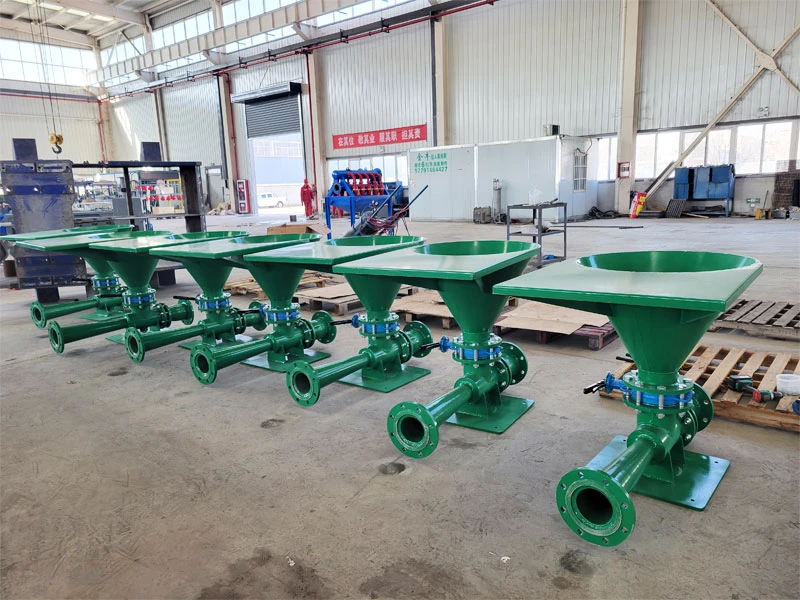
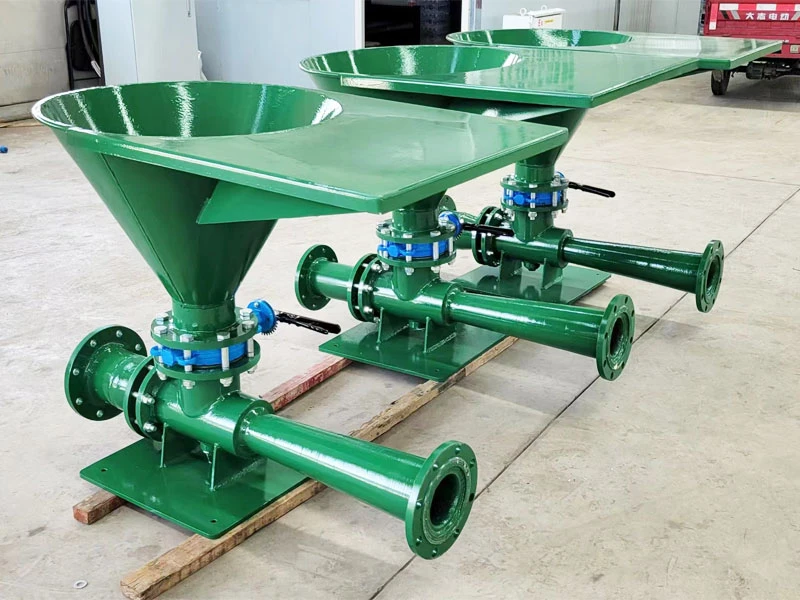
- Mud Hoppers: Facilitate the controlled and easy addition of new materials and chemical additives to the drilling fluid.
- Electrical Control System: This advanced system enables operators to monitor and adjust system parameters in real-time, ensuring precise and reliable operation.
Setting a New Industry Standard
The 750HP Workover Rig Solids Control System is a testament to HL Petroleum’s commitment to innovation and quality. It not only meets the stringent demands of modern oilfield operations but also sets a new standard for solids control technology in the industry.
 Chat with Engineer