
In oil and gas drilling operations, a mud agitator is a critical component of the solids control system. It ensures proper mixing and suspension of drilling fluids, preventing solid particles from settling at the bottom of mud tanks. Choosing the right mud agitator directly impacts drilling efficiency, fluid performance, and overall operational costs.
This guide explains how to select the right mud agitator based on key technical factors and real-world application needs.
What Is a Mud Agitator?
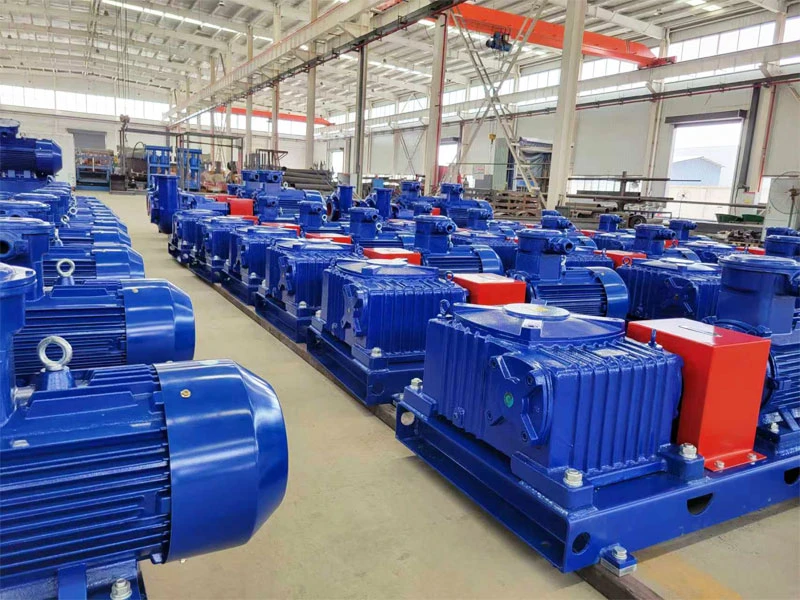
A mud agitator is a mechanical device installed on top of a mud tank. It uses a motor-driven impeller to continuously stir drilling fluid, keeping solids such as barite and bentonite evenly suspended.
Without proper agitation:
- Weighting materials settle quickly
- Mud density becomes unstable
- Solids control equipment becomes less efficient
Why Choosing the Right Mud Agitator Matters
Selecting the wrong agitator can lead to:
- Poor solids suspension
- Increased drilling fluid costs
- Reduced efficiency of desanders, desilters, and centrifuges
- Equipment overload and higher maintenance
A properly selected mud agitator ensures:
- Uniform mud properties
- Improved drilling performance
- Lower operational costs
Key Factors to Consider When Choosing a Mud Agitator
1. Mud Tank Size and Volume
The size of the mud tank determines the required power and number of agitators.
- Small tanks (20–40 m³): 5.5–7.5 kW
- Medium tanks (40–80 m³): 7.5–11 kW
- Large tanks (80–120 m³): 11–15 kW
For example, a 500 BBL (≈80 m³) mud tank typically requires 2–3 agitators of 11–15 kW each.
2. Motor Power and Torque
Motor power must be sufficient to handle:
- High-density drilling fluids
- High solid content
- Continuous operation
Low-speed, high-torque agitators are preferred because they:
- Reduce wear
- Improve mixing efficiency
- Extend service life
3. Impeller Type and Diameter
The impeller plays a key role in mixing performance.
Common types:
- Axial flow impeller (most widely used)
- Radial flow impeller (for heavy-duty mixing)
Larger impeller diameter provides:
- Wider coverage area
- Better suspension effect
4. Gearbox Type
Mud agitators typically use:
- Worm gear reducers
- Helical gear reducers
Helical gear reducers are recommended because they:
- Offer higher efficiency
- Have longer lifespan
- Require less maintenance
5. Installation Position and Quantity
Proper placement ensures full tank coverage.
General guidelines:
- Install agitators evenly across the tank
- Avoid dead zones where solids can settle
- Use multiple agitators for larger tanks
6. Shaft Length and Design
The shaft length must match the mud tank depth.
Options include:
- Single shaft (standard tanks)
- Double or extended shafts (deep tanks)
Material selection (e.g., stainless steel) improves corrosion resistance.
7. Explosion-Proof Requirements
For oil and gas drilling, explosion-proof motors are essential.
Make sure the agitator meets:
- ATEX standards
- IECEx certification
This ensures safe operation in hazardous environments.
8. Energy Efficiency and Maintenance
Choose a mud agitator that offers:
- Low power consumption
- Easy maintenance access
- Replaceable wear parts
This reduces long-term operating costs.
Recommended Configuration Example
For a typical drilling rig:
- Tank Volume: 80 m³ (500 BBL)
- Recommended Setup:
- 2–3 mud agitators
- 11–15 kW motor each
- Impeller diameter: 700–900 mm
- Helical gearbox
Common Mistakes to Avoid
- Choosing low power to reduce initial cost
- Ignoring tank layout and dead zones
- Using non-explosion-proof motors
- Selecting incorrect shaft length
These mistakes often lead to poor performance and higher long-term expenses.
Conclusion
Choosing the right mud agitator is essential for maintaining drilling fluid stability and optimizing solids control performance. By considering tank size, motor power, impeller design, and installation layout, you can significantly improve drilling efficiency and reduce operational costs.
If you are designing a complete solids control system or upgrading existing equipment, selecting the correct mud agitator should be a top priority.
 Chat with Engineer