
In the demanding environments of oilfield, geothermal, and HDD operations, mud agitators play a critical role. Their primary function is to maintain the uniformity of drilling fluids and keep solid phase particles in suspension. Without a reliable mixer, solids settle, fluid properties become unstable, and the entire circulation system risks failure.
To ensure your equipment remains “field-ready” and to prevent costly downtime, a rigorous maintenance schedule is non-negotiable. Here are the best practices for maintaining oilfield drilling agitators.
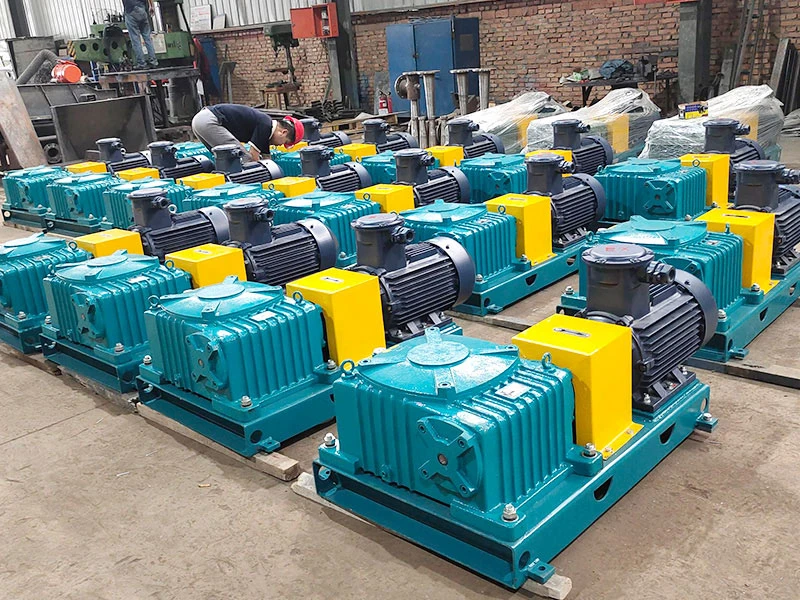
1. Professional Maintenance Protocols during Use
Proactive maintenance is the difference between a seamless operation and an expensive mechanical failure. Follow these five key steps:
A. The Critical “Break-In” Oil Change
When a new agitator is put into operation, the initial “wear-in” period is vital. After the first 5 days of normal operation, the gearbox lubricating oil should be completely drained. The gearbox must be cleaned thoroughly and refilled with fresh, high-quality lubricant. Following this initial change, a full oil replacement is recommended every 6 months.
B. Routine Oil Level Inspections
Operators should perform daily visual checks of the reducer oil mark or sight glass. Ensure that the lubricating oil remains at the specified level. If levels are low, always top off with the same grade of lubricant to prevent chemical incompatibility or mechanical friction.
C. Vibration and Acoustic Monitoring
During machine testing and daily operation, keep a close watch on the agitator’s “health signals.”
- Smoothness: The unit should run without excessive swaying.
- Noise Levels: Listen for grinding or high-pitched whining.If any abnormality is detected, stop the machine immediately. Identify and eliminate the fault before resuming operations to prevent catastrophic damage to the gears.
D. Leakage Prevention and Seal Integrity
Regularly inspect the oil drain plug and the output shaft seals. If you notice any signs of oil weeping or leakage, tighten the plugs or replace the seals immediately. Maintaining a leak-free system ensures the gears remain cooled and lubricated at all times.
E. Hardware and Connection Audit
Drilling sites are high-vibration environments. Before every machine startup, verify that all connection bolts and mounting parts are secure. Tightening loose hardware prevents misalignment, which is a leading cause of premature motor and gearbox wear.
2. Why Mud Agitators are Vital to Your Solids Control System
The mud agitator is more than just a mixer; it is the guardian of your drilling fluid’s chemistry. In a standard tank circulation system, gravity is the enemy. Without continuous agitation, the solid phase particles in the mud would deposit at the bottom of the tank, leading to:
- Inconsistent mud weight.
- Loss of valuable chemical additives.
- Increased pump wear due to “slugs” of heavy solids.
By ensuring continuous and reliable stirring, the agitator maintains a stable, uniform fluid performance, ensuring that your drilling operation remains efficient from the surface to the bit.
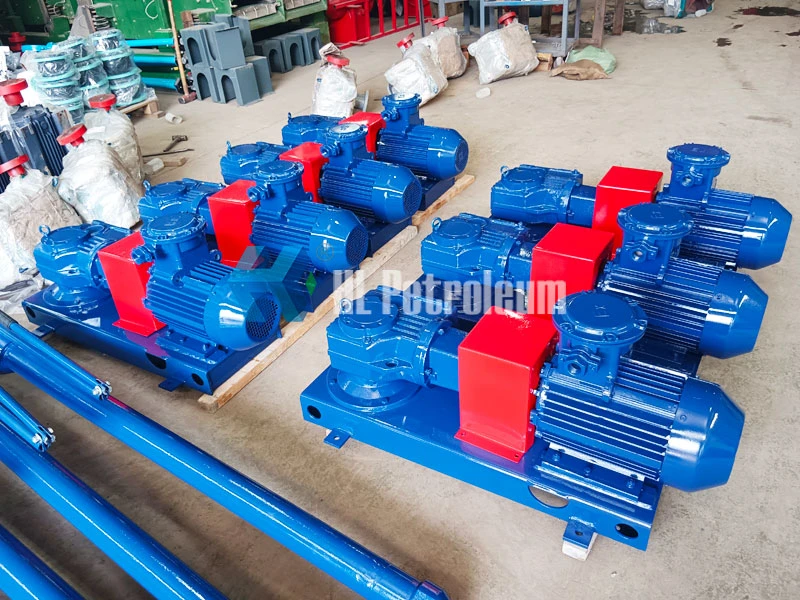
Summary of Maintenance Frequency
| Task | Frequency |
| Initial Oil Change | After first 5 days of use |
| Routine Oil Change | Every 6 months |
| Oil Level Check | Daily / Before every shift |
| Hardware Inspection | Before every machine test/start |
| Noise/Vibration Audit | Continuous during operation |
Optimize Your Drilling Performance Today
Are you looking for high-performance mud agitators or expert advice on solids control systems? Our team provides industry-leading equipment designed to withstand the harshest drilling conditions.
 Chat with Engineer