
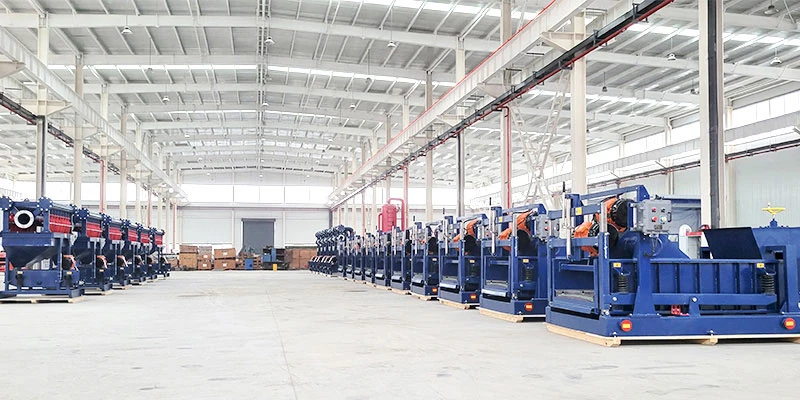
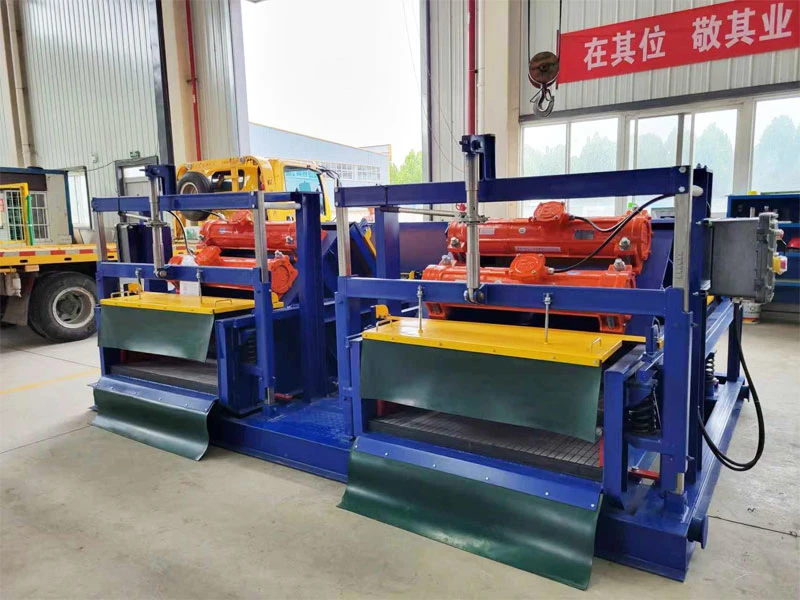
In the oil and gas drilling industry, shale shakers (also known as petroleum mud vibrating screens) are essential for separating drill cuttings from drilling fluid (mud). Efficient mud discharge ensures proper solids control, reduces waste, and maintains drilling performance. However, poor mud discharge—where mud flows slowly, pools on the screen, or fails to separate solids effectively—can lead to downtime, increased costs, and equipment wear.
This comprehensive guide outlines the main reasons for poor mud discharge in petroleum mud shale shakers and provides practical elimination methods. Addressing these issues promptly can optimize your solids control system and improve overall drilling efficiency.
Primary Reasons for Poor Mud Discharge
Poor discharge performance in shale shakers typically results from mechanical or operational issues. Here are the most common causes:
1. Single Motor Operation
Most shale shakers use dual vibration motors for balanced, high-intensity vibration. If one motor fails or stops working, the shaker loses power and balance, reducing the forward propulsion of mud and causing it to linger on the screen.
2. Incorrect Motor Rotation Direction
Vibration motors must rotate in opposite directions to create the desired linear or elliptical motion. If the steering (rotation direction) is wrong—often due to wiring errors or improper setup—the vibrations cancel each other out or push mud backward, severely impacting discharge.
3. Insufficient Screen Tension
A loosely tensioned screen sags, reducing vibration transfer and effective screening area. This leads to uneven mud flow and poor solids conveyance off the screen.
4. Excessive Sediment Buildup on the Screen
Accumulated drill cuttings, barite, or other solids can blind the mesh openings, blocking mud flow and increasing weight on the screen, which dampens vibration and hinders discharge.
5. Short Flow Length
If the screen mesh is too coarse or the shaker configuration doesn’t allow sufficient travel distance for the mud, solids separation is incomplete, and mud discharges prematurely with high solids content.
Effective Elimination Methods for Poor Mud Discharge
Quick diagnosis and corrective action can restore optimal performance. Follow these proven solutions:
1. Resolve Motor Faults
Inspect both motors for electrical, bearing, or mechanical issues. Repair or replace the faulty motor and ensure both are operational. Regular maintenance prevents recurring single-motor problems.
2. Correct Motor Rotation Direction
Adjust the phase wiring or eccentric block positions to reverse one motor’s direction (consult the manufacturer’s manual for the correct “center-table” rotation setup). This restores proper vibration mode and forward mud conveyance.
3. Properly Tension the Screen
Use the shaker’s tensioning system (bolts, wedges, or pneumatic tools) to evenly tighten the screen panels. Follow recommended torque values to avoid sagging or damage.
4. Clean Accumulated Sediment
Shut down the shaker and remove buildup using high-pressure water washes, scrapers, or approved cleaning solutions. Implement routine cleaning schedules to prevent recurrence.
5. Increase Flow Length with Finer Mesh
Replace the current screens with finer mesh (higher API number) to extend the mud’s residence time on the screen, improving separation and discharge efficiency.
Optimize Your Shale Shaker Performance Today
By understanding these causes of poor mud discharge in petroleum mud shale shakers and applying the corresponding elimination methods, you can minimize operational disruptions and enhance drilling fluid recovery. Proactive maintenance is key to long-term reliability in demanding oilfield environments.
For high-quality shale shakers, replacement screens, or expert solids control solutions, contact our team. We’re here to help you achieve peak performance in your drilling operations.
 Chat with Engineer