The drilling fluid solids control system (or solids control system) is a vital support system for oil drilling rigs. Its main function is to remove unnecessary solid particles from the drilling fluid. This maintains fluid stability, improves pump working conditions, and increases drilling efficiency.
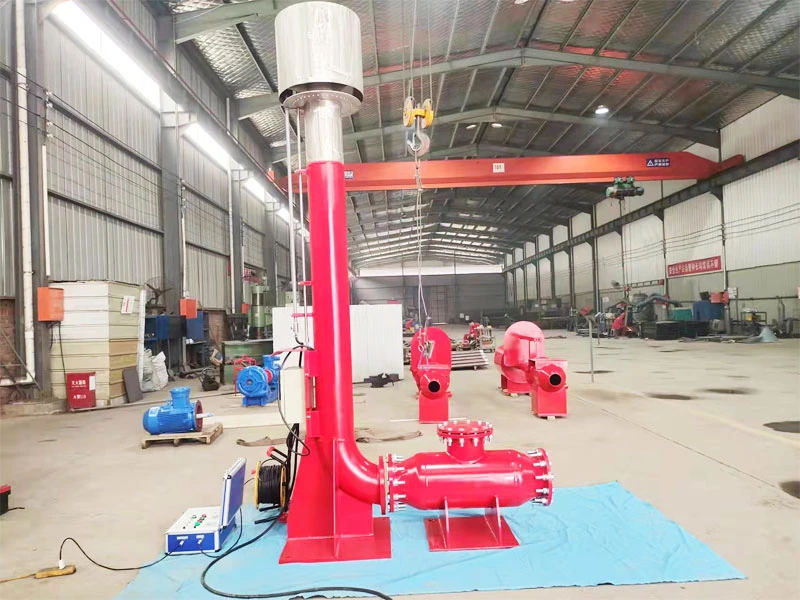
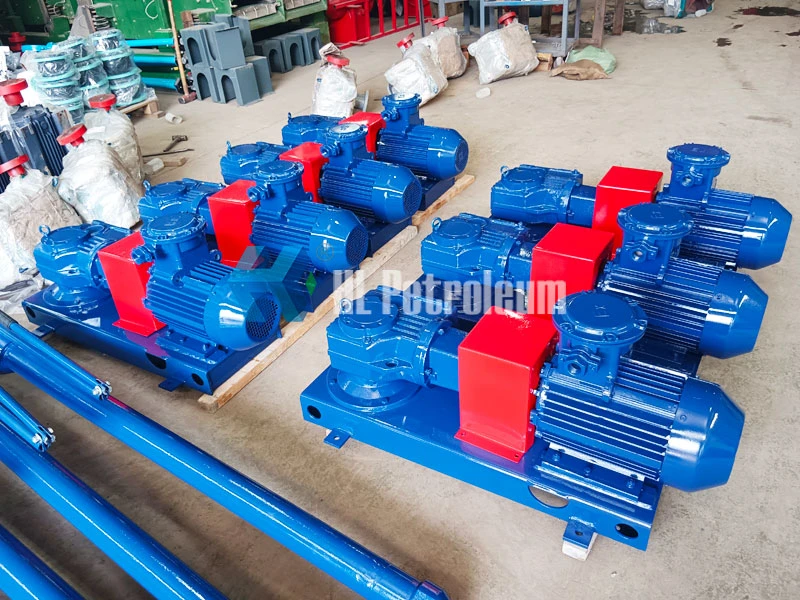
The drilling fluid solids control system mainly consists of purification equipment and circulation tanks with their delivery equipment. Key components include the shale shaker, vacuum degassers, desanders, desilters, sand pumps, mud hopper, agitators, drilling fluid guns, and auxiliary pipelines.
As an important component of the drilling rig module, the configuration and selection of equipment for the drilling fluid solids control system are becoming increasingly diversified. From a system structure perspective, the original equipment configurations can no longer meet the needs of modern drilling technology. In addition to considering drilling fluid solids control, it should also have functions such as drilling fluid preparation, delivery, purging, recovery, safety, maintenance, and redundancy design.
The drilling fluid solids control system is composed of corresponding drilling fluid purification devices, designed to meet drilling fluid purification requirements. Commonly used drilling fluid purification systems include two-stage and three-stage systems, with a maximum of five stages.
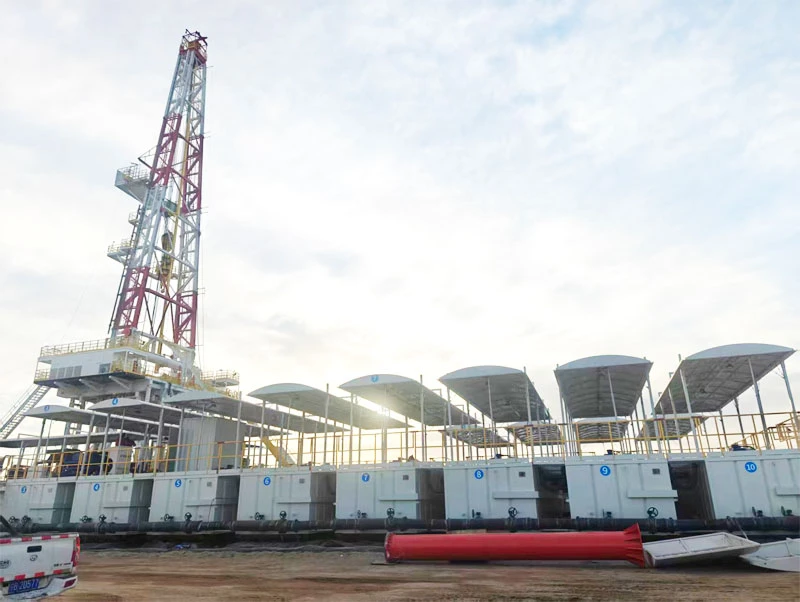
First Stage Purification (Removal of Large Particles)
The drilling fluid circulating back to the wellhead from the bottom of the well contains larger drill cuttings. The drilling fluid enters the shale shaker tank via the connecting pipeline from the wellhead. The vibrating screen separates drill cuttings larger than 74μm, completing the first stage of purification. The shale shaker’s capacity should be 100-125% of the drilling pump’s maximum total displacement. The purified drilling fluid flows from the conical tank into the next compartment.
Second and Third Stage Purification (Degassing and Removal of Larger Particles)
During the drilling process, downhole gas mixes into the drilling fluid, altering its density and affecting its ability to carry mud and sand. At this point, the degasser in the degassing chamber removes harmful gases from the drilling fluid, thereby restoring the drilling fluid density and stabilizing its viscosity. This completes the secondary purification of the drilling fluid. The sand pump then pumps the degassed drilling fluid into the desander. The desander separates smaller sand particles (40-100μm in size) from the drilling fluid, completing the desanding process, which is the tertiary purification. The processing capacity of the degasser and desander should be 100%-125% of the maximum total displacement of the drilling and merging pump.
Install the degassing chamber’s suction line in the area where the drilling fluid is fully agitated within the tank, and equip it with a filter screen. Discharge the removed gas in a directional manner. The discharge port should face downwind, and the discharge line should be a rigid pipeline, with its outlet at least 75m from the wellhead.
Quaternary Purification (Removal of Small Particles)
The drilling fluid purified by the desander enters the desilting chamber directly (or, depending on actual needs, directly from the desander into other chambers via the drilling fluid tank). In the desilting chamber, the desilting pump draws the drilling fluid in and separates tiny particles (12-74 μm in size) ,thereby completing the fourth stage of purification. The system then transports the purified drilling fluid directly to the centrifugal separator via pipeline. The desilting pump’s capacity should be 100% to 125% of the drilling pump’s maximum total discharge capacity.
When designing the desander and desilting pump, the inlet and outlet pipelines should be short and straight. The overflow discharge outlet should be above the tank’s highest liquid level. The suction pipeline inlet needs a filter screen.
Five-Stage Purification (Particulate Removal)
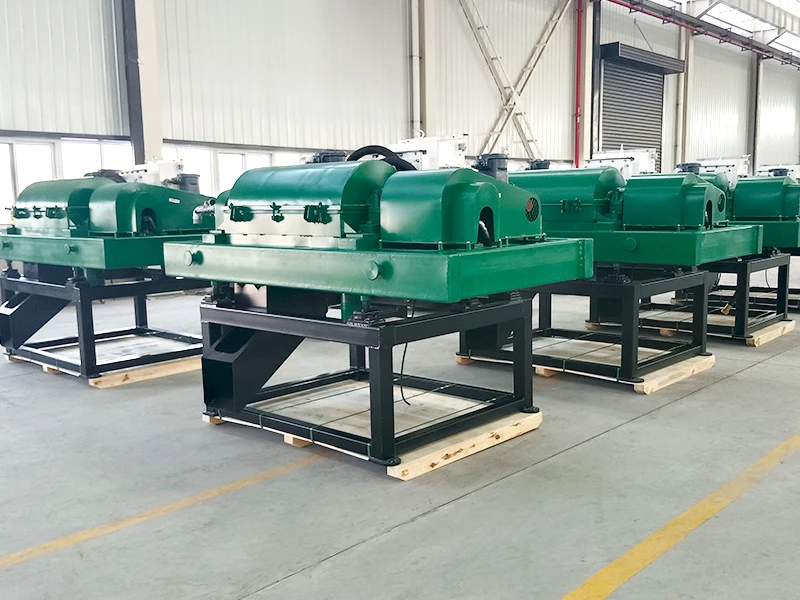
A centrifuge is installed in the centrifugal separation chamber. Drilling fluid is fed into the centrifuge by a screw pump. The centrifuge separates smaller particles (2-15μm in size), which is the fifth-stage purification. The purified drilling fluid then enters the circulation tank via a drilling fluid tank. The centrifuge’s throughput should be 5%-10% of the drilling pump’s maximum total displacement.
For complex well conditions and those with high requirements, the drilling operation utilizes the performance of all five stages of purification. Depending on actual needs, the operation may also employ one or more stages of purification.
The rationality and scientific nature of the solids control system configuration directly affects drilling efficiency. A properly designed and selected system can greatly improve drilling efficiency in actual operation.