What Is a Drilling Mud Solids Control System?
A drilling mud solids control system is a critical part of modern oil and gas drilling operations. Its main purpose is to remove harmful solids from drilling fluids and maintain stable drilling mud performance throughout the drilling process.
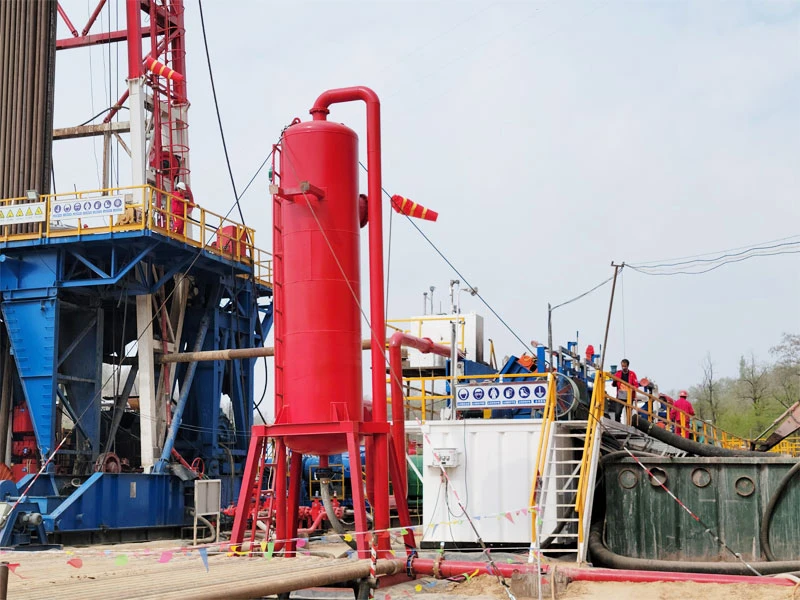
A complete drilling mud solids control system typically includes several key pieces of equipment, such as shale shakers, vacuum degassers, desanders, desilters, and decanter centrifuges. In addition, auxiliary equipment like mud agitators, sand pumps, jet mud mixers, and mud hoppers are used to support the circulation and mixing of drilling fluids.
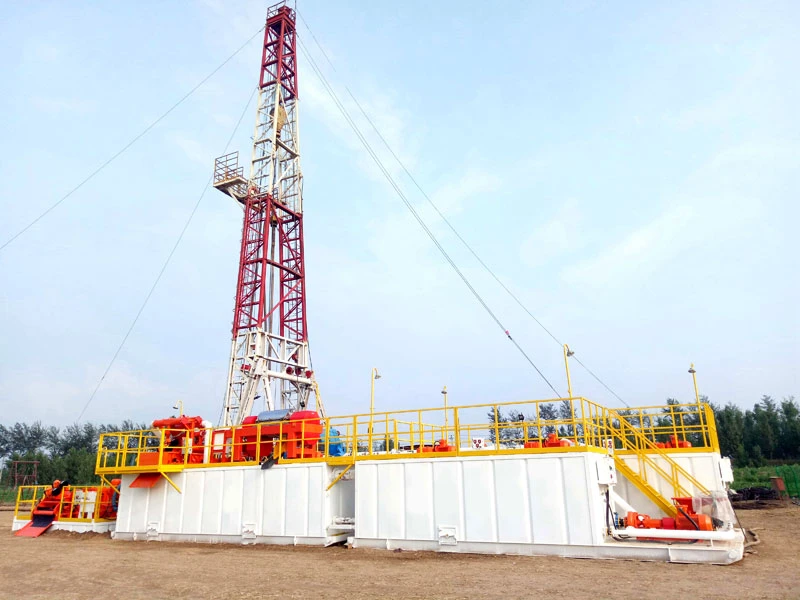
These components are usually installed on sealed mud tanks to form an integrated drilling fluid processing system. By continuously removing drill cuttings and solid particles from the drilling fluid, the system helps maintain optimal mud properties such as viscosity, density, and solids content.
Why Solids Control Equipment Is Essential in Drilling Operations
During drilling operations, drilling fluid circulates from the mud tank down the drill string and returns to the surface carrying drill cuttings and formation solids. Failing to properly remove these solids allows them to accumulate quickly, which negatively affects drilling performance.
Without an effective solids control system, drilling operations may experience:
- Reduced drilling efficiency
- Increased wear on drilling equipment
- Poor drilling fluid performance
- Higher risk of wellbore instability
- Increased drilling costs
By using a multi-stage separation process, solids control equipment removes particles of different sizes step by step. Cleaned drilling mud can then be reused in the circulation system, reducing waste and lowering operational costs.
Main Equipment Used in a Solids Control System
A typical oilfield solids control system consists of several types of equipment that work together to remove solids of different particle sizes.
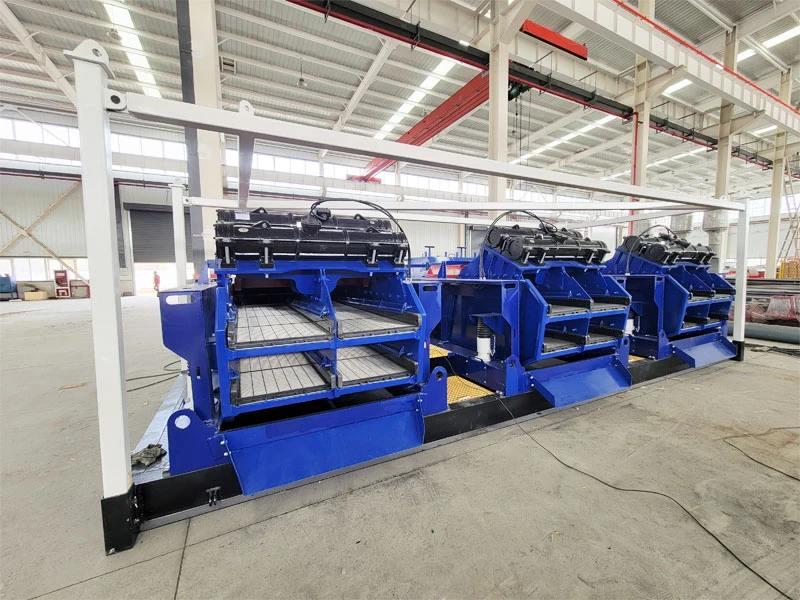
Shale Shaker
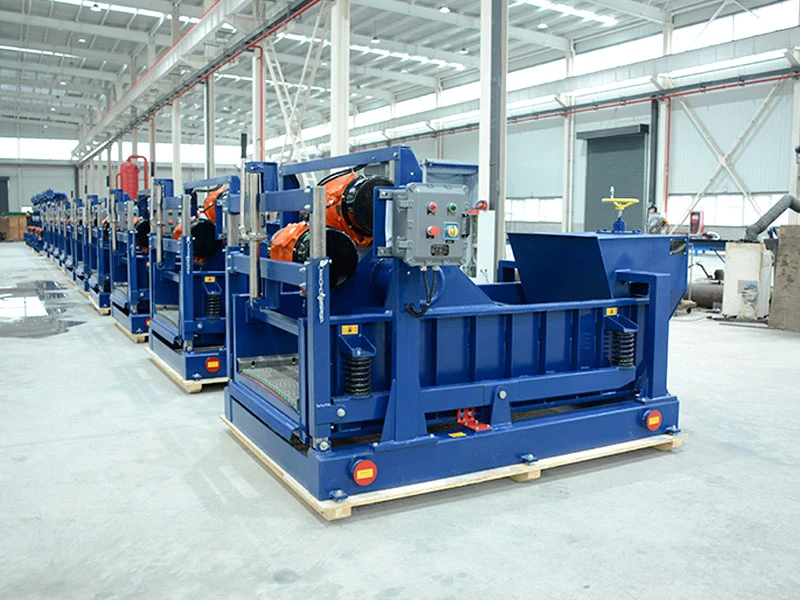
The shale shaker is the first stage of the solids control process. It uses vibrating screens to separate large drill cuttings from the drilling fluid. This step is extremely important because it protects downstream equipment from excessive solids load.
Desander
The desander is designed to remove medium-sized particles, typically between 40 and 70 microns. It uses hydrocyclone technology to separate solids from the drilling fluid through centrifugal force.
Desilter
The desilter removes smaller particles that pass through the desander stage. It helps maintain proper drilling mud properties and prevents excessive fine solids accumulation.
Decanter Centrifuge
The decanter centrifuge is used to remove ultra-fine solids from the drilling fluid. It is one of the most important pieces of equipment in advanced drilling fluid processing systems.
Supporting Equipment
Several auxiliary devices are required to ensure the smooth operation of the solids control system, including:
- Mud agitators to prevent solids settling
- Sand pumps to transport drilling fluids
- Jet mud mixing systems for mixing drilling chemicals
- Mud tanks for drilling fluid storage and circulation
Together, these components form a highly efficient drilling fluid solids control system.
Safe and Efficient Operation of Solids Control Equipment
To ensure stable drilling performance and long equipment life, solids control systems must follow safe and efficient operating principles.
Proper Equipment Selection
Different drilling conditions require different solids control configurations. Factors such as drilling depth, formation type, and drilling fluid properties should be considered when selecting solids control equipment.
Correct System Design
A well-designed solids control system ensures smooth drilling fluid flow between different processing stages. Proper equipment layout improves separation efficiency and reduces energy consumption.
Regular Maintenance
Routine inspection and maintenance of screens, hydrocyclones, pumps, and centrifuges are necessary to maintain stable system performance.
Monitoring Drilling Mud Properties
Operators must continuously monitor drilling fluid properties such as density, viscosity, and solids content. The crew can make adjustments through the mud mixing system to maintain optimal drilling fluid performance.
Advantages of a High-Quality Solids Control System
Using a well-designed drilling mud solids control system provides several operational and economic benefits:
- Improved drilling efficiency
- Reduced drilling fluid consumption
- Lower maintenance costs
- Better wellbore stability
- Protection of oil and gas reservoirs
- Reduced environmental impact
Both large skid-mounted drilling rigs and mobile truck-mounted rigs rely heavily on solids control equipment to ensure safe and efficient drilling operations.
FAQ About Drilling Mud Solids Control Systems
What is the purpose of solids control equipment in drilling?
The main purpose of solids control equipment is to remove harmful solid particles from drilling fluids and maintain optimal drilling mud performance. This helps improve drilling efficiency and reduce drilling costs.
What are the main components of a solids control system?
The main equipment includes shale shakers, desanders, desilters, decanter centrifuges, mud tanks, mud agitators, sand pumps, and jet mud mixing systems.
Why is drilling mud important in drilling operations?
Drilling mud performs several critical functions, including cooling the drill bit, carrying drill cuttings to the surface, maintaining wellbore stability, and controlling formation pressure.
How does a decanter centrifuge work in solids control?
A decanter centrifuge uses high-speed rotation to generate centrifugal force, which separates fine solids from drilling fluids. This process helps control the solids content of the drilling mud.