Designing an efficient mud tank system is critical for the performance of any drilling operation. A well-designed system ensures proper drilling fluid circulation, solids control efficiency, and overall operational safety. In this guide, we’ll walk you through the key considerations, components, and best practices for designing a high-performance mud tank system.
What Is a Mud Tank System?
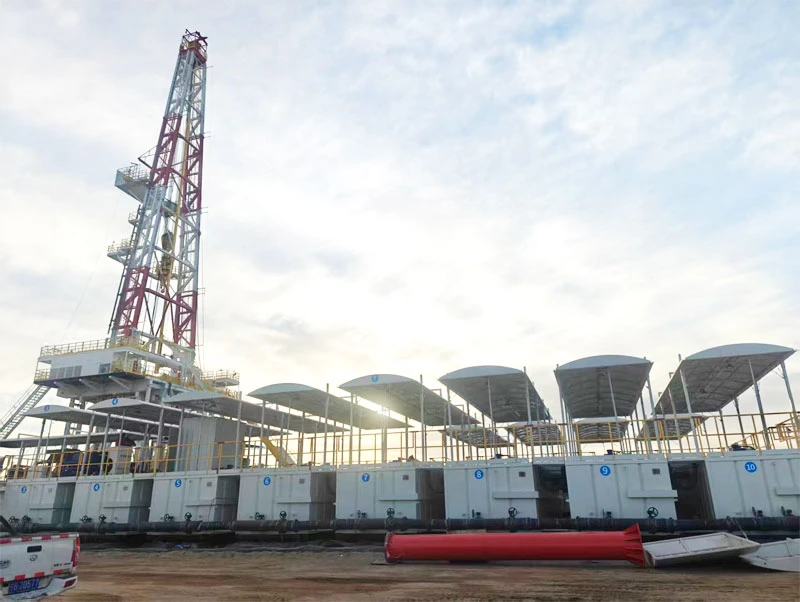
A mud tank system is an integrated part of the drilling fluid circulation system used in oil and gas drilling or HDD (Horizontal Directional Drilling). It is designed to store, mix, and process drilling fluids (mud) while separating harmful solids.
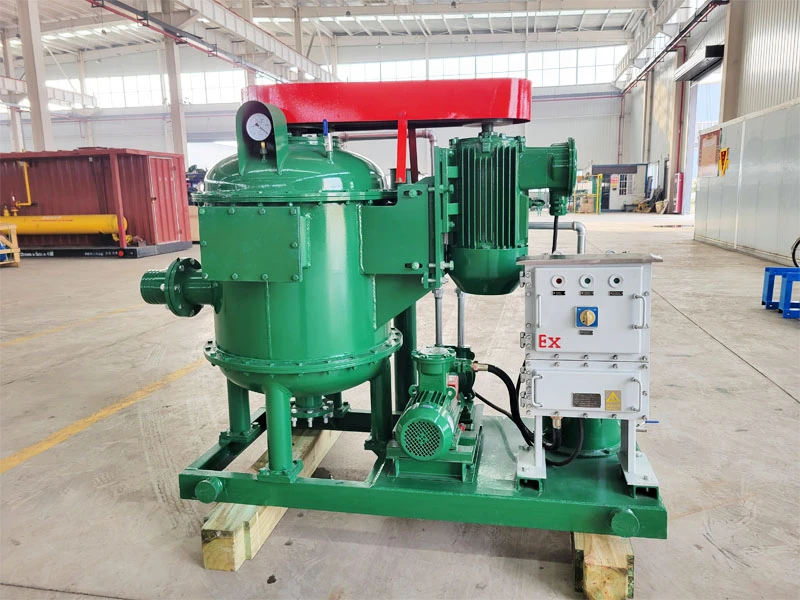
The system typically works alongside solids control equipment such as shale shakers, desanders, desilters, and centrifuges.
Key Factors in Mud Tank System Design
1. Determine Tank Capacity
The first step in designing a mud tank system is calculating the required capacity.
- Based on drilling rig size (e.g., 500HP, 1000HP, 2000HP)
- Well depth and hole size
- Circulation volume requirements
Example:
- 500 BBL ≈ 80 m³ mud tank capacity
Always include a safety margin (usually 10–20%) to handle unexpected conditions.
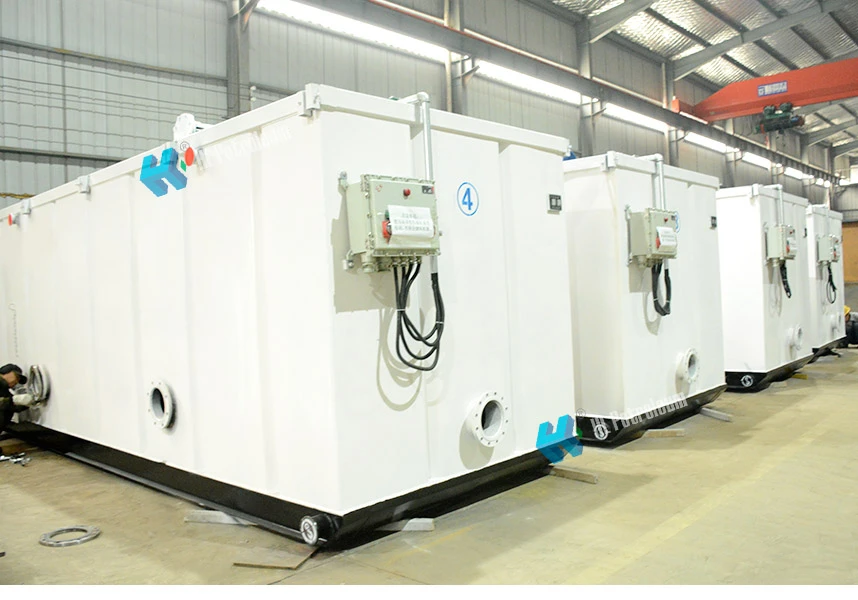
2. Tank Structure & Compartment Design
A mud tank is typically divided into multiple compartments:
- Shale shaker tank (primary solids removal)
- Desander/desilter tank
- Intermediate tank
- Suction tank (clean mud storage)
Each compartment plays a role in progressive solids removal and fluid conditioning.
Design Tips:
- Use internal baffles to prevent fluid turbulence
- Ensure proper overflow and underflow channels
- Optimize flow path for efficient solids separation
3. Solids Control Equipment Layout
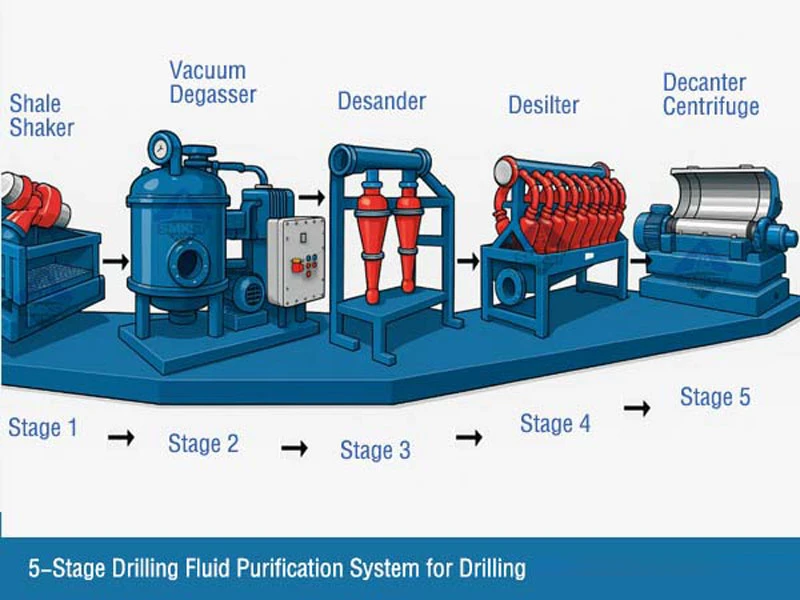
Proper placement of solids control equipment is essential:
- Shale shaker → First stage
- Desander → Removes coarse particles (40–70 microns)
- Desilter → Removes fine particles (15–40 microns)
- Centrifuge → Ultra-fine solids removal
Ensure a logical flow sequence to maximize efficiency and reduce load on downstream equipment.
4. Mud Mixing System Design
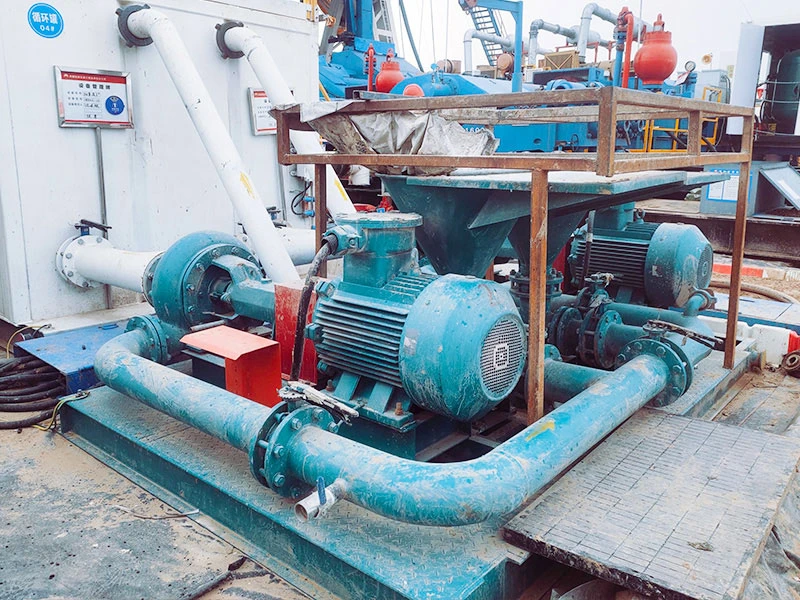
A good mud tank system must include an efficient mixing system:
- Drilling mud mixer
- Venturi hopper
- Mixing pumps
Key considerations:
- Fast chemical mixing
- Uniform fluid properties
- Easy operation and maintenance
5. Agitation System
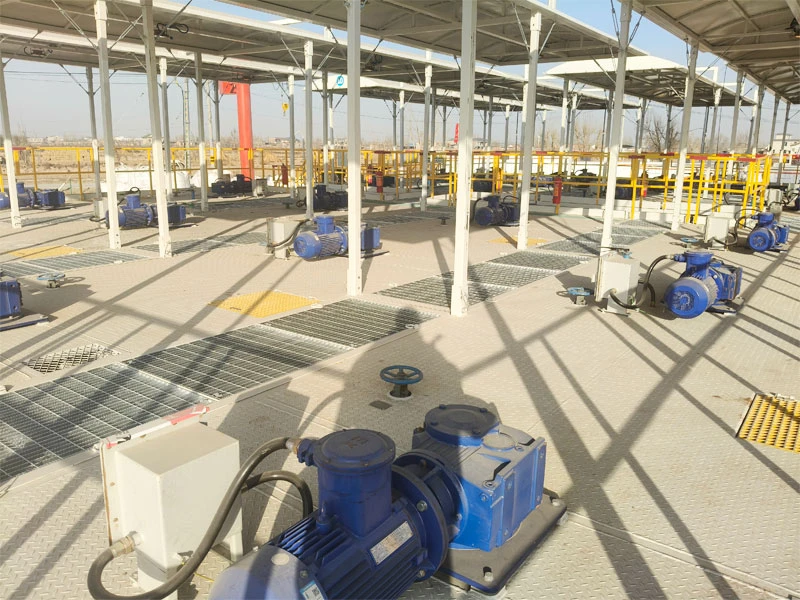
Mud agitators prevent solids from settling in the tank.
- Select proper power (e.g., 7.5 kW, 11 kW, 15 kW)
- Install evenly across compartments
- Consider mud density and viscosity
6. Pump Configuration
Mud tanks require multiple pumps:
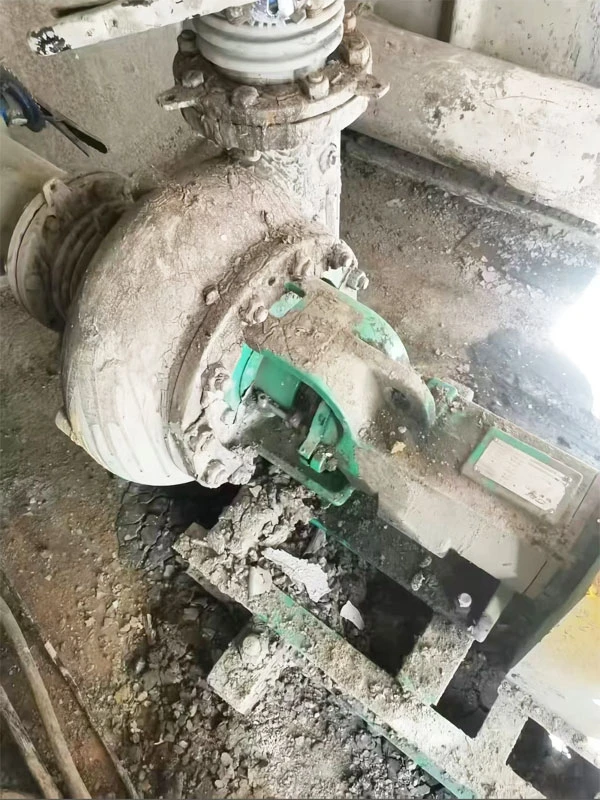
- Centrifugal pumps (for transfer and mixing)
- Triplex mud pumps (for drilling)
Design tips:
- Ensure proper suction line design
- Avoid cavitation
- Provide backup pumps for redundancy
7. Piping & Manifold System
Efficient piping design improves system performance:
- Use corrosion-resistant materials
- Minimize sharp bends to reduce pressure loss
- Include valves for flexible flow control
8. Safety & Environmental Considerations
Modern mud tank systems must meet safety and environmental standards:
- Anti-slip walkways and handrails
- Explosion-proof electrical components
- Waste management system integration
- Leak prevention design
9. Mobility & Modular Design
For drilling contractors, modular mud tank systems are preferred:
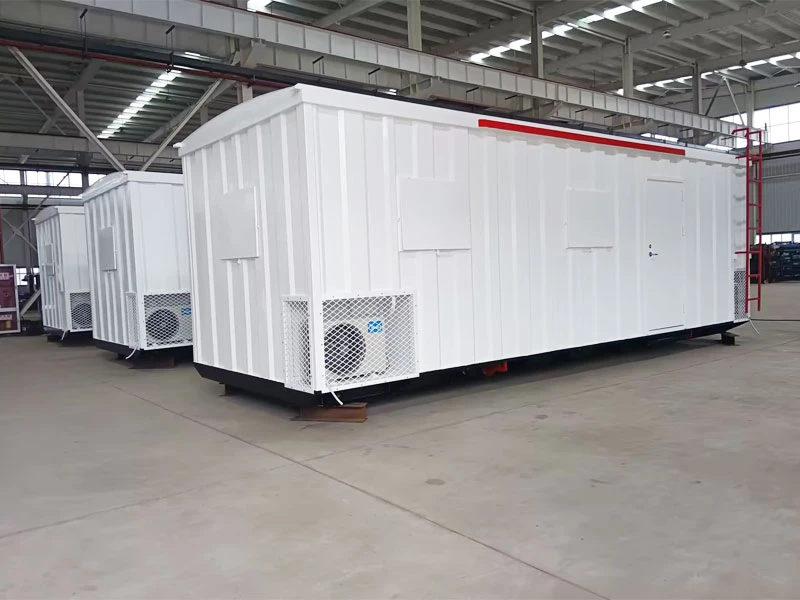
- Easy transportation
- Quick installation and dismantling
- Skid-mounted or trailer-mounted options
Best Practices for Mud Tank System Design
- Follow API standards for oilfield equipment
- Optimize layout for limited rig space
- Ensure easy maintenance access
- Use high-quality coatings for corrosion protection
- Design for future expansion
Common Mistakes to Avoid
- Undersized tank capacity
- Poor compartment design
- Incorrect equipment sequencing
- Inadequate mixing capability
- Ignoring maintenance accessibility
Conclusion
Designing a mud tank system requires a balance between efficiency, safety, and cost. By carefully considering tank capacity, compartment layout, solids control equipment, and mixing systems, you can build a reliable and high-performance system that meets modern drilling requirements.
Whether for oil & gas drilling or HDD projects, a well-designed mud tank system will significantly improve drilling efficiency and reduce operational costs.
FAQ
1. What is the ideal mud tank capacity?
It depends on the rig size and drilling depth, but typically ranges from 200 BBL to 2000 BBL.
2. How many compartments should a mud tank have?
Most systems use 3–5 compartments for effective solids control and fluid management.
3. Why is agitation important in mud tanks?
Agitation prevents solids from settling and maintains uniform mud properties.
4. Can mud tank systems be customized?
Yes, most manufacturers offer fully customized designs based on project requirements.