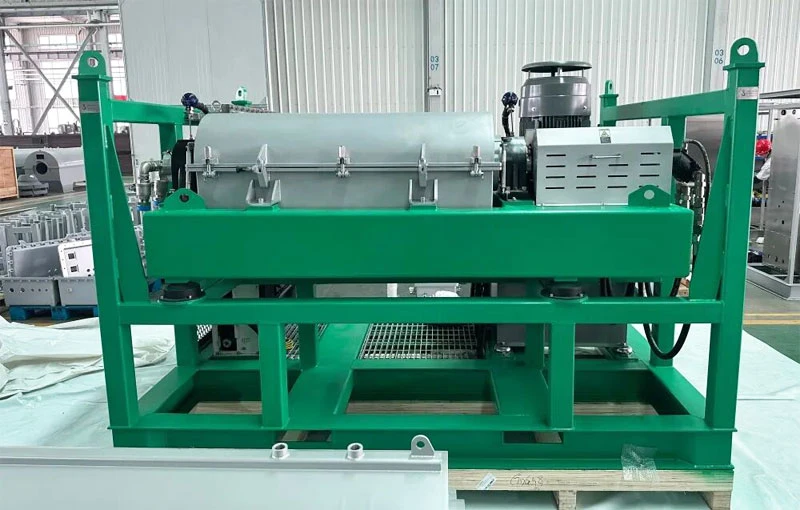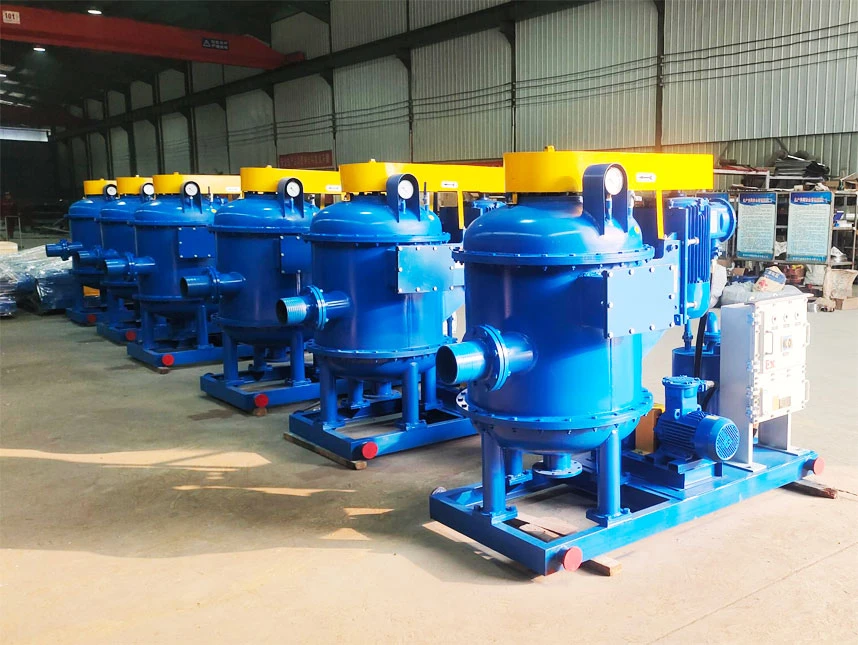
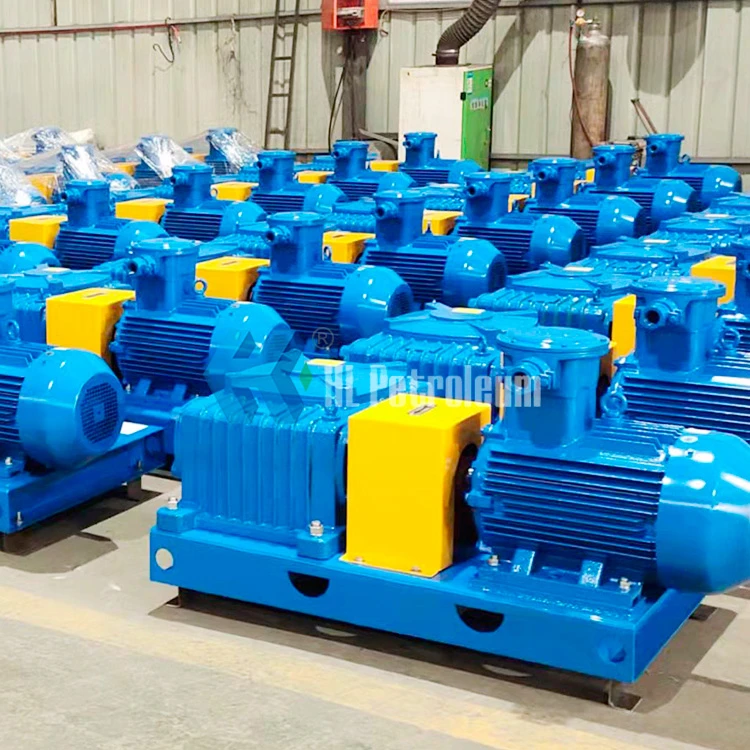
Mud tank agitator oil rig is crucial for maintaining the uniformity of drilling fluid in surface tanks. They typically consist of several key components: a drive motor, gearbox, output shaft, and impeller. The primary goals of an effective agitator system are to ensure uniform solids suspension, proper shear application, and economical power usage.
Motor Specifications
Most mud tank agitator oil rig uses explosion-proof motors to meet safety standards. These motors can mount horizontally or vertically and connect to a gear reducer that drives the impeller shaft. The designers carefully position the impeller to optimize performance, typically locating it 18 to 30 cm above the tank bottom.
Impeller Design and Function
Impellers convert mechanical energy into fluid motion and are crucial for both pumping and shearing capabilities. Impeller design can significantly impact its efficiency in these areas. Key factors influencing shear rate include impeller design, tip speed, and fluid characteristics.
Impeller Types
Radial flow impellers: These impellers, positioned vertically, create horizontal fluid motion within the tank.
Axial flow impellers: These impellers are positioned at an angle to the tank bottom, drawing fluid from the top and pushing it downward.
Contoured Impellers: Utilizing a variable pitch design, they promote radial and axial flow, but may generate less shear than conventional designs.
Gearbox Types
Gearboxes for mud agitators are generally classified into two categories: worm/roller and helical/bevel gear types. While both types are effective, helical/bevel gearboxes are often preferred for larger applications due to their higher efficiency.
Shaft Types
Mud agitators utilize either solid or hollow shafts, with carbon steel being a common material. Hollow shafts are advantageous for deep tanks because they reduce deflection and allow for longer lengths without compromising stability.
Maintenance Considerations
Regular maintenance is essential to extending the life of a mud agitator. Key wear components include bearings and seals, which should be inspected regularly to avoid costly repairs.