
In modern oil and gas drilling operations, efficient drilling fluid management is essential for maintaining wellbore stability, reducing operational costs, and improving drilling efficiency. One of the most important systems used in drilling fluid processing is the solids control system. High-quality solids control equipment helps drilling contractors remove harmful solids from drilling mud, recycle expensive drilling fluids, and ensure smooth drilling performance under complex field conditions.
Whether used in onshore oil drilling, offshore platforms, HDD projects, geothermal drilling, or CBM exploration, solids control equipment plays a critical role in the entire drilling process.
This complete guide explains everything you need to know about solids control equipment, including system components, working principles, applications, technical specifications, advantages, and how to choose the right equipment for your drilling project.
What Is Solids Control Equipment?
Solids control equipment refers to a series of mechanical processing devices designed to separate and remove drilled solids from drilling fluids during oil and gas drilling operations.
The main purpose of a solids control system is to:
- Maintain drilling fluid performance
- Control mud density and viscosity
- Reduce waste discharge
- Extend drilling fluid service life
- Protect downstream equipment
- Lower drilling costs
- Improve drilling efficiency
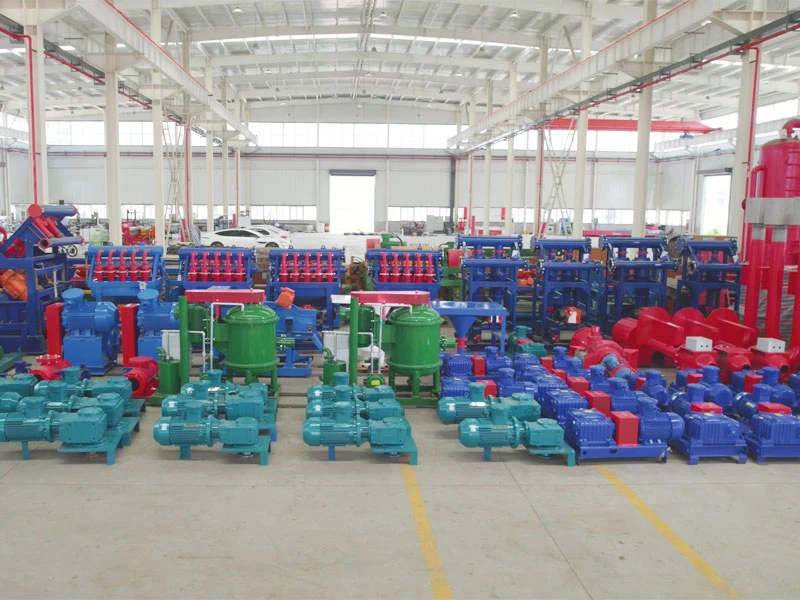
A complete drilling mud system usually includes several stages of separation equipment working together to process drilling mud continuously.
Common solids control equipment includes:
-
- Shale shaker
- Mud cleaner
- Desander
- Desilter
- Decanter centrifuge
- Vacuum degasser
- Mud agitator
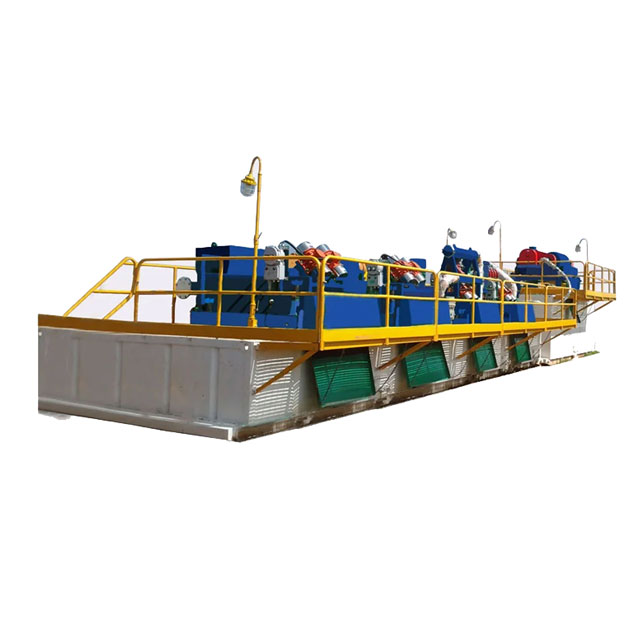
- Mud tank
- Mud mixing hopper
- Centrifugal pump
- Jet mud mixer
- Vertical cuttings dryer
These systems are widely used in both API standard drilling rigs and customized drilling fluid recycling systems.
Why Solids Control Equipment Is Important in Drilling Operations
During drilling, large amounts of rock cuttings enter the drilling fluid circulation system. If these solids are not removed effectively, they can negatively affect drilling performance and increase operational risks.
Poor solids control may lead to:
- Higher mud consumption
- Reduced penetration rate
- Excessive equipment wear
- Pump damage
- Bit wear
- Increased non-productive time
- Wellbore instability
- Environmental pollution
Efficient drilling solids control equipment helps drilling companies maintain optimal drilling fluid properties while minimizing waste and operational costs.
For modern high-performance drilling operations, solids control systems are no longer optional equipment—they are essential components of every drilling rig.
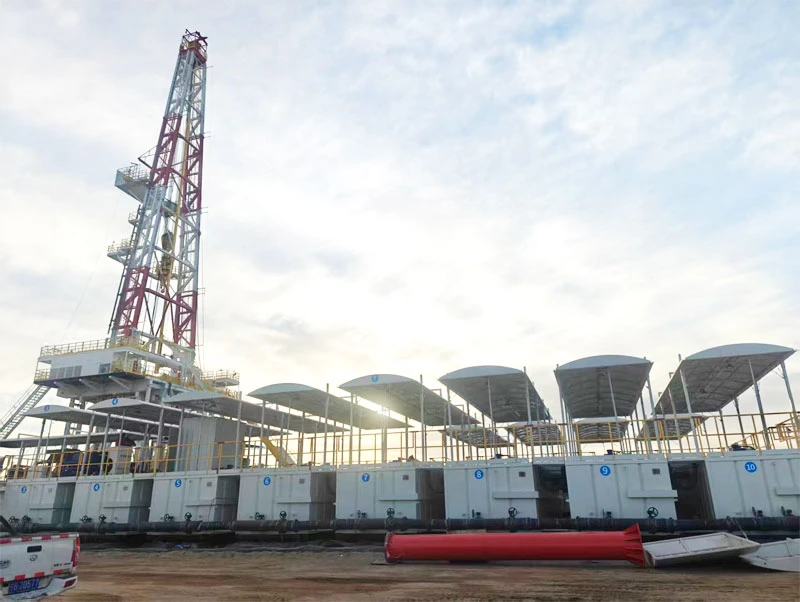
Main Components of a Solids Control System
Shale Shaker
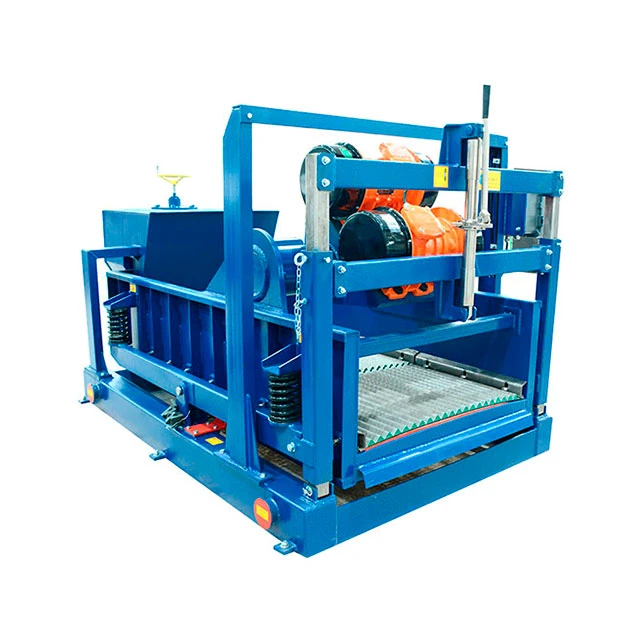
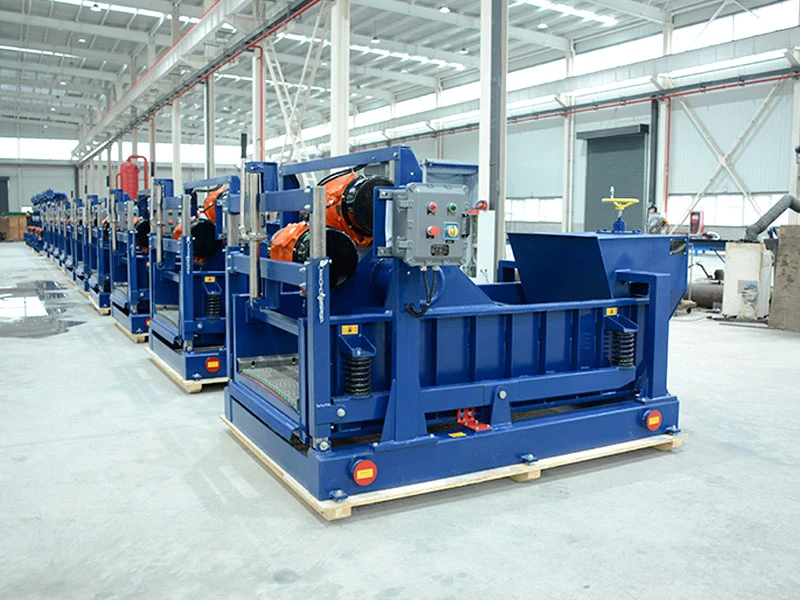
The shale shaker is the first-stage solids control equipment in the drilling fluid processing system.
It uses vibrating screens to separate large drill cuttings from the drilling mud. The performance of the shale shaker directly affects the efficiency of downstream equipment.
Key Features
- High G-force vibration
- Composite shaker screens
- Linear motion or elliptical motion
- Adjustable screen angle
- Large processing capacity
Typical Applications
- Oil and gas drilling
- HDD drilling
- Water well drilling
- Geothermal drilling
Mud Cleaner
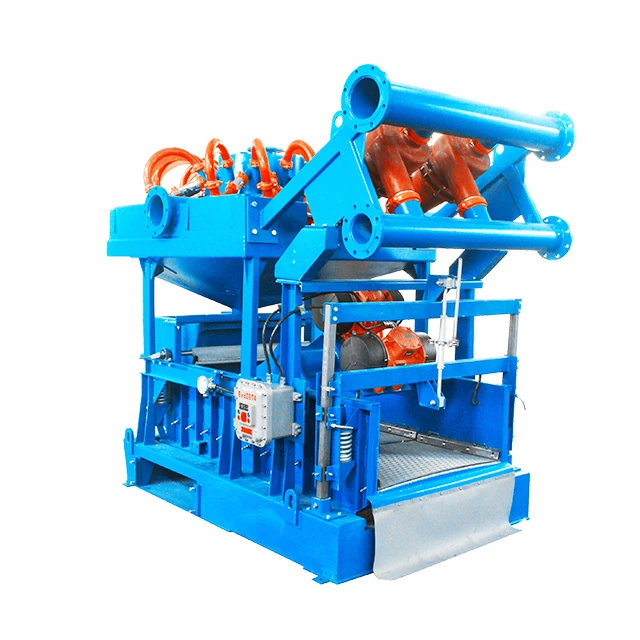
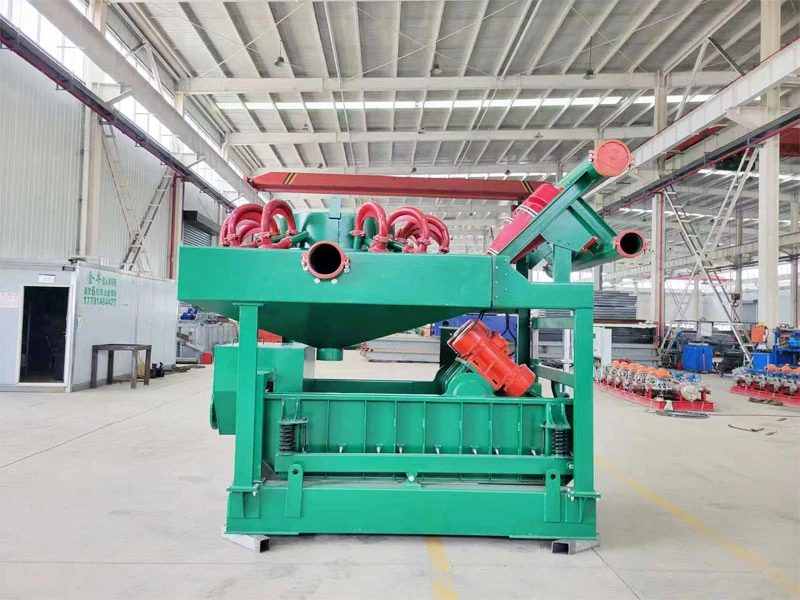
A mud cleaner combines a desander, desilter, and shale shaker into one compact unit.
It removes medium and fine solids from drilling mud while recovering usable drilling fluid.
Benefits
- Compact structure
- Reduced footprint
- Improved solids separation efficiency
- Lower drilling fluid loss
Mud cleaners are commonly used in medium-depth and deep drilling projects.
Desander
The drilling mud desander removes abrasive solids particles, usually in the range of 40–100 microns, using hydrocyclone technology.
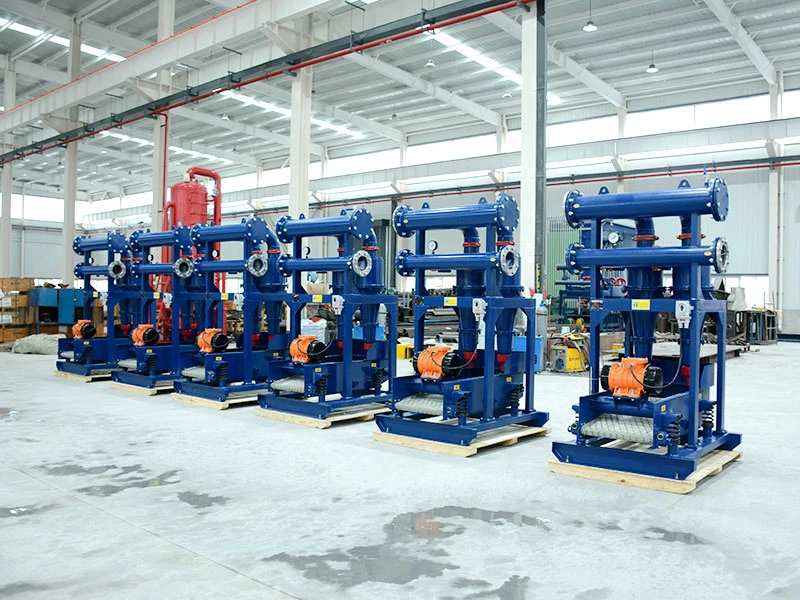
Working Principle
Drilling fluid enters the hydrocyclone at high pressure. Centrifugal force separates heavier solids from the fluid.
Advantages
- No moving parts
- High separation efficiency
- Low maintenance
- Energy efficient
Desilter
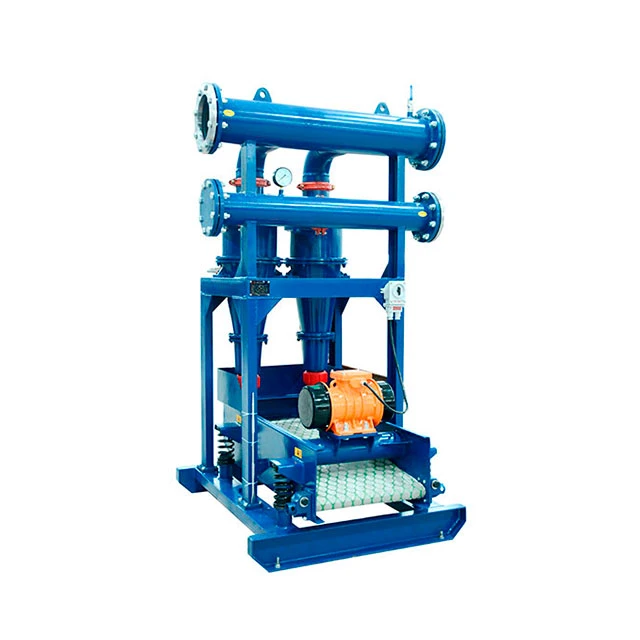
The solids control desilter is designed to remove smaller particles, generally between 15–45 microns.
It is normally installed after the desander stage to improve drilling fluid quality further.
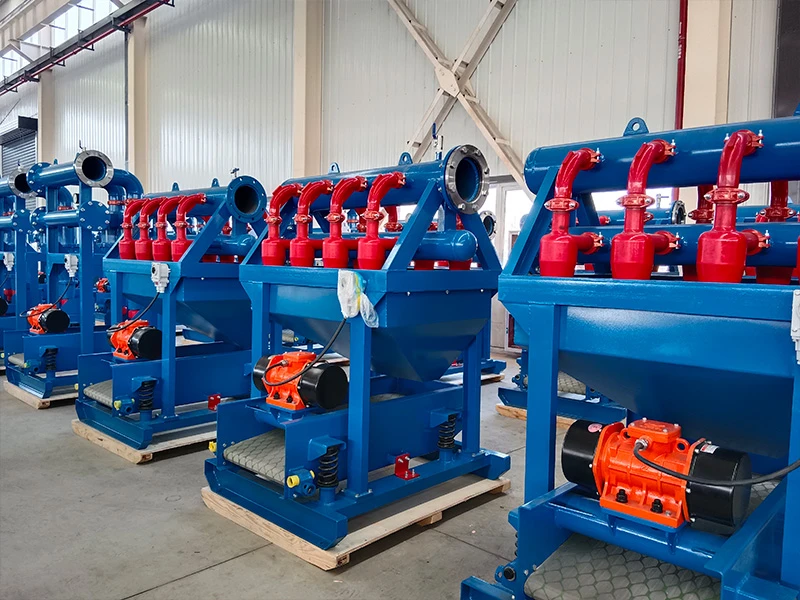
Typical Configuration
- 8 to 16 hydrocyclones
- Compact skid-mounted structure
- Stainless steel or polyurethane cones
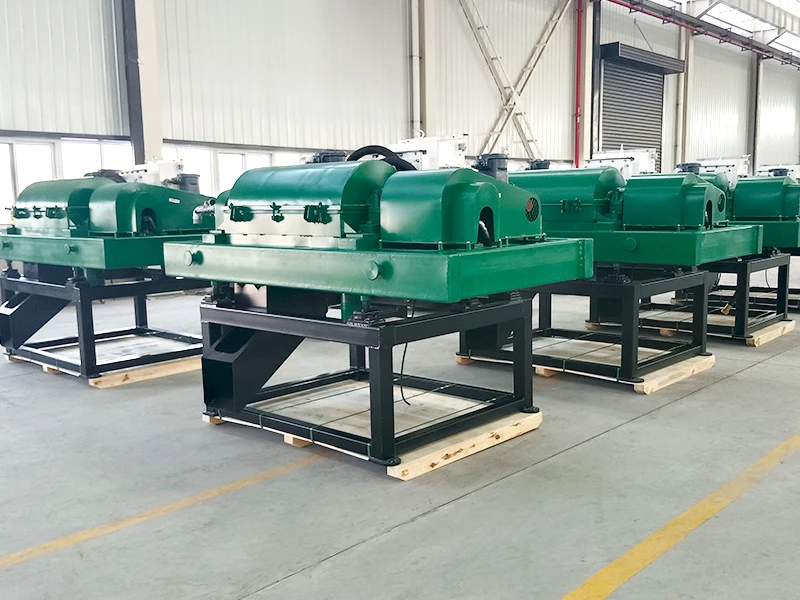
Decanter Centrifuge
A solids control centrifuge is used for ultra-fine solids separation.
It uses high-speed centrifugal force to separate low-gravity solids from drilling mud.
Main Functions
- Reduce mud weight
- Recover expensive drilling fluid
- Improve mud properties
- Minimize waste disposal
Typical Industries
- Oilfield drilling
- Waste management
- Tunneling
- Industrial slurry treatment
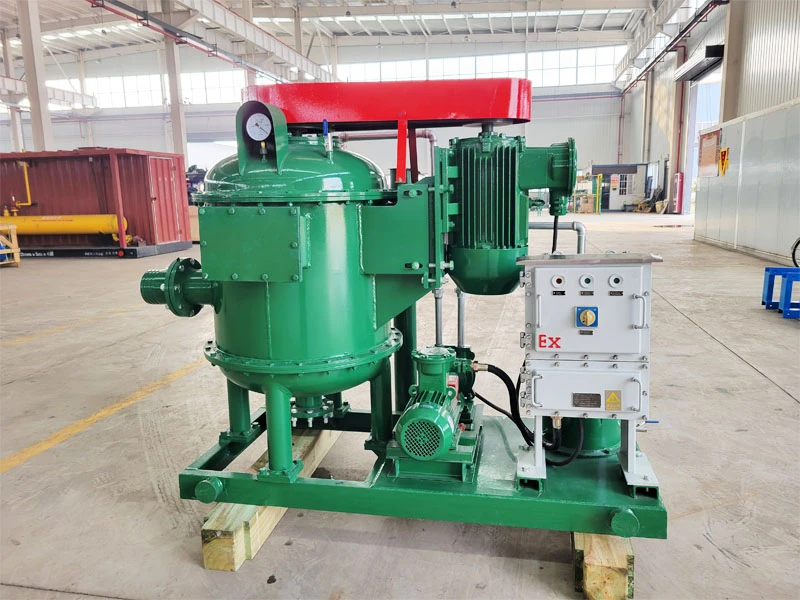
Vacuum Degasser
A vacuum degasser removes harmful gas bubbles from drilling fluids.
Gas-contaminated mud can reduce pump efficiency and create safety risks during drilling operations.
Advantages
- Stabilizes mud density
- Prevents gas-cut mud problems
- Improves circulation efficiency
Mud Agitator
Mud agitators prevent solids settlement inside mud tanks.
They maintain uniform drilling fluid consistency during circulation and storage.
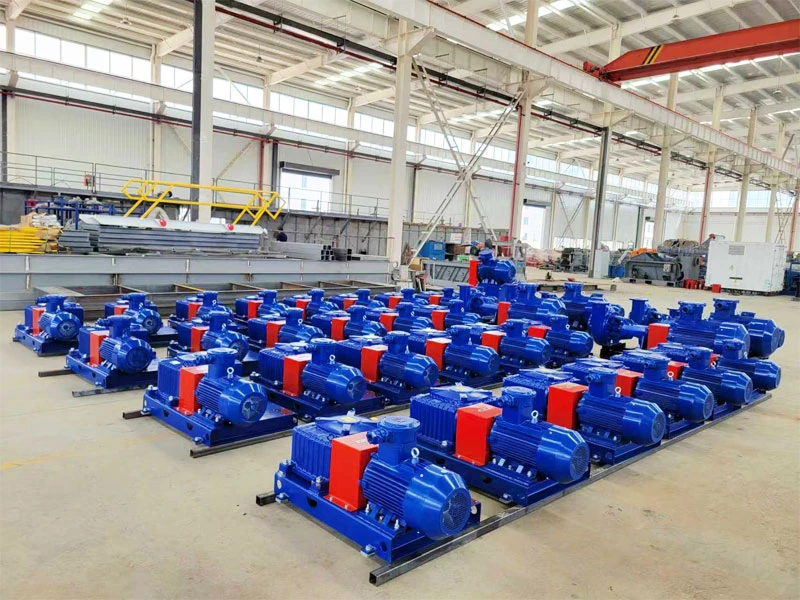
Common Features
- Explosion-proof motor
- Heavy-duty gearbox
- Adjustable impeller size
Mud Tank
Mud tanks are used for mud storage, mixing, circulation, and treatment.
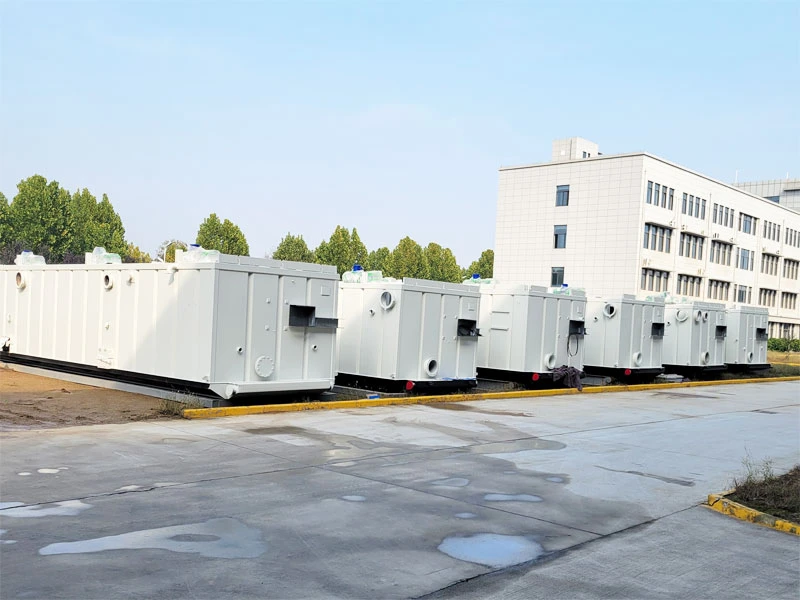
A drilling mud tank system may include:
- Mixing tanks
- Suction tanks
- Reserve tanks
- Trip tanks
Optional Accessories
- Walkways
- Handrails
- Lighting systems
- Heating systems
- Level indicators
Mud Mixing Hopper
A mud hopper is used for fast and uniform mixing of drilling fluid additives.
It works together with centrifugal pumps and jet mud mixers.
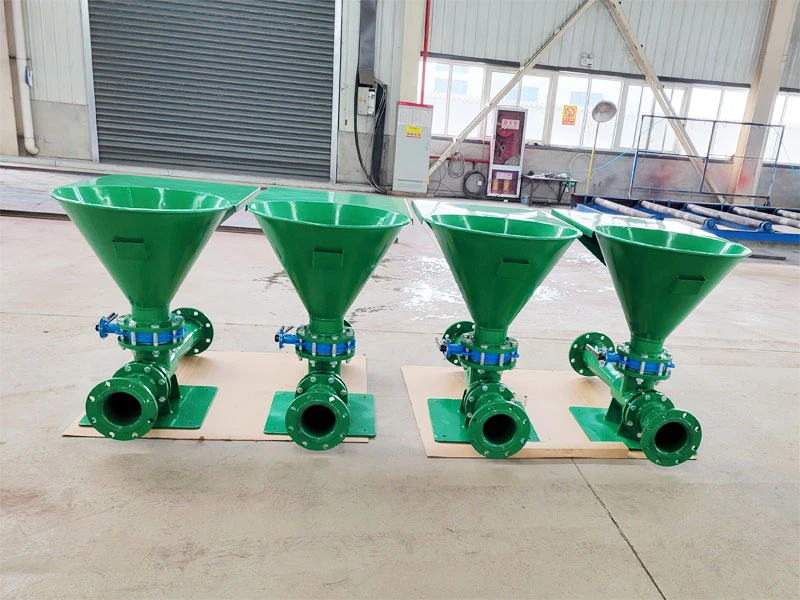
Common Applications
- Bentonite mixing
- Polymer preparation
- Chemical additives mixing
Centrifugal Pump
Centrifugal pumps transport drilling fluid between various solids control equipment.
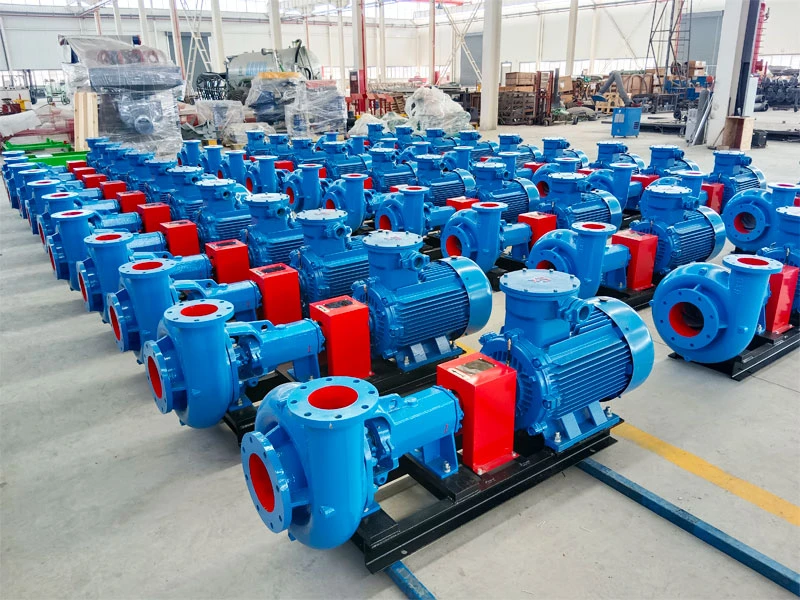
They are widely used as:
- Desander feed pumps
- Desilter feed pumps
- Mud mixing pumps
- Transfer pumps
Key Advantages
- Stable performance
- Easy maintenance
- High flow capacity
Working Principle of Solids Control Equipment
A drilling solids control system works as a multi-stage separation process.
Each stage removes solids of different particle sizes.
Stage 1: Coarse Solids Removal
The shale shaker removes large drill cuttings from the returning drilling fluid.
Particle size:
- Above 74 microns
Stage 2: Medium Solids Removal
The desander removes medium-sized abrasive particles.
Particle size:
- 40–100 microns
Stage 3: Fine Solids Removal
The desilter removes finer solids.
Particle size:
- 15–45 microns
Stage 4: Ultra-Fine Solids Separation
The decanter centrifuge removes ultra-fine low-gravity solids.
Particle size:
- 2–7 microns
Stage 5: Mud Mixing and Storage
Cleaned drilling fluid returns to the mud tanks for reuse.
Mud agitators and mud guns maintain proper mud consistency before recirculation into the well.
Technical Parameters of Solids Control Equipment
| Equipment | Capacity | Power | Separation Size |
|---|---|---|---|
| Shale Shaker | 108–166 m³/h | 1.5–2.5 kW | >74 μm |
| Desander | 50–240 m³/h | 0.5–0.75 kW | 40–100 μm |
| Desilter | 160–320 m³/h | 0.5–0.75 kW | 15–45 μm |
| Mud Cleaner | 240–360 m³/h | 45–55 kW | 15–74 μm |
| Decanter Centrifuge | 30–60 m³/h | 15–45 kW | 2–7 μm |
| Vacuum Degasser | 240–360 m³/h | 15–37 kW | Gas removal |
| Mud Agitator | Tank dependent | 5.5–22 kW | Mixing function |
Technical specifications may vary depending on drilling depth, mud system, and customer requirements.
Applications of Solids Control Equipment
Oil and Gas Drilling
Solids control systems are essential in:
- Land drilling rigs
- Offshore drilling platforms
- Deep well drilling
- Directional drilling
They help maintain drilling fluid quality while reducing operational costs.
HDD (Horizontal Directional Drilling)
HDD contractors use compact mud recycling systems to:
- Recycle drilling fluid
- Reduce freshwater consumption
- Minimize waste transportation
Geothermal Drilling
Geothermal wells often generate high-temperature drilling fluids with abrasive solids.
Efficient solids control equipment improves system reliability and drilling efficiency.
CBM and Water Well Drilling
Compact solids control systems help improve drilling performance in shallow and medium-depth wells.
Tunneling and Microtunneling
In slurry separation systems, solids control equipment removes excavated solids and recovers reusable slurry.
Advantages of Modern Solids Control Equipment
Improved Drilling Efficiency
Efficient solids removal improves drilling fluid properties and enhances drilling speed.
Reduced Drilling Fluid Cost
Recycling drilling fluid significantly reduces mud material consumption.
Lower Waste Disposal Cost
Modern solids control systems minimize waste volume and reduce environmental treatment expenses.
Longer Equipment Service Life
Removing abrasive solids protects:
- Mud pumps
- Drill bits
- Valves
- Pipelines
Environmental Compliance
Advanced solids control systems help drilling companies meet increasingly strict environmental regulations.
Reduced Downtime
Stable drilling fluid properties reduce drilling problems and improve operational reliability.
How to Choose the Right Solids Control Equipment
Drilling Rig Size
Different rigs require different processing capacities.
Examples:
- Workover rigs
- 1000HP drilling rigs
- 2000HP drilling rigs
Larger rigs require higher-capacity mud processing systems.
Drilling Fluid Type
Mud properties directly affect equipment selection.
Common drilling fluids:
- Water-based mud
- Oil-based mud
- Synthetic-based mud
Oil-based mud systems often require more advanced centrifuge configurations.
Drilling Depth
Deep wells generate more fine solids and require higher separation efficiency.
Deep drilling projects usually need:
- Multiple shale shakers
- High-speed centrifuges
- Larger mud tanks
Environmental Requirements
Some regions require zero-discharge drilling waste management systems.
In these cases, additional equipment may include:
- Vertical cuttings dryer
- Cuttings recovery unit
- Waste treatment system
Mobility Requirements
For remote drilling projects, trailer-mounted or skid-mounted solids control systems are often preferred.
Climate Conditions
Extreme cold or desert environments may require:
- Tank heating systems
- Weather protection
- Corrosion-resistant materials
Maintenance Tips for Solids Control Equipment
Daily Inspection
Check:
- Vibrating screens
- Pump seals
- Motor temperature
- Belt tension
- Lubrication condition
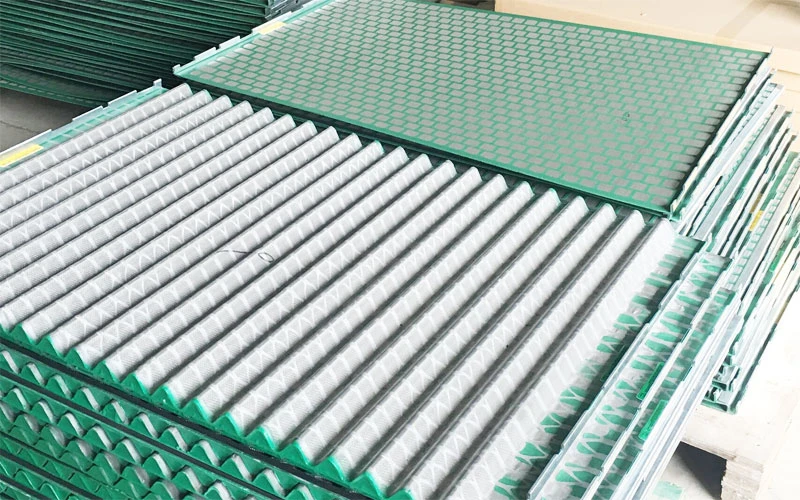
Screen Replacement
Damaged shaker screens reduce separation efficiency and increase drilling fluid loss.
Replace screens promptly when wear is detected.
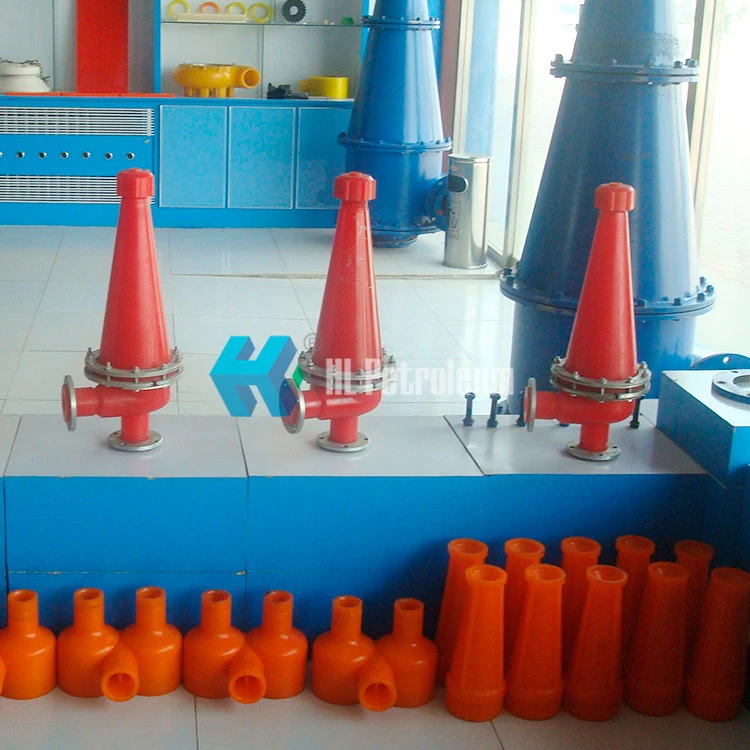
Hydrocyclone Maintenance
Inspect hydrocyclones for:
- Wear
- Blockage
- Leakage
Worn cones reduce solids separation performance.
Centrifuge Maintenance
Regularly inspect:
- Bearings
- Conveyor
- Bowl wear protection
- Vibration condition
Tank Cleaning
Clean mud tanks periodically to prevent solids accumulation.
Why Choose a Professional Solids Control Equipment Manufacturer
Choosing an experienced manufacturer is critical for drilling project success.
A reliable supplier should provide:
- API-compliant equipment
- ISO-certified manufacturing
- Customized engineering solutions
- Fast spare parts support
- Technical training
- After-sales service
Professional manufacturers can also help optimize the entire drilling fluid circulation system according to actual drilling conditions.
FAQ About Solids Control Equipment
What is the purpose of solids control equipment?
Solids control equipment removes harmful drilled solids from drilling fluid to maintain mud performance and improve drilling efficiency.
What is the most important equipment in a solids control system?
The shale shaker is considered the first and most important stage because it removes the largest amount of drilled solids.
How does a decanter centrifuge work?
A decanter centrifuge uses high-speed centrifugal force to separate ultra-fine solids from drilling fluids.
What is the difference between a desander and a desilter?
A desander removes medium-sized particles, while a desilter removes finer particles.
Can solids control equipment be customized?
Yes. Most solids control systems can be customized based on:
- Rig size
- Drilling depth
- Mud type
- Site conditions
- Environmental requirements
Is solids control equipment suitable for HDD drilling?
Yes. Compact mud recycling systems are widely used in HDD and trenchless drilling projects.
How long does solids control equipment last?
With proper maintenance, high-quality solids control equipment can operate reliably for many years in harsh drilling environments.
Conclusion
Solids control equipment is one of the most critical systems in modern drilling operations. From shale shakers and desanders to centrifuges and mud tanks, every component plays an essential role in maintaining drilling fluid quality and improving operational efficiency.
A properly designed drilling solids control system can help reduce drilling costs, minimize environmental impact, improve penetration rates, and extend equipment lifespan.
As drilling projects become more complex and environmental standards continue to rise, investing in high-performance solids control equipment is increasingly important for oilfield contractors worldwide.
If you are looking for reliable solids control equipment, customized mud recycling systems, or complete drilling fluid processing solutions, choosing an experienced manufacturer with strong engineering capabilities and international project experience is essential.
Request a Quote for Solids Control Equipment
Looking for high-quality solids control equipment for your drilling project?
We provide:
- Complete drilling solids control systems
- Shale shakers
- Mud cleaners
- Desanders and desilters
- Decanter centrifuges
- Mud tanks
- HDD mud recycling systems
- Customized drilling fluid solutions
Our engineering team can recommend the most suitable configuration based on your drilling conditions, rig size, and project requirements.
Contact us today for technical support, product specifications, and a competitive quotation for your next drilling project.