
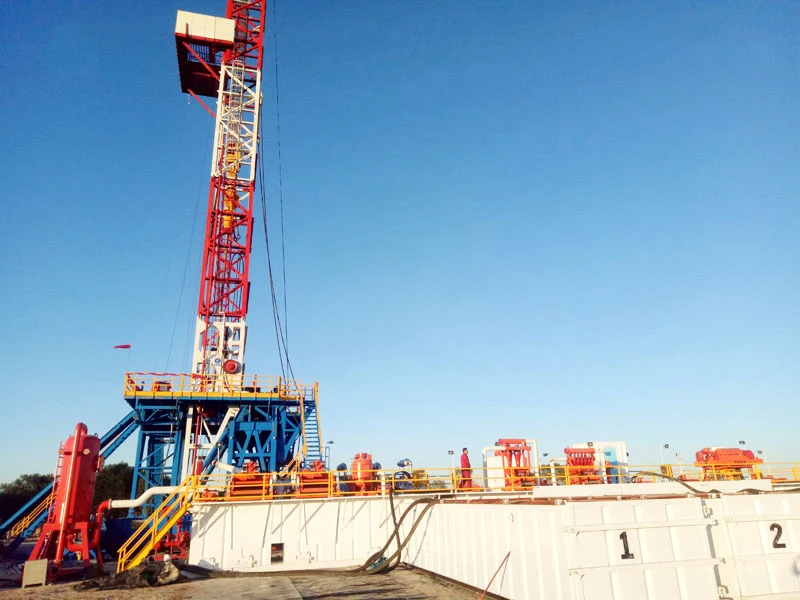
Mud tanks are indispensable equipment in oil drilling. The purpose of the drilling equipment’s surface fluid handling system is to provide sufficient treated drilling fluid for drilling operations. The drilling fluid circulation system must have enough space to handle and balance the drilling fluid above the suction line, thus ensuring the wellbore fills with fluid during tripping.
Shape of mud tank
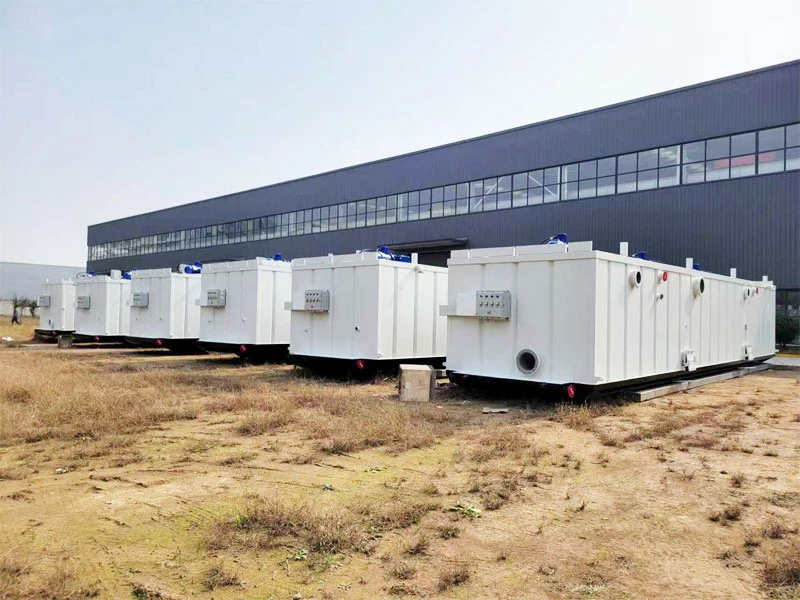
Mud tanks are FG and ZG type oil drilling mud tanks. These tank circulation systems are classified as square or conical based on the shape of the tank bottom. The tank body adopts a flat conical structure or a corrugated structure, welded from steel plates and structural steel.
The tank surface and walkways of the mud tank use anti-slip steel plates and anti-slip strip mesh panels manufactured by professional companies. We make the tank surface railings from square steel pipes; they feature an unobstructed, foldable structure and use secure connections.
The mud tank surface features a clean water line for cleaning the tank surface and equipment. The tank surface mesh panels use a galvanized finish. The upper ladder uses channel steel as the main body, with anti-slip strip mesh panels as steps, and safety hooks are provided on both sides of the guardrail.
Reasons for Equipping a Mud Circulation Tank:
The surface system must establish circulation during drilling, while also considering the preparation and pretreatment of reserve drilling fluid.
Design the circulation system based on worst-case scenarios, generally factoring in the maximum borehole mechanical rate of penetration (MRP).
Example Calculation Breakdown
For example, in a 14-inch well section with an average drilling rate of 200ft/h and 80% solids removal efficiency:
- The solids removal system will remove about 34bbl of drill cuttings (plus encapsulating fluid) every hour.
- More likely, 2bbl of waste drilling fluid are generated for every barrel of solids removed.
- In this scenario, the fluid volume in the circulation system will decrease by 102bblper hour.
If operators cannot quickly prepare drilling fluid on-site to compensate for these losses, they must mix reserve or pretreated drilling fluid into the solids control circulation system to maintain volume.
 Chat with Engineer