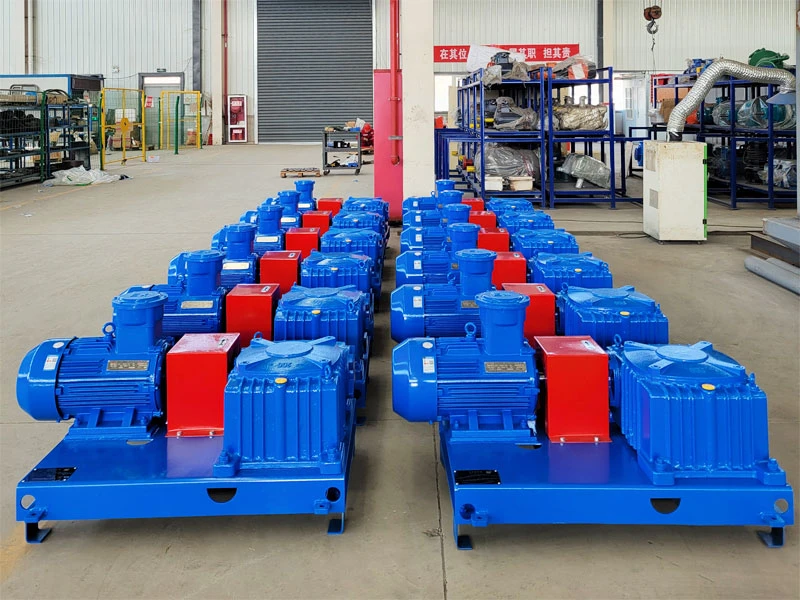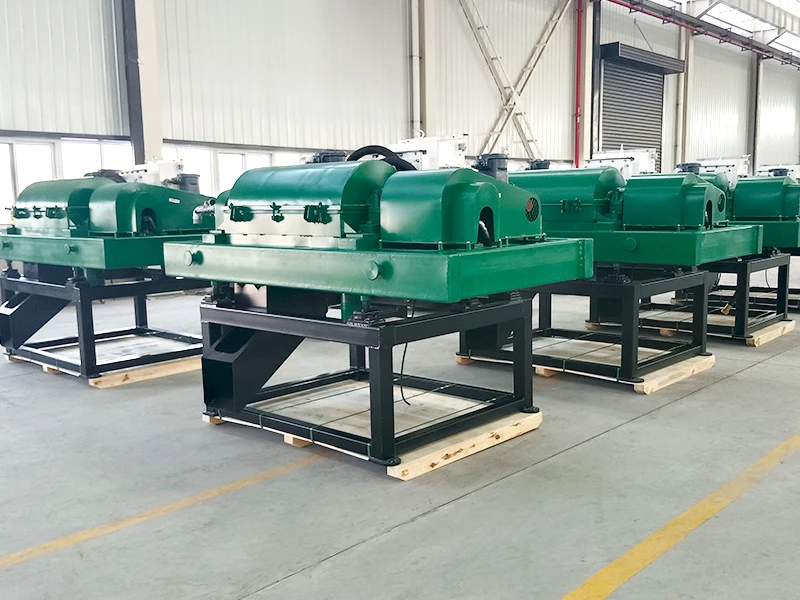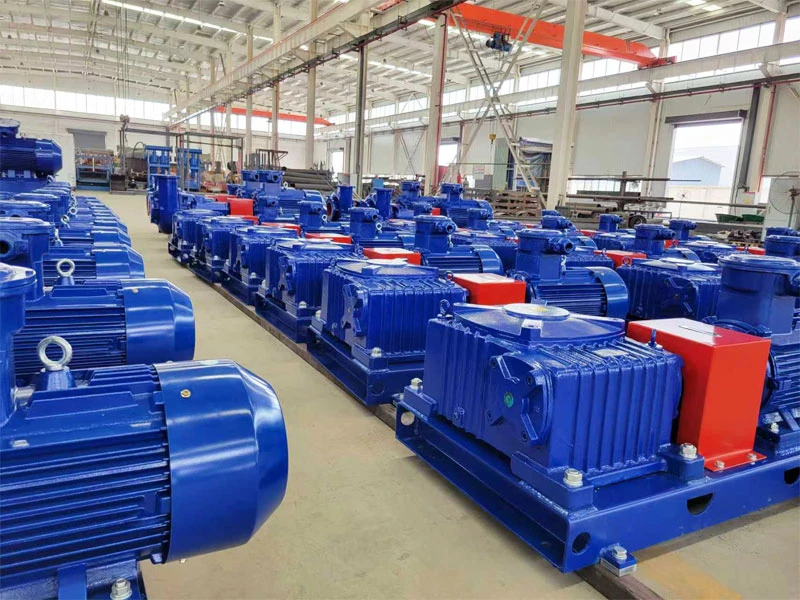
When selecting a vacuum degasser for oilfield drilling operations, the following factors should be carefully considered:
1. Processing Capacity
The handling capacity of the vacuum degasser should match the mud circulation volume of the drilling rig. An undersized unit may reduce degassing efficiency, while an oversized unit can increase unnecessary operating costs.
2. Vacuum Efficiency
Generally, the higher the vacuum degree, the better the gas removal performance. High-efficiency vacuum degassers help maintain stable drilling fluid properties and improve drilling safety.
3. Explosion-Proof Design
Oilfield drilling environments are potentially hazardous and require explosion-proof equipment. Oilfield safety standards require the vacuum degasser to feature explosion-proof motors and electrical components.
4. Material Quality
Corrosion-resistant materials can significantly extend the service life of the equipment, especially in harsh drilling environments with corrosive drilling fluids or high salinity conditions.
5. Ease of Maintenance
A vacuum degasser with a simple structure and convenient maintenance design can reduce downtime and improve operational efficiency at the drilling site.
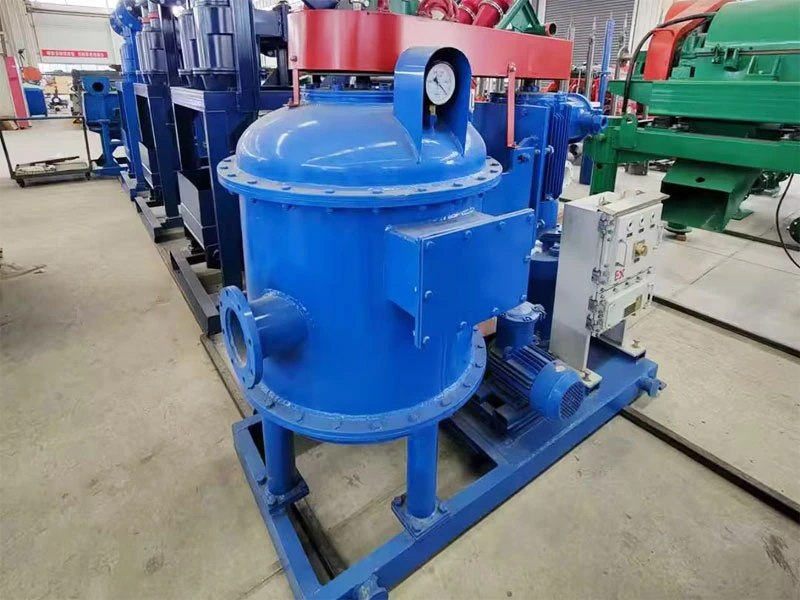
Key Selection Criteria for Vacuum Degassers
1. Match Processing Capacity with Rig Specifications
The processing capacity of a vacuum degasser (commonly ranging from 240–360 m³/h) should correspond to the drilling rig model, such as ZJ20–ZJ90 rigs. Deeper wells and higher mud circulation rates require larger processing capacities.
2. Degassing Efficiency Requirements
A high-quality vacuum degasser can achieve a degassing efficiency of 95%–99%, making it suitable for severe gas invasion conditions, deep wells, and underbalanced drilling operations where safety risks are higher.
3. Operating Vacuum Pressure Range
The standard operating vacuum pressure range is typically -0.030 to -0.065 MPa. The equipment should maintain stable performance under the expected formation gas pressure conditions.
4. Explosion-Proof and Safety Standards
Since oilfields are flammable and explosive environments, the vacuum degasser should be equipped with:
- Explosion-proof motor (ExdⅡBT4)
- Water-ring vacuum pump
These features improve operational safety and reliability.
5. Installation Position in the Solids Control System
The vacuum degasser should be installed:
- After the shale shaker
- Before the desander
This positioning allows free gas to be removed early, protecting downstream solids control equipment and maintaining drilling fluid performance.