
In modern oil and gas drilling operations, the mud tank plays a critical role within the solids control system. One of the most essential components installed in mud tanks is the bottom valve (subsea valve), which ensures efficient mud transfer and precise flow control between compartments and tanks.
What Is a Mud Tank Bottom Valve?
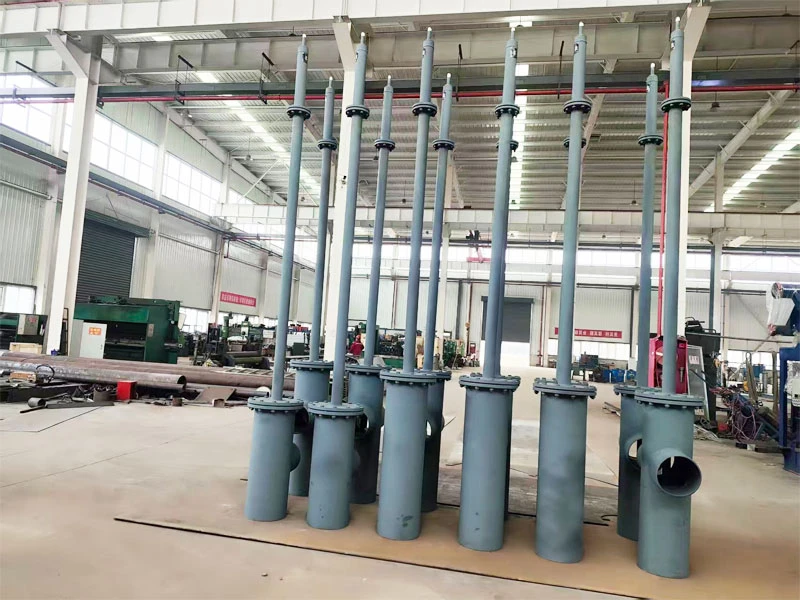
A mud tank bottom valve is a control device installed at the bottom of drilling fluid tanks. It is primarily used to regulate the flow of drilling mud between different compartments or connected tanks while preventing unwanted fluid migration.
This valve enables operators to control mud circulation externally, without direct contact with the tank interior, improving both safety and operational efficiency.
Key Functions of Mud Tank Bottom Valves
1. Efficient Mud Flow Control
The bottom valve is installed on the suction pipeline of the mud tank, allowing operators to:
- Control mud suction from individual tanks
- Manage fluid distribution within the mud system
- Prevent cross-contamination between tank compartments
This ensures stable drilling fluid performance and enhances overall drilling efficiency.
2. Integrated Manifold Design
The bottom valve allows integration of the suction manifold within the tank structure, which:
- Simplifies system layout
- Reduces external piping requirements
- Improves transportation and installation efficiency
Structural Features and Design Advantages
The mud tank bottom valve is composed of over 50 precision-engineered components working together to ensure reliable performance and long service life.
1. Advanced Sealing Structure
- The valve adopts a conical sealing design, ensuring tight sealing between the rubber element and valve seat
- Achieves near zero leakage between tank compartments and external systems
- Improves overall system safety and environmental compliance
2. Reduced Mechanical Load
- Optimized design reduces axial load on the sealing rubber by approximately 20%
- Extends the lifespan of sealing components
- Minimizes maintenance frequency and cost
3. User-Friendly Operation
- Control mechanism is extended above the tank surface
- Enables easy operation and maintenance from the tank top
- Eliminates the need for confined space intervention
4. Stable and Reliable Performance
- Smooth opening and closing operation
- High durability under harsh drilling conditions
- Suitable for continuous operation in oilfield environments
Why Mud Tank Bottom Valves Are Essential
In drilling operations, maintaining proper mud properties is critical. The bottom valve ensures:
- Accurate mud transfer and circulation
- Prevention of unwanted solids accumulation or fluid mixing
- Improved efficiency of the drilling waste management system
Using unreliable bottom valves compromises the mud system, which raises costs and heightens operational risks.
Conclusion
The mud tank bottom valve is a vital component in any drilling fluid circulation system. With its advanced sealing technology, integrated design, and easy operation, it significantly improves the efficiency, safety, and reliability of oilfield drilling operations.
For companies involved in oil drilling, HDD, or waste management, investing in high-quality mud tank bottom valves is essential for long-term performance and cost savings.

 Chat with Engineer