In oil and gas drilling operations, the mud tank is one of the most critical components of the solids control system. Over time, drilling cuttings, sediment, oil residue, and sludge accumulate inside the tanks, reducing mud circulation efficiency and increasing maintenance downtime. A reliable mud tank cleaning system helps operators maintain cleaner tanks, improve drilling fluid performance, and reduce environmental risks.
For drilling contractors and oilfield service companies, investing in an efficient mud tank cleaning solution is becoming increasingly important as environmental regulations and operational efficiency requirements continue to rise.
What Is a Mud Tank Cleaning System?
A mud tank cleaning system is designed to remove sludge, settled solids, and residual drilling waste from drilling mud tanks. The system can be manual, semi-automatic, or fully automatic depending on the project requirements.
In modern drilling operations, automated cleaning systems are increasingly preferred because they reduce manpower requirements, minimize confined-space entry risks, and shorten rig downtime.
Mud tank cleaning systems are commonly used in:
- Oil & gas drilling rigs
- HDD (Horizontal Directional Drilling) projects
- Offshore drilling platforms
- Workover rigs
- Mud recycling systems
- Industrial slurry handling systems
Why Mud Tank Cleaning Is Important
During drilling operations, solids continuously settle at the bottom of mud tanks. If these materials are not removed regularly, several problems can occur:
1. Reduced Mud System Efficiency
Excessive solids buildup affects mud properties and decreases the efficiency of shale shakers, desanders, desilters, and centrifuges.
2. Increased Equipment Wear
Accumulated abrasive particles can damage pumps, agitators, pipelines, and centrifugal equipment.
3. Higher Operational Costs
Dirty mud tanks require more maintenance, increase non-productive time (NPT), and lead to additional mud treatment expenses.
4. Environmental Compliance Issues
Improper sludge handling may violate environmental regulations, especially in offshore and environmentally sensitive drilling areas.
5. Safety Risks
Manual tank cleaning often involves confined-space entry, exposing workers to hazardous gases and difficult working conditions. Closed-loop cleaning systems help reduce these risks significantly.
Main Components of a Mud Tank Cleaning System
A complete mud tank cleaning system usually includes the following components:
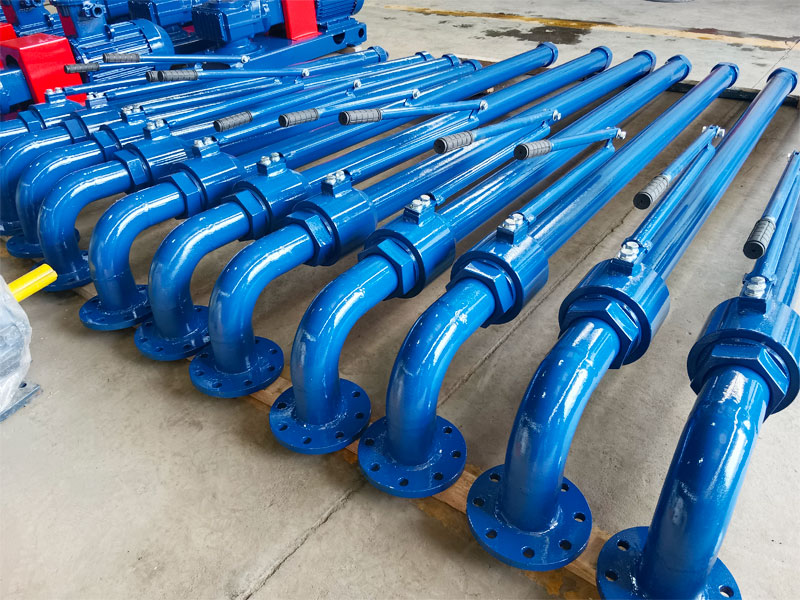
High-Pressure Cleaning Pump
Provides high-pressure water or cleaning fluid to remove sludge and solids attached to tank walls and bottoms.
Tank Cleaning Nozzles
Rotating spray nozzles distribute cleaning fluid evenly throughout the tank interior for efficient washing.
Sludge Transfer Pump
Transfers contaminated slurry from the tank to separation equipment for further treatment.
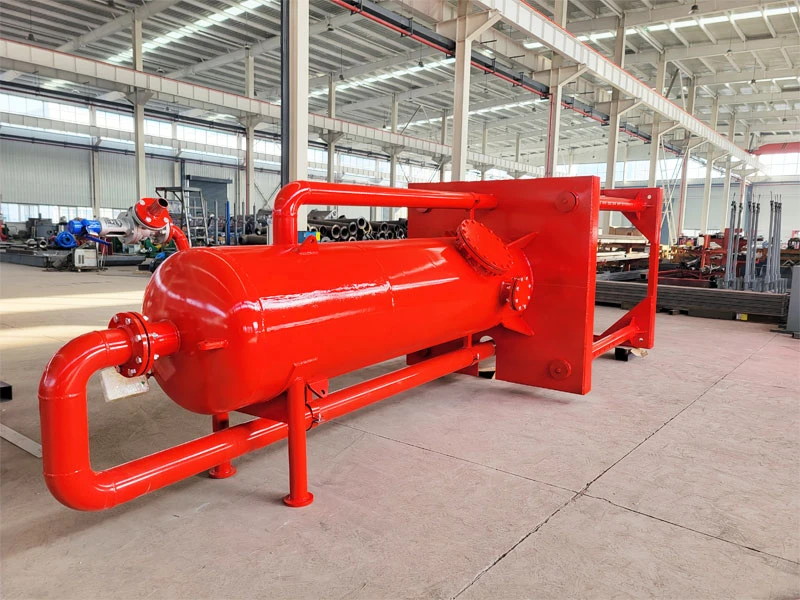
Solids Separation Equipment
Depending on the system design, the following equipment may be integrated:
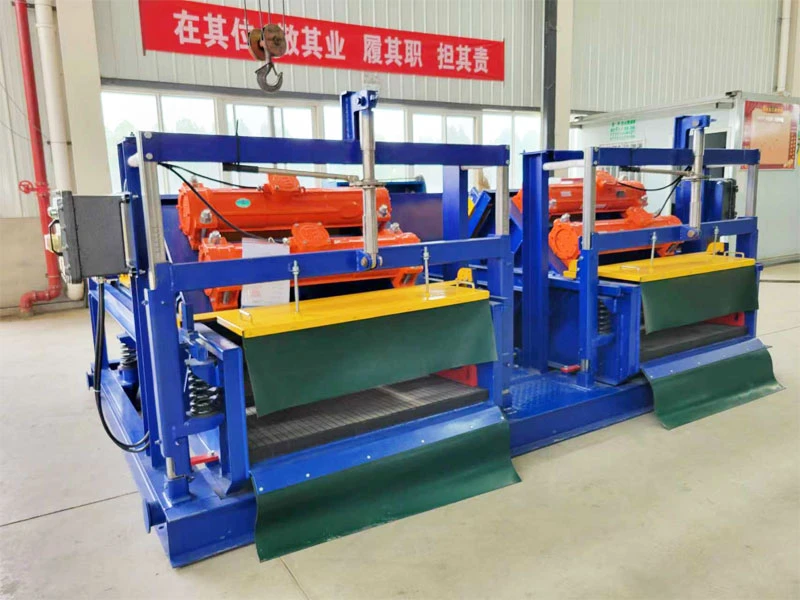
- Shale shaker
- Mud cleaner
- Desander
- Desilter
- Decanter centrifuge
These devices separate reusable drilling fluid from waste solids.
Control System
Automated PLC control systems help operators monitor pressure, flow rate, cleaning cycles, and sludge removal performance.
How a Mud Tank Cleaning System Works
The cleaning process typically follows these steps:
- High-pressure pumps deliver cleaning fluid to rotating nozzles inside the tank.
- Sludge and settled solids are loosened from tank surfaces.
- The contaminated slurry is transferred to solids control equipment.
- Solids are separated from reusable drilling fluid.
- Clean fluid can be recirculated back into the cleaning system, reducing water consumption.
Modern closed-loop systems significantly reduce waste generation and cleaning time.
Types of Mud Tank Cleaning Systems
Manual Cleaning System
- Low initial investment
- Requires heavy labor
- Higher safety risks
- Longer cleaning time
Suitable for small drilling projects or occasional tank maintenance.
Semi-Automatic Cleaning System
- Combines manual operation with mechanical cleaning tools
- Moderate cleaning efficiency
- Lower labor requirements
Fully Automatic Tank Cleaning System
- High cleaning efficiency
- Minimal manpower
- Reduced downtime
- Improved safety
- Closed-loop fluid recycling
Best suited for large drilling contractors and offshore operations.
Key Features of an Efficient Mud Tank Cleaning System
When selecting a mud tank cleaning system, operators should consider:
Strong Solids Handling Capacity
The system should effectively process high-density sludge and large solid particles.
Closed-Loop Design
Closed-loop systems minimize fluid loss and reduce environmental contamination.
Compact Structure
Compact skid-mounted systems are easier to transport and install on drilling sites.
Corrosion Resistance
Oilfield environments are highly corrosive, so tanks and pipelines should use anti-corrosion coatings and durable materials.
Easy Maintenance
Systems with modular designs simplify maintenance and spare parts replacement.
Mud Tank Cleaning System in Solids Control Operations
In drilling fluid management systems, mud tank cleaning systems work closely with solids control equipment such as:
- Shale shakers
- Vacuum degassers
- Mud cleaners
- Decanter centrifuges
- Mud agitators
Together, these systems maintain drilling fluid performance and support continuous drilling operations.
Benefits of Using an Automated Mud Tank Cleaning System
Improve Drilling Efficiency
Cleaner tanks allow better mud circulation and more stable drilling fluid properties.
Reduce Downtime
Automated cleaning shortens maintenance shutdown periods.
Lower Labor Costs
Reduced manual cleaning requirements decrease workforce demands.
Enhance Safety
Minimizing confined-space entry improves worker safety.
Reduce Environmental Impact
Closed-loop recycling systems lower waste discharge and fluid consumption.
Choosing the Right Mud Tank Cleaning System
Before selecting a system, operators should evaluate:
- Tank capacity
- Type of drilling fluid
- Solids concentration
- Required cleaning frequency
- Available installation space
- Environmental regulations
- Automation requirements
Custom-designed systems are often recommended for large oilfield projects because drilling conditions vary significantly between rigs and regions.
Conclusion
A mud tank cleaning system plays a critical role in maintaining drilling fluid performance, reducing operational downtime, and improving overall drilling efficiency. As drilling projects become more demanding and environmental standards continue to increase, automated and closed-loop cleaning systems are becoming the preferred solution for modern drilling operations.
For oilfield drilling contractors, investing in an efficient mud tank cleaning system not only improves equipment performance but also reduces long-term maintenance costs and operational risks.
If you are looking for reliable mud tank cleaning solutions, drilling solids control systems, or customized mud treatment equipment, visit HL Petroleum to learn more about professional oilfield solids control equipment and drilling fluid management systems.