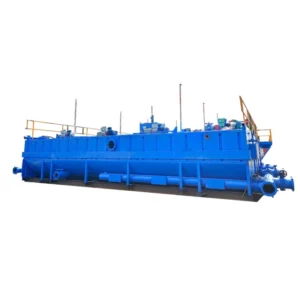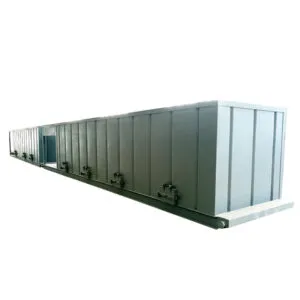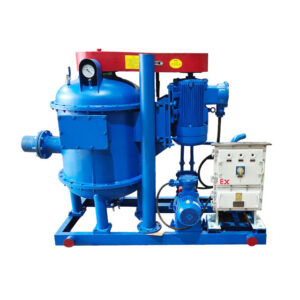
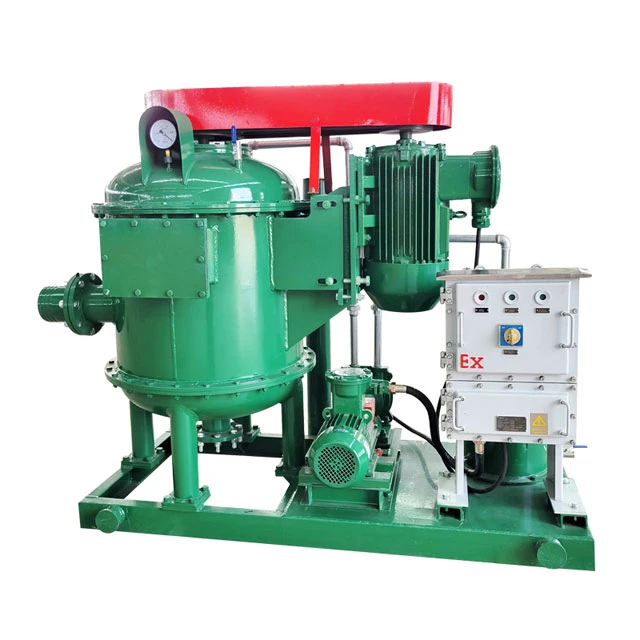
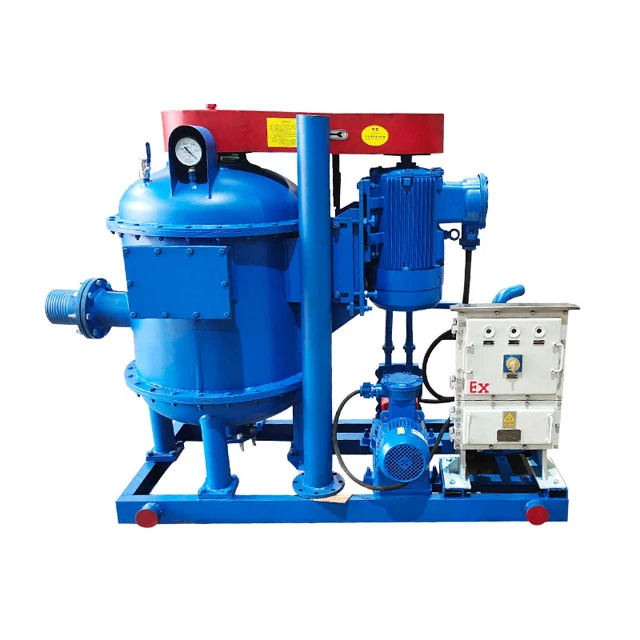
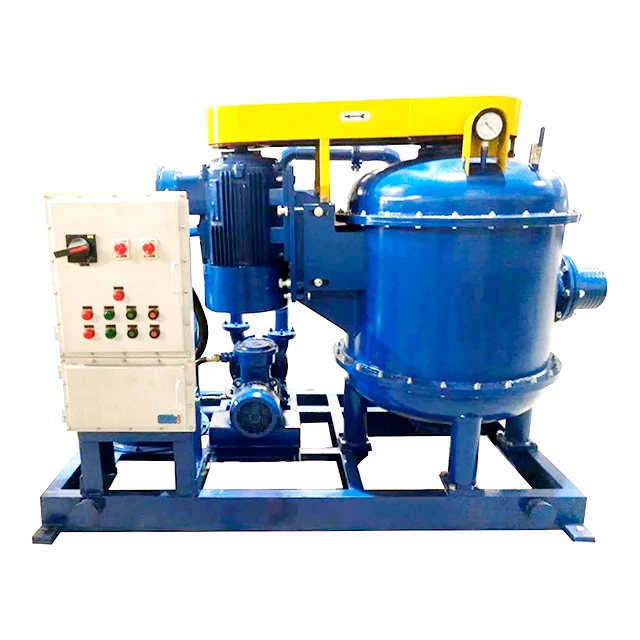
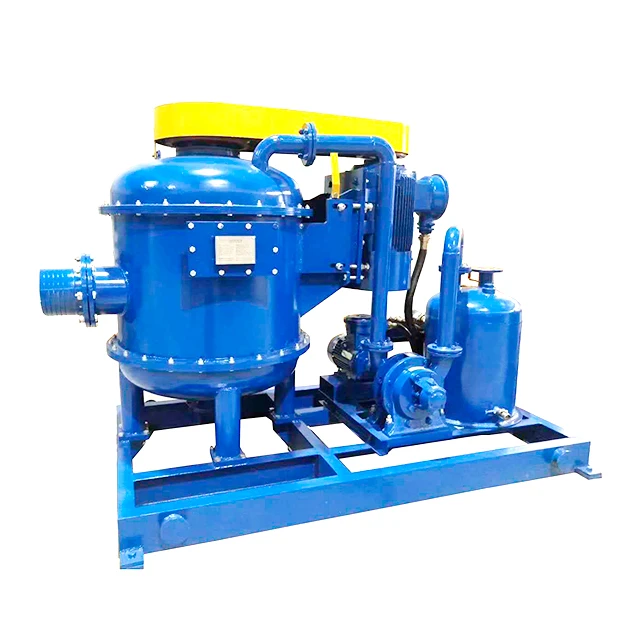
Vacuum Degasser is a special degassing equipment for processing gas-immersed drilling fluids. The degassing efficiency is as high as 95%. It is suitable for supporting various oil drilling solids control systems, also useful for restoring the specific gravity of the mud and stabilizing the viscosity of the mud. Performance and reducing drilling costs play an important role. At the same time, it can also be used as a high-power agitator.
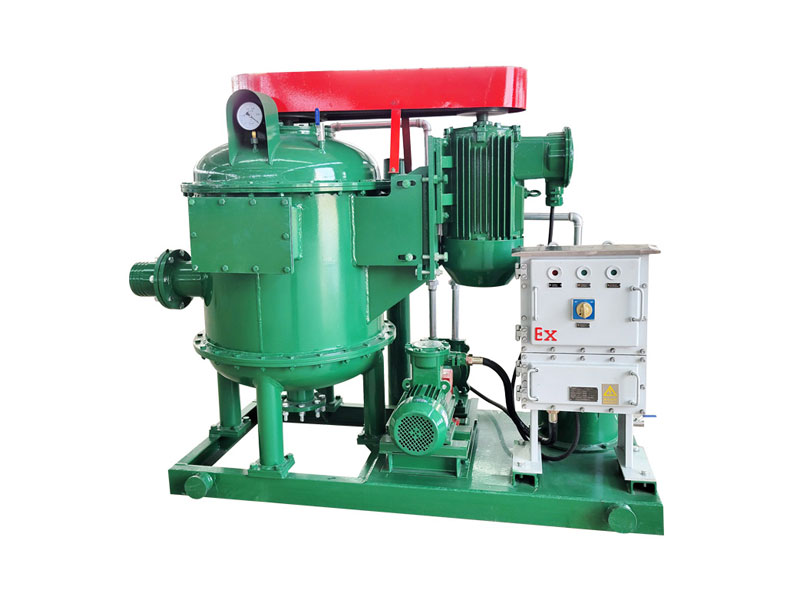
How a Vacuum Degasser Works
A vacuum degasser draws gas-cut drilling fluid through a vacuum chamber using a dedicated vacuum pump. Inside the chamber, the mud passes over spray plates or baffles that spread it into a thin film, maximizing surface area so entrained gas can escape under negative pressure. The degassed fluid then discharges back into the active system, restoring mud weight and stabilizing viscosity before the fluid continues through the rest of the solids control process.
Because the separation relies on vacuum rather than mechanical impact alone, this design handles heavily gas-cut mud more effectively than passive degassing methods — which is why it’s the standard choice on rigs dealing with frequent gas kicks or high-gas-content formations.
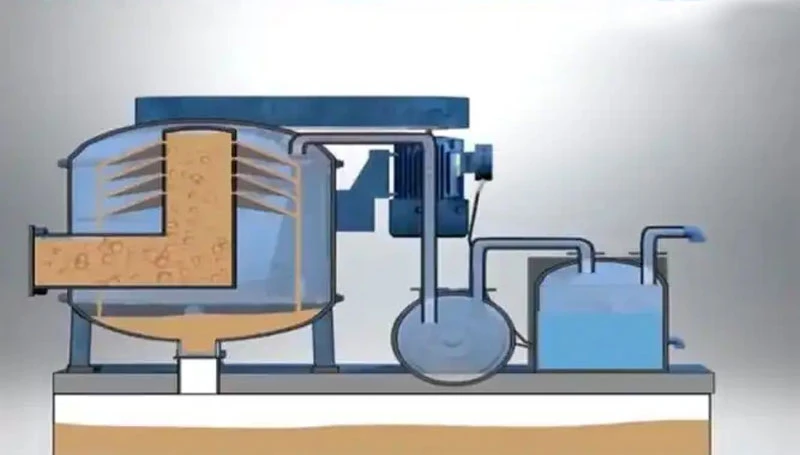
Vacuum Degasser Technical Parameters
| Model | HCQ240 | HCQ270 | HCQ300 | HCQ360 |
| capacity(m³/h) | 240 | 270 | 300 | 360 |
| Vacuum ratio(MPa) | -0.030—0.04 | -0.030—0.050 | -0.030—0.055 | -0.040—0.065 |
| Vacuum pump power(KW) | 2.2 | 3 | 4 | 7.5 |
| Speed(r/min) | 860 | 870 | 876 | 880 |
| Applicable mud gravity(g/cm³) | ≤2g/cm³ | ≤2g/cm³ | ≤2.5g/cm³ | ≤2.5g/cm³ |
| Master motor power(KW) | 15 | 22 | 30 | 37 |
| Dimension | 1750×860×1500mm | 2000×1000×1760mm | 2250×1330×1650mm | 2400×1500×1850mm |
| Weight | 1100kg | 1350kg | 1650kg | 1800kg |

Vacuum Degasser Features
1. High efficiency degassing
2. Belt drive and protect the motor
3. Small power, energy conservation
4. Agitator and degassing,two purposes
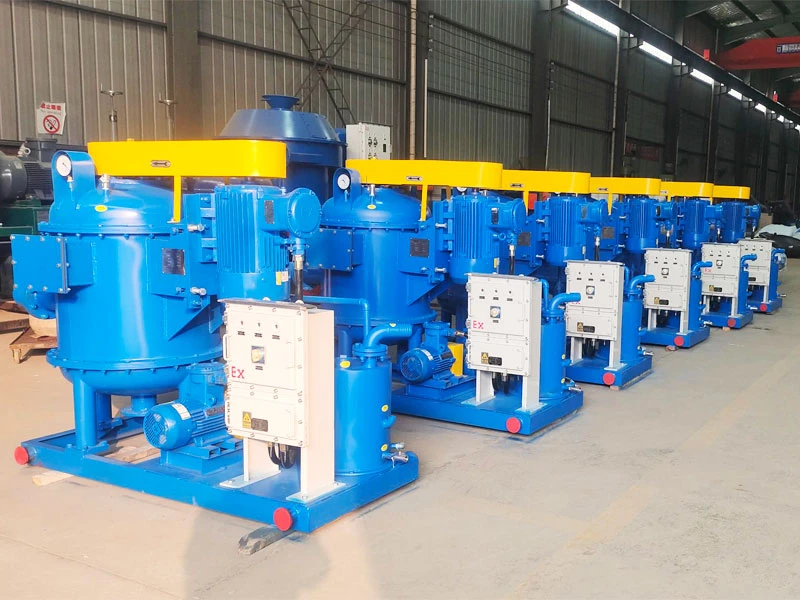
Factory testing of the vacuum degasser prior to shipment
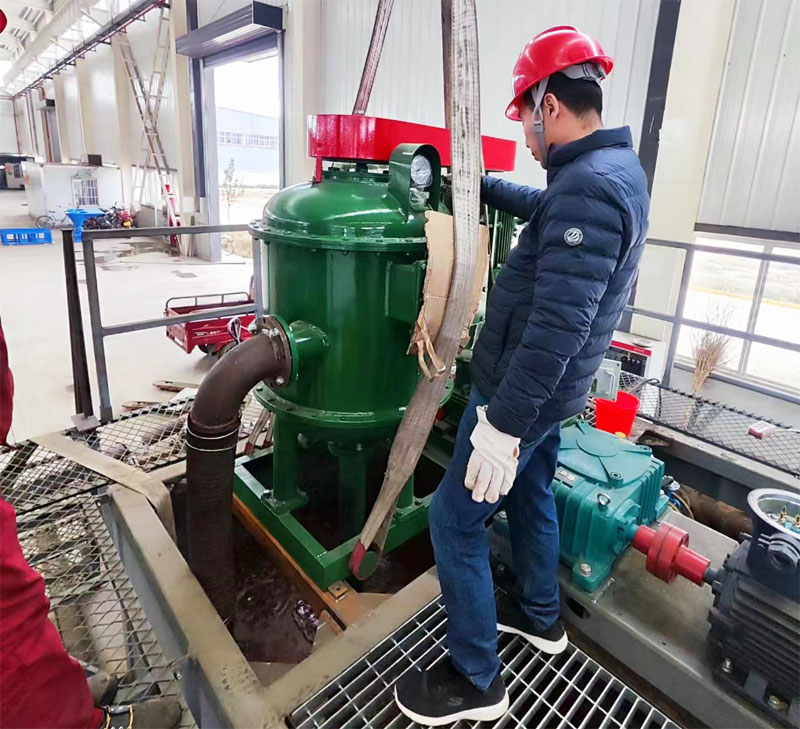
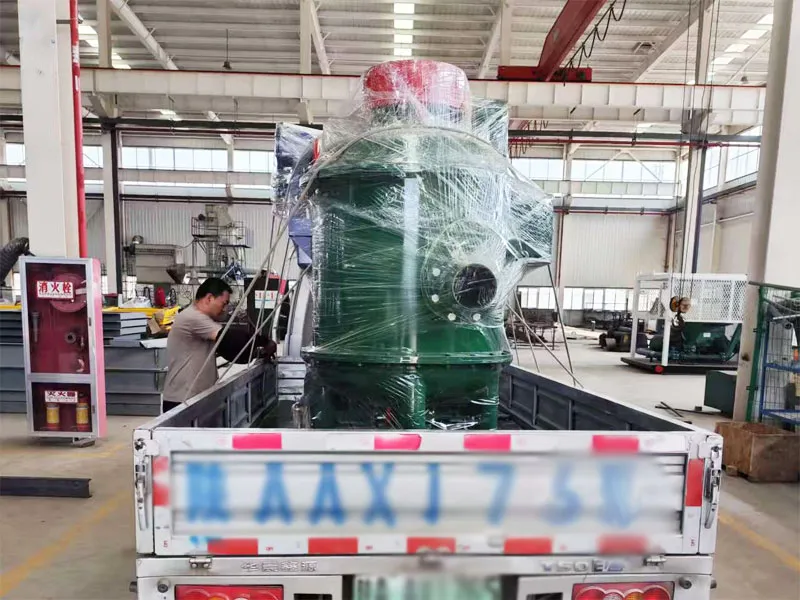
Vacuum degasser shipment
Applications
Vacuum degassers are used across a range of drilling operations where gas-cut mud is a recurring concern:
- Deep wells — where formation gas regularly enters the mud system
- Weighted mud systems — where accurate mud weight directly affects well control
- Operations recovering from a gas kick — where crews need fast, reliable degassing to restore normal circulation
- Rigs running a full solids control system — where the degasser sits downstream of the shale shaker and ahead of desanders/desilters
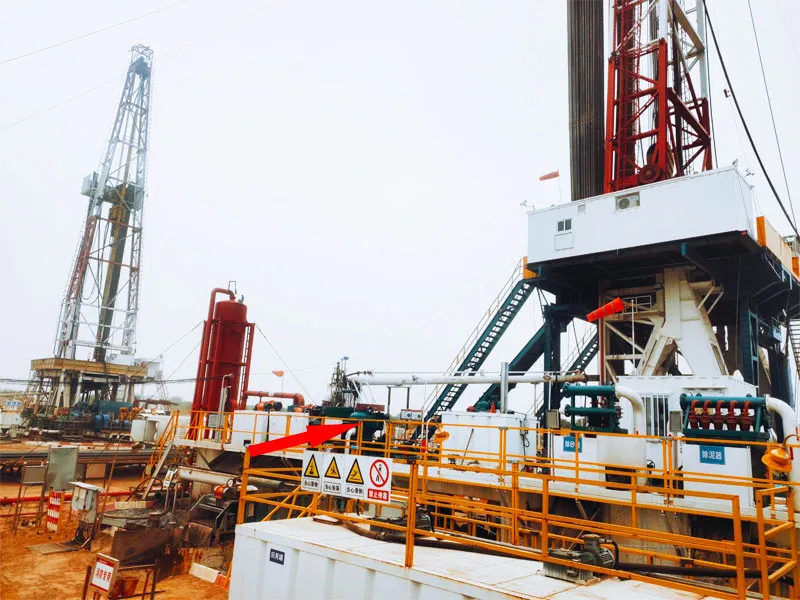
70-Series Drilling Rig Site
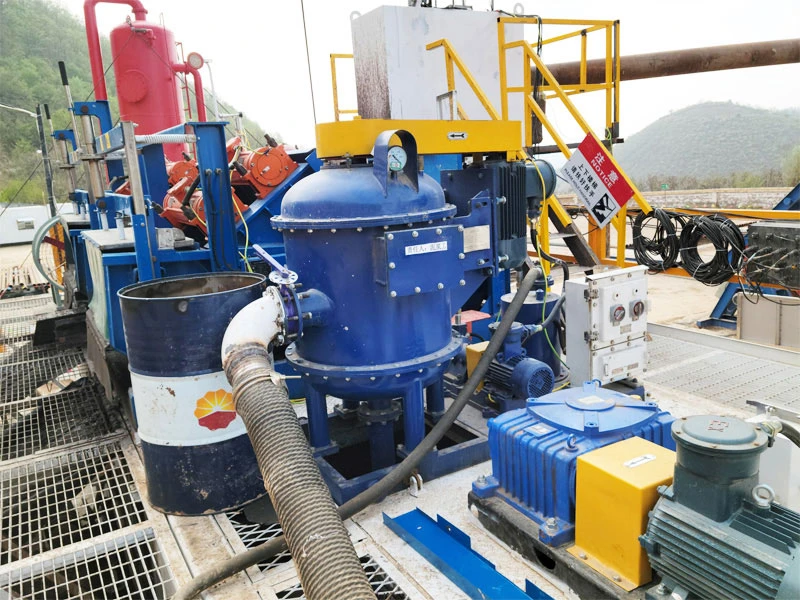
50-Series Drilling Rig On-Site
How to Choose the Right Model
The four models in this range are sized by processing capacity and the mud weight they can handle — matching the right one to your operation comes down to two main factors:
- Circulation rate — choose a model whose capacity (m³/h) meets or slightly exceeds your system’s actual flow rate; undersizing leaves gas-cut mud only partially treated.
- Mud weight — heavier, weighted mud requires a model rated for higher specific gravity (see the “Applicable mud gravity” row below); running weighted mud through an undersized unit reduces degassing efficiency.
As a general guide, the HCQ240 and HCQ270 suit smaller rigs and lighter mud systems, while the HCQ300 and HCQ360 suit higher-capacity operations running heavier, weighted mud.
Vacuum Degasser vs. Other Degassing Equipment
This vacuum pump-driven design is one of several degassing configurations we offer. If your operation needs a different setup — such as an atmospheric ejector-type unit or a centrifugal design — see our full degasser range to compare options, or contact our engineers for a recommendation based on your mud system.
If you would like to learn about the differences between a vacuum degasser and a mud gas separator, you can click here:Vacuum Degasser vs. Mud Gas Separator: What’s the Difference?
Maintenance Tips
- Check vacuum pump seals and belt tension regularly — a worn belt reduces both degassing efficiency and agitation performance.
- Inspect spray plates/baffles periodically for solids buildup, which can reduce the surface area available for gas separation.
- Monitor vacuum gauge readings against the rated range for your model — a reading outside spec often signals a seal or pump issue before performance visibly drops.
For more on keeping your equipment running reliably, see our after-sales support and maintenance services.
Need help selecting the right vacuum degasser for your rig? Send us your mud weight and circulation rate and our engineers will recommend the right model.
Contact Us
Sales: HL Petroleum
E-mail: sales@solidscontrol.co