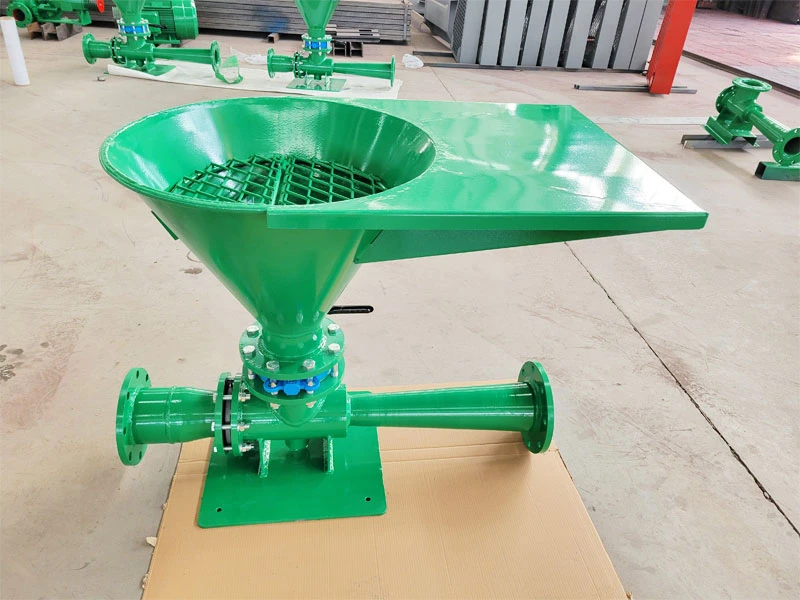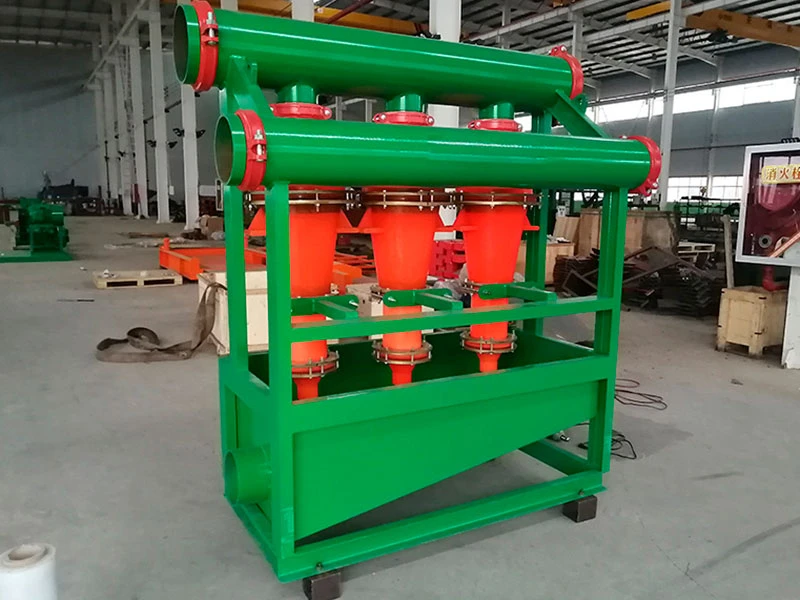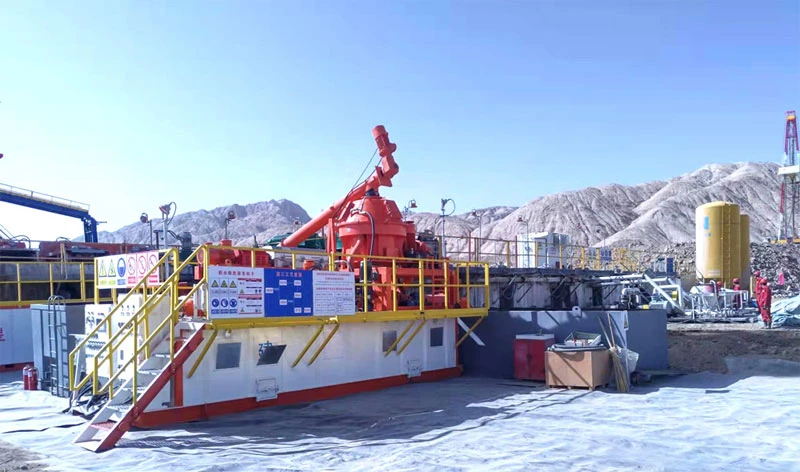
Drawing on advanced design and manufacturing technology, we optimized our vibrating screens. These screens rapidly remove harmful solids from drilling mud while effectively recovering the fluid. As a crucial device in the solids control system, these screens separate large cuttings from the mud. This is vital for maintaining drilling fluid performance. To ensure we produce high-precision, low-energy, and dust-free screens, we implement strict quality control at every stage. This article details the outstanding performance of our drilling fluid vibrating screens in solids control equipment.
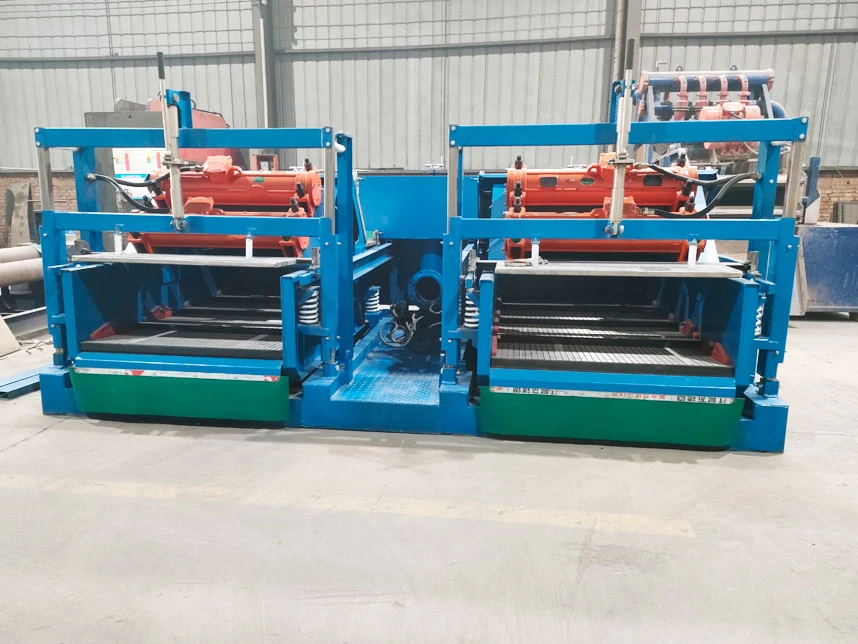
1. We use national standard steel from Baosteel, Tangshan Iron and Steel, and other top brands to ensure the vibrating screen’s structure is robust.
2. We selected the screen for its large area, which provides high processing capacity and excellent performance.
3. A thick, anti-corrosion coating is applied to the heat-treated screen box, ensuring a long service life for the vibrating screen.
4. The electrical control cabinet, equipped with thermal relay overload and phase loss protection, ensures operator safety.
5. The fully bonded trough-edge rigid screen and drawn fixing plate make screen replacement easier and faster, allowing you to replace various vibrating screens.
6. The rationally designed vibrating screen box cofferdam height ensures uniform mud flow, reduces direct impact on the screen, and effectively extends the screen’s service life.
7. The Italian joint venture European-style vibrating motor offers advantages such as high vibration intensity, large screen area, adjustable screen box angle, low noise, excellent performance, and high efficiency.
The drilling fluid vibrating screen’s superior performance in solids control equipment far exceeds this. Everyone must follow instructions and perform correct operations to fully demonstrate its performance. We will continue to provide more information about solids control equipment.
FAQ:
1. What is the primary function of a mud vibrating screen in the solids control system?
The mud vibrating screen (shale shaker) is the first-stage solids control equipment in the drilling fluid circulation system. Its main functions are:
- Removing large drill cuttings (typically >74 μm) from the returned drilling fluid via vibration;
- Protecting downstream equipment (desanders, desilters, centrifuges) from abrasion and blockage;
- Recovering reusable drilling fluid to reduce mud loss and disposal costs.
2. How do I select the right shaker type for my drilling operation?
Selection should be based on your specific drilling conditions:
|
Drilling Condition
|
Recommended Shaker Type
|
|---|---|
|
Conventional oil & gas wells
|
Linear motion or elliptical motion shaker
|
|
Shale gas, deep / ultra-deep wells
|
Dual-motor linear motion or balanced elliptical shaker
|
|
High-viscosity, sticky cuttings
|
High-frequency or variable-motion shaker
|
| Offshore / limited deck space | Compact, high-capacity linear shaker |
Also ensure the shaker’s maximum handling capacity is 1.2–1.5 times the expected peak flow rate.
3. How do I choose the correct screen mesh size (API number)?
Mesh size determines separation cut point. General guidelines are:
- Surface / shallow hole sections: 20–60 mesh (coarse cuttings);
- Intermediate sections: 80–120 mesh;
- Horizontal / extended-reach wells: 140–200 mesh or finer;
- Note: Higher mesh improves separation but reduces throughput. Always balance cut point vs. flow capacity.
4. Why does the shaker screen fail or tear frequently?
Common causes include:
- Insufficient tensioning: Loose screens vibrate against the frame and fatigue quickly;
- Uneven mud distribution: Jetting in one area causes localized overload;
- Vibration imbalance: Misaligned eccentric weights on vibrator motors;
- Mechanical impact: Large cuttings or metal debris striking the screen;
- Poor screen quality: Low-grade wire, weak bonding, or unsuitable mesh coating.
5. What should I do if the shaker vibrates abnormally or makes loud noise?
Follow this troubleshooting sequence:
- Stop the shaker immediately and check all motor base bolts and screen frame bolts for looseness or breakage;
- Verify both vibrator motors have equal eccentric weight angles and rotate in the correct direction;
- Inspect springs or rubber isolators for cracks, deformation, or detachment;
- Check the screen basket for trapped debris or dried mud buildup causing imbalance;
- If the issue persists, contact the manufacturer to check dynamic balance or foundation rigidity.