
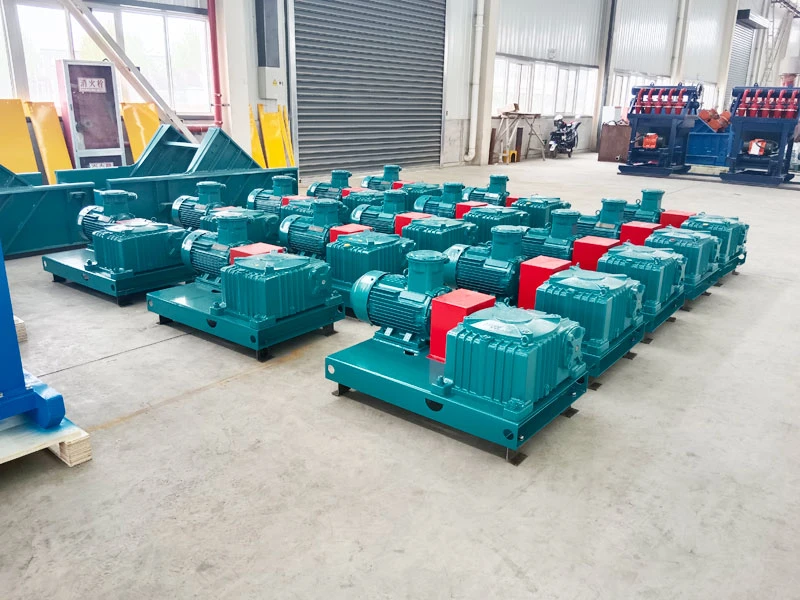
In the world of oilfield drilling, the drilling mud agitator is the heartbeat of the solid control system. Its primary job is to keep drilling fluids uniform and prevent solids from settling in the mud tank. However, not all agitators are created equal.
Choosing the wrong equipment can lead to motor burnout, impeller damage, or poor fluid quality. Before you make your next purchase, here are the four essential technical factors every project manager and engineer needs to consider.
1. Power Efficiency vs. Motor Size
Many customers believe that higher power automatically translates to better performance. However, field measurements show that the actual output power of a drilling fluid mixer often does not exceed 2kW.
While 5kW and 7.5kW motors are common on the market, they are often designed with the “brute force” idea that they can restart even when the impeller is buried in settled sand. In reality, this often leads to:
- Motor Burnout: Overloading the electrical system.
- Mechanical Failure: Snapping the impeller or shaft.
The Pro Tip: Look for modern structural improvements. Advanced agitators are designed so the impeller can be raised slightly or positioned to minimize the effects of sand deposition, allowing for a safer, more efficient startup without needing excessive, wasted horsepower.
2. Finding the “Sweet Spot” for Rotation Speed
In oil drilling solid control, speed is a balancing act. If the speed is too high, you risk pulverizing drill cuttings, making them harder to remove later in the process.
- Recommended Speed: Between 50 and 60 rpm.
- The Risk of High Speed: Any mud mixer exceeding 60 rpm should be approached with caution, as high-shear forces can degrade the drilling fluid quality and increase equipment wear.
3. Impeller Diameter and Circulation
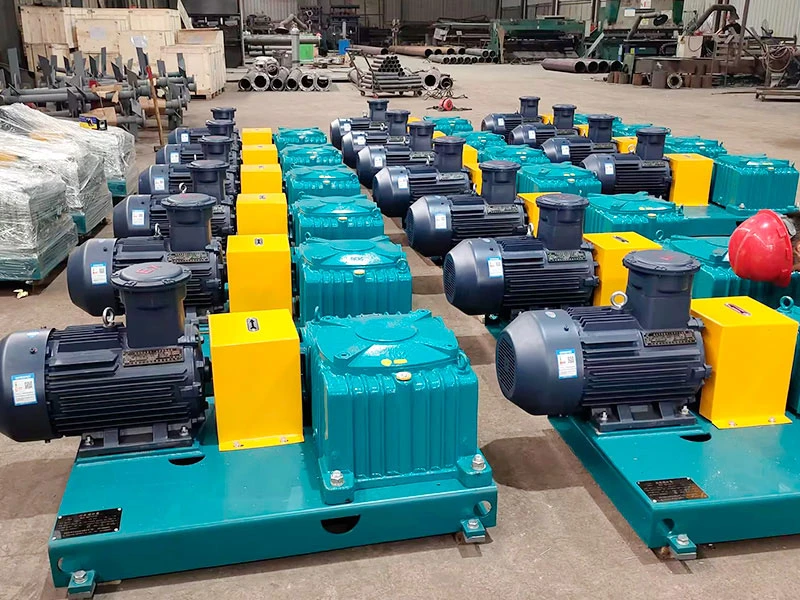
The impeller is the business end of the agitator. When selecting an impeller, remember this rule of thumb: Large diameter and moderate speed equals better suspension.
A small-diameter blade spinning at high speeds creates high shear but low circulation. This fails to keep the solid phase of the drilling fluid in suspension. To ensure the mud remains homogeneous throughout the tank, choose an impeller with a larger diameter that prioritizes volume displacement over shearing force.
4. Superior Sealing for Harsh Environments
The working conditions on a drilling rig are notoriously harsh. Traditional end-face seals or standard packing often fail prematurely, leading to messy and expensive oil leaks.
What to look for: The most successful modern designs use multiple sets of V-shaped packing.This specific sealing method offers:
- Self-Sealing Performance: It tightens under pressure.
- Self-Compensation: It adjusts as it wears down, reducing the need for manual maintenance.
- Zero Leakage: Ensures long-term operation without constant oil refills or adjustments.
Why Choose Xi’an HL Petroleum?
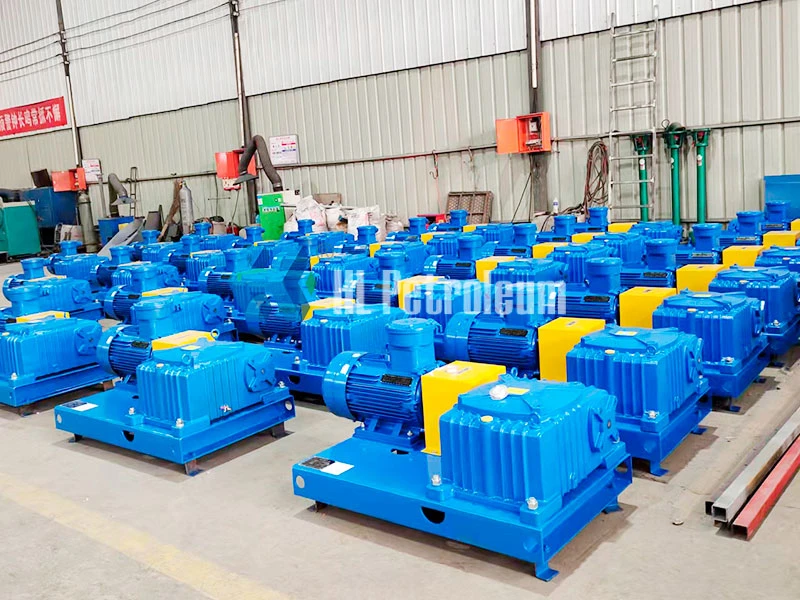
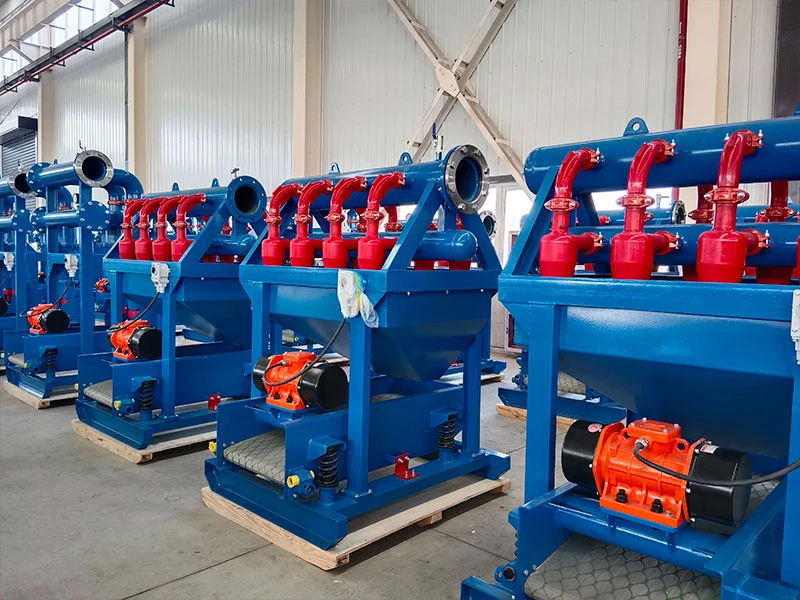
At Xi’an HL Petroleum, we specialize in designing and manufacturing high-performance solid control equipment tailored for the global oilfield industry.Our mud agitators and supporting mud tanks are built for durability, efficiency, and ease of installation.
- Factory Direct Sales: Get the best pricing without middleman markups.
- Short Delivery Times: We keep your project on schedule.
- Expert Support: Convenient debugging and installation assistance.
Ready to upgrade your solid control system? For technical consultations or a customized quotation, contact our expert team today.
- Email: [email protected]
- Website: www.solidscontrol.co

 Chat with Engineer