
In oil and gas drilling, maintaining high-quality drilling fluid is essential for efficient and safe operations. One of the key pieces of equipment used in solids control systems is the mud cleaner. But what exactly is a mud cleaner, and why is it so important?
This article provides a complete overview of mud cleaners, including their function, structure, working principle, and benefits in modern drilling operations.
What is a Mud Cleaner?
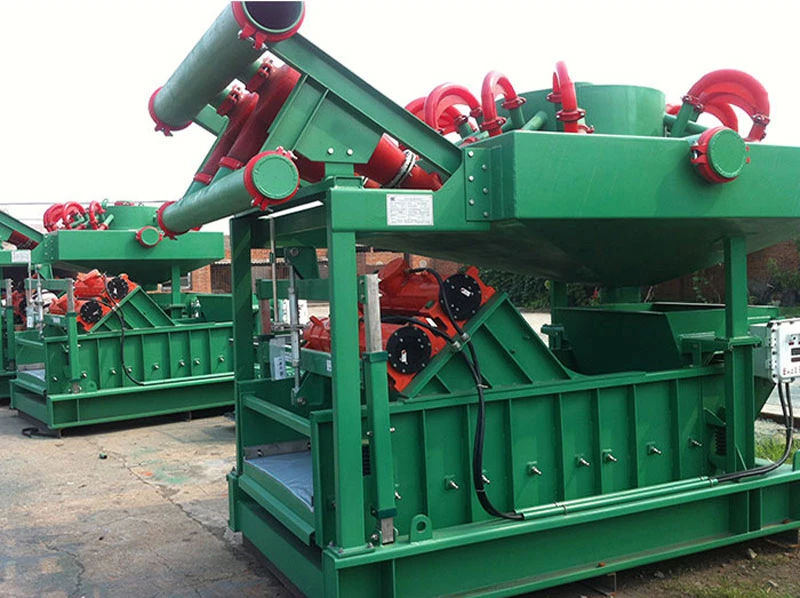
A mud cleaner is a combination of a desander, desilter, and a vibrating screen (shale shaker) mounted on a single unit. It is a critical component of the drilling fluid solids control system, designed to remove fine solids from drilling mud while minimizing fluid loss.
Mud cleaners further purify drilling fluid and improve its performance following primary solids control.
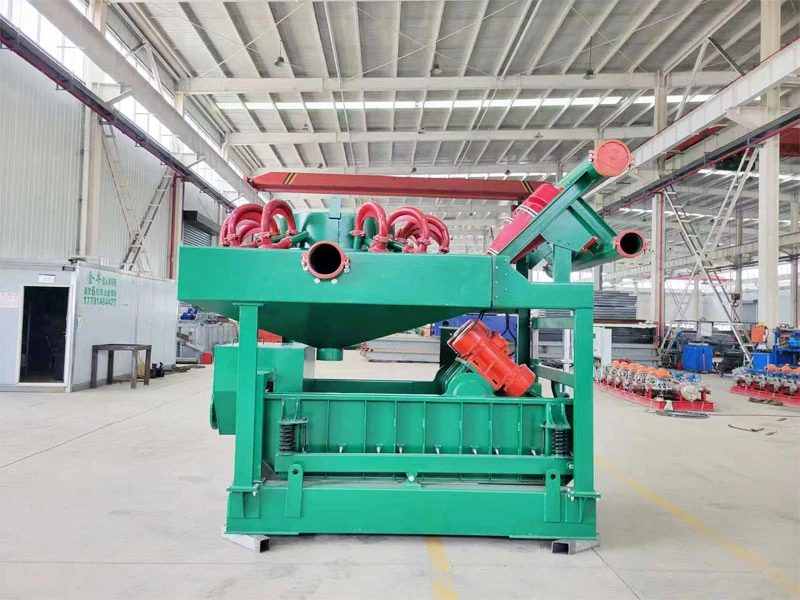
Main Components of a Mud Cleaner
A mud cleaner consists of three main parts:
1. Desander Cones
- Typically 8” or 10” hydrocyclones
- Remove solid particles in the range of 45–75 microns
- Positioned as the first stage of separation
2. Desilter Cones
- Smaller hydrocyclones (usually 4” or 5”)
- Remove finer particles (15–45 microns)
- Provide secondary cleaning
3. Shale Shaker Screen
- Vibrating screen located beneath the hydrocyclones
- Separates solids from discharged slurry
- Recovers valuable drilling fluid
How Does a Mud Cleaner Work?
The working process of a mud cleaner involves multiple stages:
- Drilling fluid enters the hydrocyclones
The mud is pumped into desander and desilter cones under pressure. - Centrifugal separation occurs
Solids are separated based on size and density using centrifugal force. - Underflow discharge to shaker screen
The separated solids are discharged onto a vibrating screen. - Fluid recovery and solids disposal
Clean mud passes through the screen and is reused, while solids are discarded.
This multi-stage process ensures efficient removal of both coarse and fine solids.
Key Advantages of Using a Mud Cleaner
1. Improved Drilling Fluid Quality
Removes fine solids that can degrade mud properties such as viscosity and density.
2. Reduced Drilling Costs
Recycling drilling fluid reduces the need for new mud materials.
3. Enhanced Drilling Efficiency
Cleaner mud improves drilling speed and reduces equipment wear.
4. Environmental Protection
Minimizes waste discharge and supports environmentally friendly drilling practices.
Applications of Mud Cleaners
Mud cleaners are widely used in:
- Oil and gas drilling rigs
- Horizontal directional drilling (HDD)
- Mining and tunneling projects
- Trenchless engineering
- Water well drilling
How to Choose the Right Mud Cleaner?
When selecting a mud cleaner, consider the following factors:
- Processing capacity (m³/h or GPM)
- Number and size of hydrocyclones
- Screen type and mesh size
- Power consumption
- Drilling conditions and mud type
Choosing the right model ensures optimal performance and cost efficiency.
Conclusion
A mud cleaner is an essential piece of solids control equipment that plays a vital role in maintaining drilling fluid quality. By combining desander, desilter, and shale shaker functions into one unit, it provides efficient, cost-effective, and environmentally friendly mud treatment.
If you are involved in drilling operations, investing in a high-quality mud cleaner can significantly improve your overall performance and reduce operational costs.
 Chat with Engineer