
Working Principle of a Shear Pump
A shear pump is a specialized device that shears polymers and clays in drilling fluid. Operators must thoroughly shear and mix polymers (or clays) before they enter the drilling fluid system to fully utilize their properties and optimize drilling fluid performance. Without shearing, the polymer drilling fluid can clog the shaker screen during circulation, resulting in significant polymer loss and increased drilling costs. It can also cause solid particles in the drilling fluid to harden and become difficult to remove.
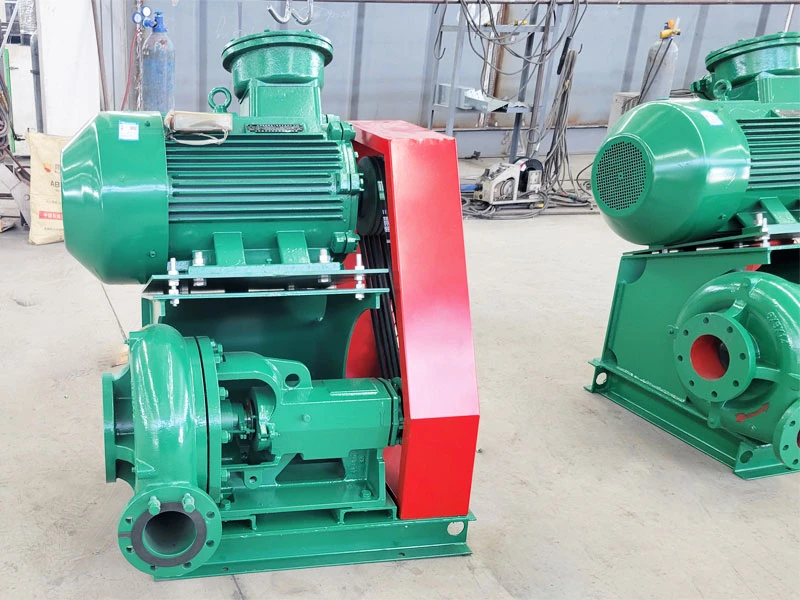
Working Principle of a Shear Pump
The shear pump impeller typically consists of a 300mm outer diameter stainless steel turbine (with guide vanes, a main impeller, multiple nozzles, and four collection chambers) and a shear plate. It generates a low-end shear (submerged shear) of 25.4 m/s. As the fluid flows through the shear pump, the intense propulsion of the turbine and collection chambers shears half of the fluid twice. The pump sits on a dedicated base, and a pulley drives it via a V-belt. It also includes a mixing hopper and a drilling fluid gun, providing a complete shearing and hydration system.
Note: The solid phase and barite in drilling fluid prevent using shear pumps for those fluids because they will quickly damage the shear pump turbine.
 Chat with Engineer