Failure Cause Analysis and Corrective Actions
1. Failure Cause Analysis
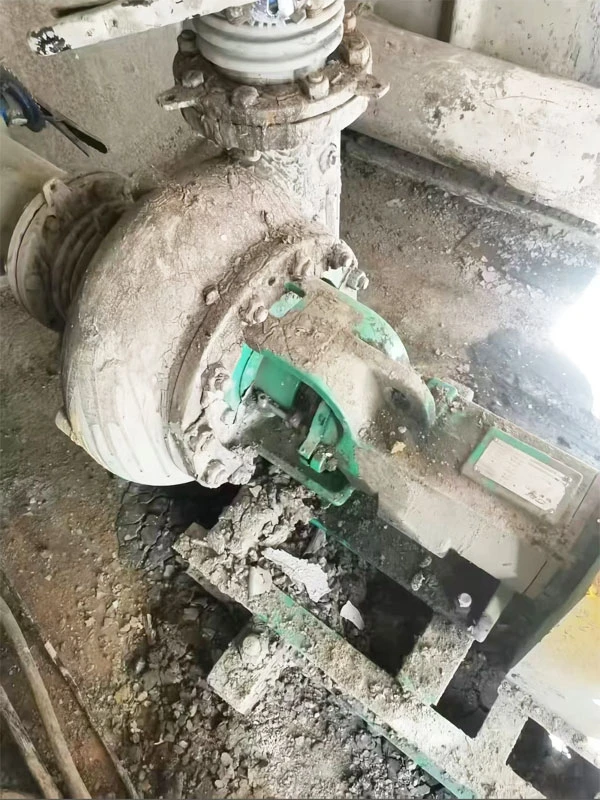
During shutdown and transportation of the sand pump, the pump casing and mechanical seal chamber were not flushed and cleaned. Residual drilling mud remained inside the pump and settled during the idle period, causing sediment accumulation and blockage of the mechanical seal chamber.
As a result, there was no circulating fluid inside the seal chamber to provide cooling and lubrication. The mechanical seal operated under dry-running conditions, generating excessive friction and heat, which ultimately led to mechanical seal burnout and failure.
2. Main Causes
2.1 Improper Operation
Before shutdown and transportation, the operator failed to flush the pump casing and mechanical seal chamber, violating standard operating procedures.
2.2 Inadequate Operational Control
Operators lacked sufficient awareness of the risks associated with mud sedimentation and mechanical seal dry running, leading to insufficient preventive actions.
2.3 Impact of Working Conditions
Drilling mud is prone to sedimentation and accumulation. When left stagnant, it can easily block narrow passages and chambers within the pump, particularly the mechanical seal chamber.
3. Corrective and Preventive Measures
3.1 Standardize Shutdown Procedures
Before shutting down, relocating, or transporting the sand pump, clean water must be used to thoroughly flush the pump chamber and mechanical seal chamber until only clean water is discharged and no drilling mud remains. Transportation may proceed only after confirming that all passages are clear and unobstructed.
3.2 Strengthen Inspection and Safety Briefings
Emphasize key operational requirements during pre-shift meetings and clearly communicate the flushing standards for mud pumps before shutdown. Assign designated personnel to inspect the mechanical seal chamber and flow passages before and after transportation to ensure they remain unobstructed.
3.3 Temporary Shutdown Management
When the equipment is temporarily out of service, periodically start the pump for a short duration or circulate clean water through the system to prevent mud sedimentation and blockage.
3.4 Emergency Failure Response
If a mechanical seal failure occurs, immediately stop the pump and disassemble the affected components. Thoroughly clean all accumulated mud from the mechanical seal chamber and flow passages, replace the damaged mechanical seal with a new one, and conduct a trial run before returning the pump to service.
Conclusion
This failure was primarily caused by the absence of proper flushing procedures before shutdown and transportation, which allowed drilling mud to settle and block the mechanical seal chamber. Strict adherence to shutdown cleaning procedures, enhanced operator training, and regular inspections are essential to prevent similar failures and extend the service life of sand pump mechanical seals.