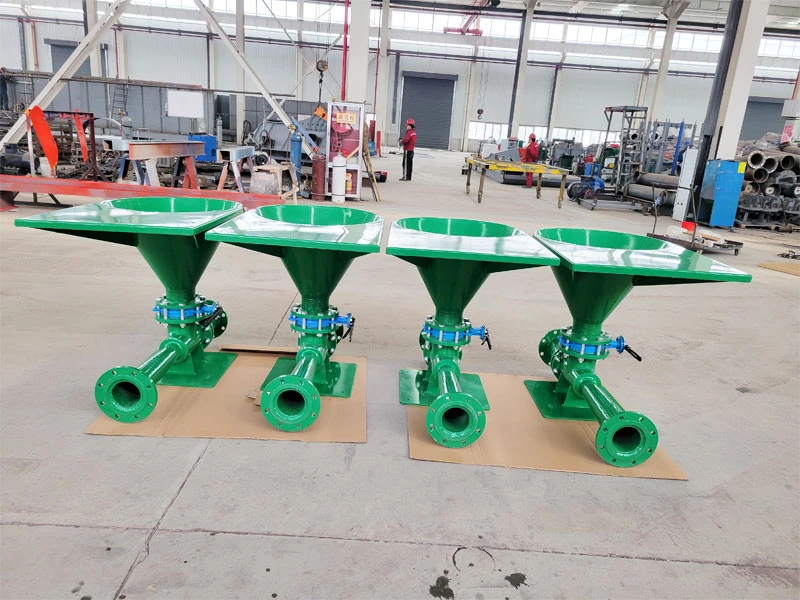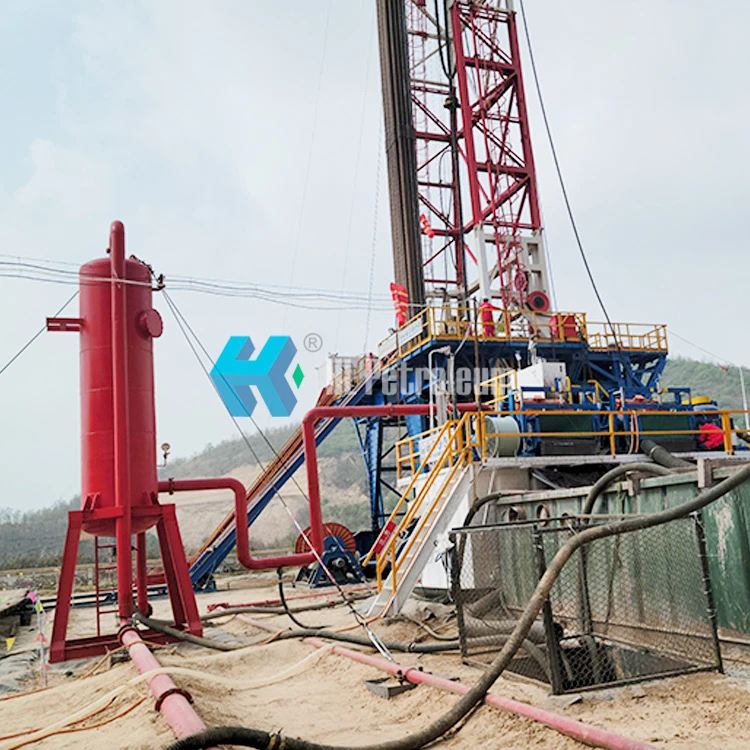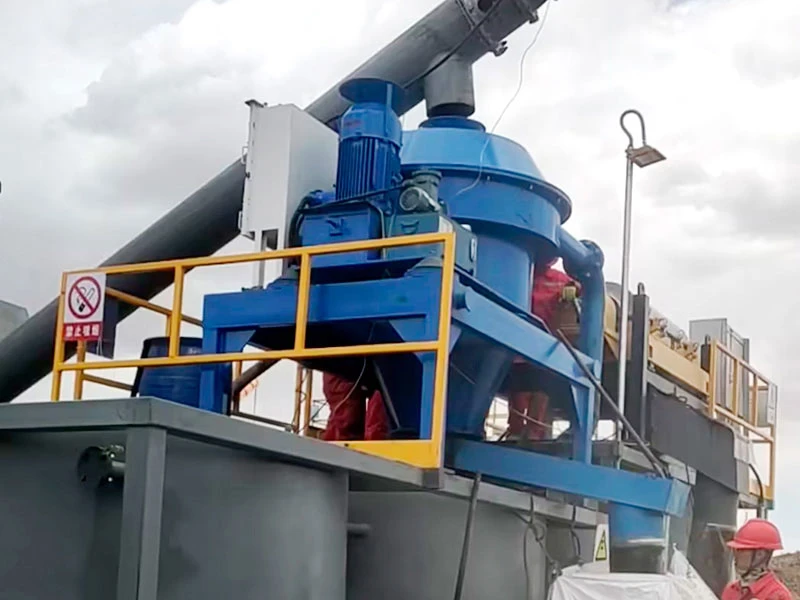
A mud tank is a core piece of solids control equipment used in oil and gas drilling operations for the storage, mixing, circulation, and preliminary treatment of drilling fluid (commonly called “mud”). It is not used to store crude oil or natural gas directly. Instead, it plays a critical role in maintaining efficient drilling fluid circulation and ensuring well control safety.
Functions of Mud Tanks in Oil & Gas Drilling
During oil and gas drilling operations, the mud tank receives drilling fluid returning from the wellbore carrying drilled cuttings and solids. Through gravity settling and supporting solids control equipment such as shale shakers, desanders, desilters, and decanter centrifuges, the drilling fluid is progressively purified.
At the same time, the mud tank system helps operators:
- Adjust drilling fluid properties such as density and viscosity
- Store and circulate drilling mud for continuous reuse
- Maintain well pressure balance
- Cool and lubricate the drill bit
- Carry drilled cuttings out of the wellbore
- Improve overall drilling efficiency and safety
As an essential part of the drilling fluid circulation system, mud tanks directly support stable and safe drilling operations.
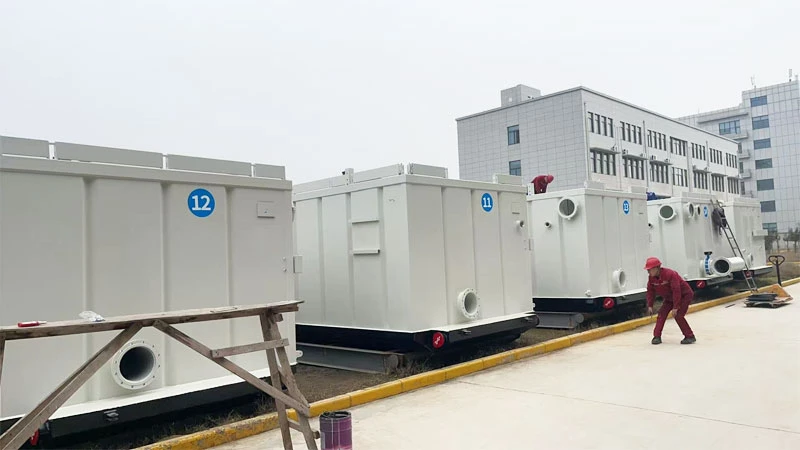
Structure and Types of Mud Tanks
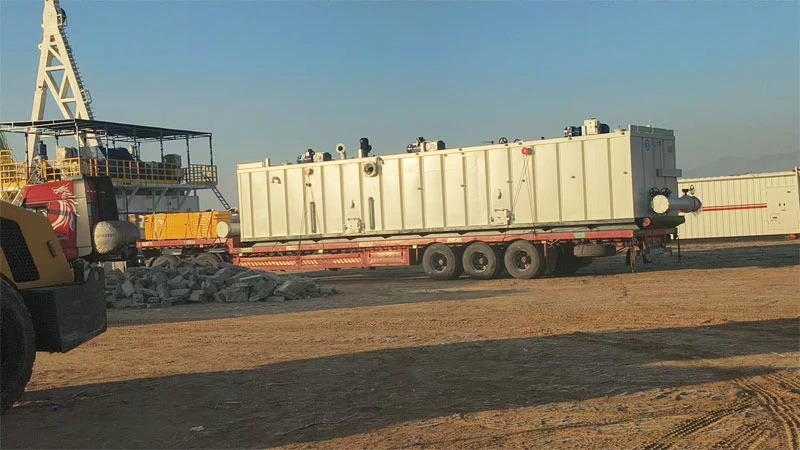
Mud tanks are typically manufactured as steel skid-mounted or trailer-mounted units with capacities ranging from 50 m³ to 300 m³, depending on drilling requirements.
Common types include:
- Mud storage tanks
- Mixing tanks
- Sand settling tanks
- Suction tanks
- Intermediate tanks
Most mud tanks are designed as atmospheric pressure vessels and equipped with:
- Mud agitators
- Anti-settling devices
- Walkways and ladders
- Manholes
- Pipelines and valves
- Electrical control systems
Modular designs allow easy transportation, installation, and integration into different drilling rigs and solids control systems.
Relationship Between Mud Tanks and Oil & Gas
Mud tanks process drilling fluids rather than crude oil or natural gas. The drilling fluid may be water-based mud (WBM), oil-based mud (OBM), or synthetic-based mud (SBM).
Their primary purpose is to support drilling operations by:
- Preventing blowouts
- Stabilizing the wellbore
- Transporting drill cuttings
- Maintaining hydrostatic pressure
- Enhancing drilling performance
Although mud tanks do not produce hydrocarbons directly, they are indispensable equipment in oil and gas drilling projects.
Environmental Protection and Industry Trends
Modern oilfields increasingly adopt “zero discharge” or “non-ground discharge” mud treatment systems to meet environmental regulations. In these systems, mud tanks work together with solids control equipment to achieve efficient solid-liquid separation and recycling of drilling fluids.
Current industry trends include:
- Intelligent monitoring systems
- Modular tank structures
- Automated mud mixing
- Self-cleaning technology
- Energy-saving designs
These innovations improve operational efficiency, reduce waste discharge, and lower overall drilling costs.
Conclusion
A mud tank itself does not contain or produce oil or natural gas. Instead, it serves as an essential circulation and treatment platform in oil and gas drilling operations. As a core component of the drilling mud tank system, the mud tank ensures safe, efficient, and environmentally compliant drilling fluid management throughout the entire drilling process.