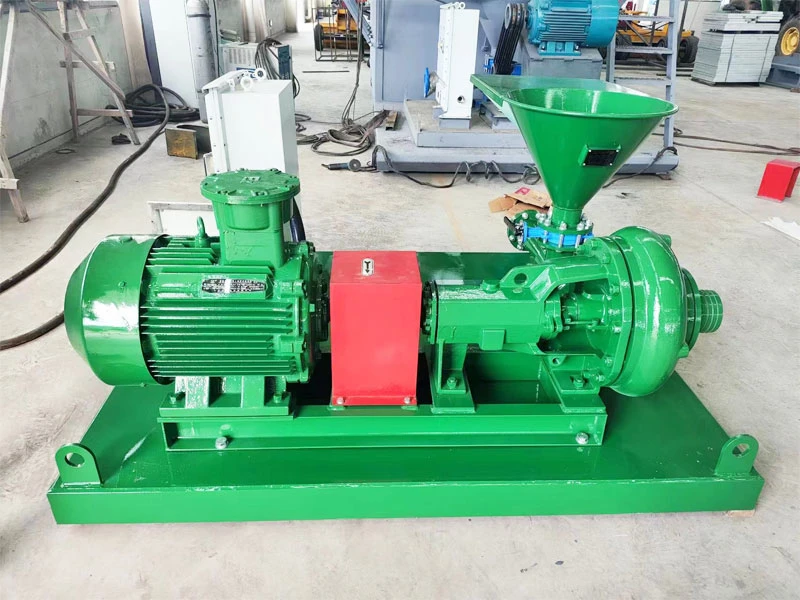
Importance of Desander in Drilling Fluid System!In modern oilfield drilling operations, maintaining clean and stable drilling fluid is critical for drilling efficiency, wellbore stability, and equipment protection. One of the most important pieces of equipment in a solids control system is the desander. Although often positioned after the shale shaker, the desander plays a vital role in removing harmful drilled solids from drilling mud before they can damage downstream equipment or reduce drilling performance.
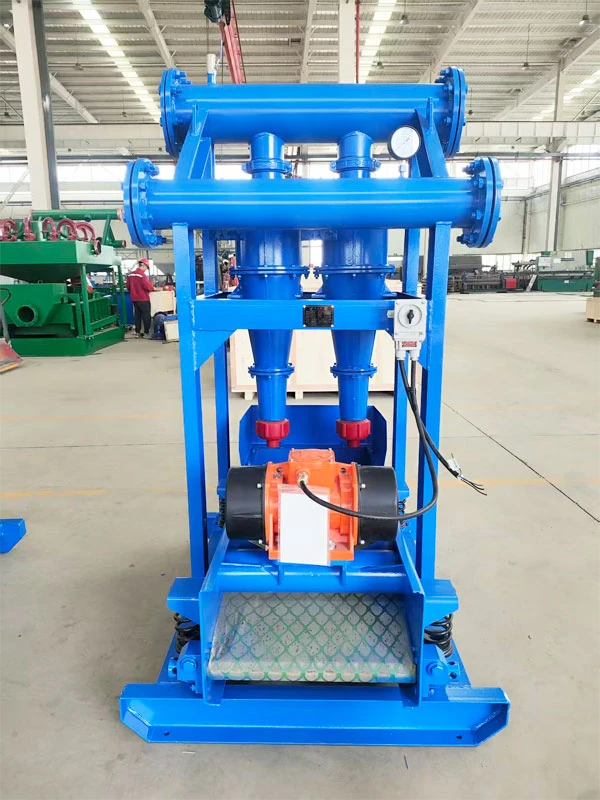
Why Is Desander Important in Drilling Fluid System?
1. Removes Harmful Solids from Drilling Mud
During drilling operations, the drilling fluid continuously carries drilled cuttings from the wellbore to the surface. If these solids are not removed efficiently, they can accumulate in the mud system and negatively affect drilling performance.
The desander removes abrasive sand-sized particles before they enter downstream equipment, reducing solid contamination in the mud.
Benefits include:
- Cleaner drilling fluid
- Reduced mud weight fluctuation
- Better rheological properties
- Improved drilling efficiency
2. Protects Downstream Equipment
Large amounts of abrasive solids can severely damage drilling equipment such as:
- Mud pumps
- Centrifugal pumps
- Mud agitators
- Desilters
- Decanter centrifuges
By removing sand particles early in the circulation process, the desander helps reduce wear and extends equipment service life.
This directly lowers maintenance costs and reduces downtime on drilling sites.
3. Improves Drilling Efficiency
Clean drilling fluid contributes to faster and safer drilling operations. Excessive solids in drilling mud can increase:
- Mud viscosity
- Pump pressure
- Torque and drag
- Bit wear
A properly functioning desander helps maintain optimal mud properties, allowing smoother circulation and better hole cleaning performance.
As a result, drilling efficiency improves while operational risks decrease.
4. Reduces Drilling Fluid Cost
Drilling mud is one of the most expensive consumables in drilling operations. When solids are not properly controlled, operators may need to frequently dilute or replace the drilling fluid.
Using a desander helps:
- Reduce mud loss
- Minimize chemical consumption
- Lower dilution requirements
- Extend mud service life
This significantly reduces the overall drilling fluid cost, especially in long-term drilling projects.
5. Enhances Solids Control System Performance
The desander is a key stage in the complete solids control process.
Typical solids control sequence:
- Shale Shaker
- Desander
- Desilter
- Mud Cleaner
- Decanter Centrifuge
Without a desander, excessive medium-sized particles may overload downstream equipment and reduce the efficiency of the entire solids control system.
Proper desander operation ensures balanced solids removal throughout the system.
The drilling fluid desander is an essential component in any drilling fluid solids control system. By removing harmful sand-sized particles from drilling mud, it protects drilling equipment, improves drilling efficiency, reduces operational costs, and maintains stable mud properties.
Whether used in oilfield drilling, HDD projects, or mud recycling systems, a high-quality desander plays a critical role in ensuring safe and efficient drilling operations.
For drilling contractors and solids control companies, investing in an efficient desander system can greatly improve overall project performance and reduce long-term operating costs.