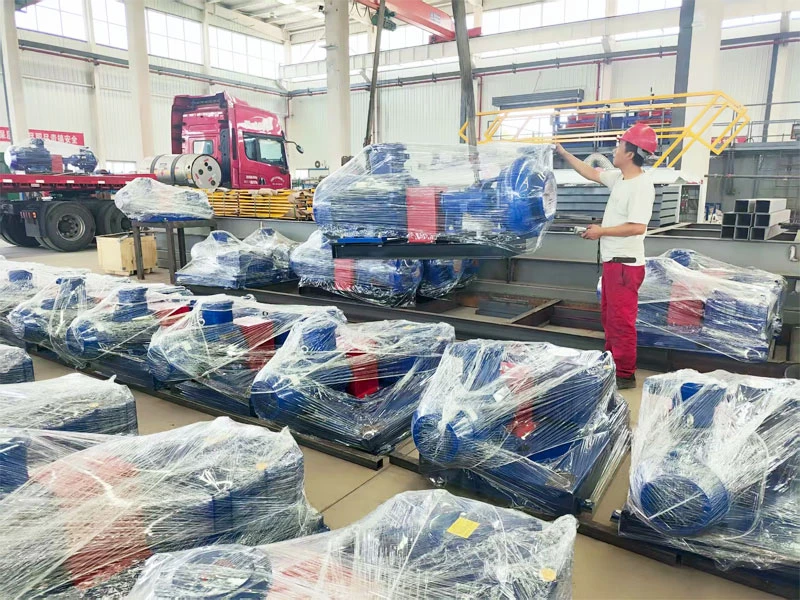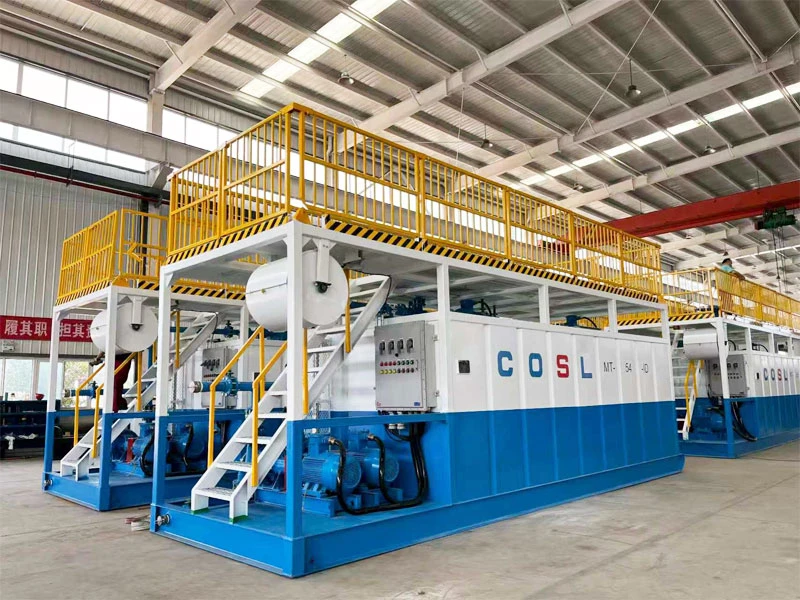
Skid Mounted Mud Tank for sale

Skid Mounted Mud Tank vs Trailer Mounted Tank: Which One Is Better for Your Drilling Project?

In modern drilling operations, choosing the right mud tank configuration is critical for improving drilling efficiency, reducing transportation costs, and simplifying site installation. Two of the most common options are Skid Mounted Mud Tanks and Trailer Mounted Mud Tanks. Although both are widely used in oil & gas drilling, HDD drilling, water well drilling, and […]

Skid Mounted Mud Tank vs Trailer Mounted Tank: Which One Is Better for Your Drilling Project? Read More »

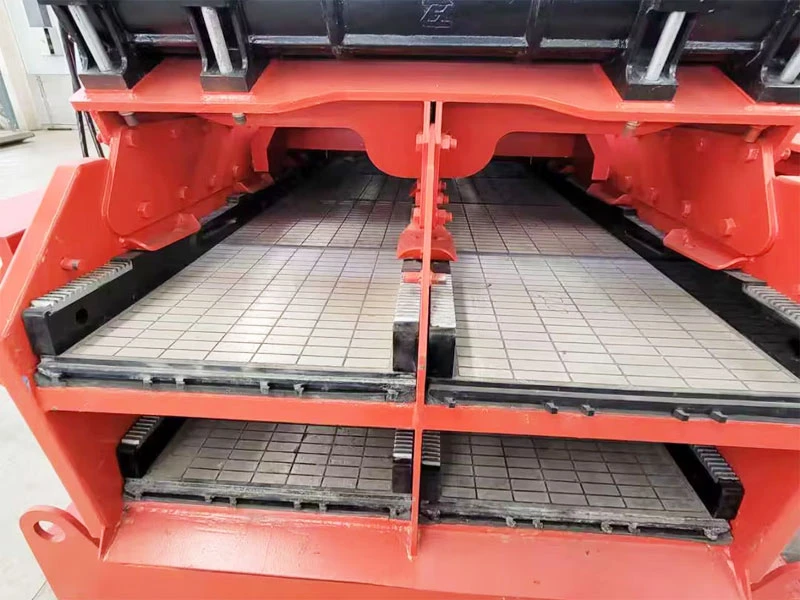
shale shaker foe sale

Dual Motion Shale Shaker vs Linear Motion Shaker: Which One Is Better for Drilling Operations?

In modern oil & gas drilling solids control systems, the shale shaker is the first and most important stage of drilling fluid processing. Its performance directly affects mud recovery, drilling efficiency, and the lifespan of downstream equipment such as desanders, desilters, and decanter centrifuges. Among various shaker technologies, two common options are the Dual Motion

Dual Motion Shale Shaker vs Linear Motion Shaker: Which One Is Better for Drilling Operations? Read More »

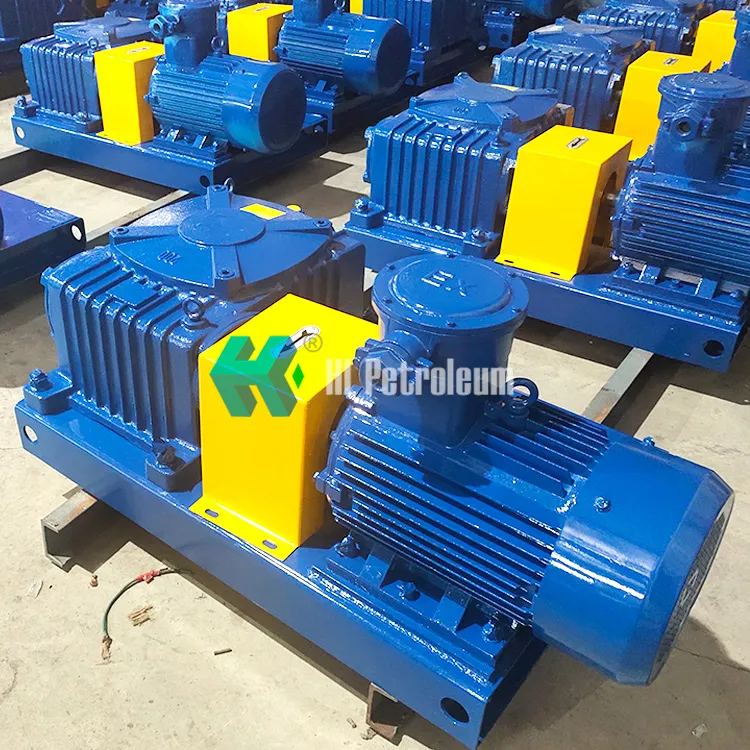
jet mud mixer for sale

Jet Mud Mixer vs Mud Agitator: What’s the Difference in Drilling Fluid Systems?

In oilfield drilling operations, maintaining stable drilling fluid performance is critical for well control, cuttings transport, lubrication, and overall drilling efficiency. Two commonly used pieces of equipment in a solids control system are the jet mud mixer and the mud agitator. Although both are related to drilling fluid mixing, they serve very different purposes and

Jet Mud Mixer vs Mud Agitator: What’s the Difference in Drilling Fluid Systems? Read More »

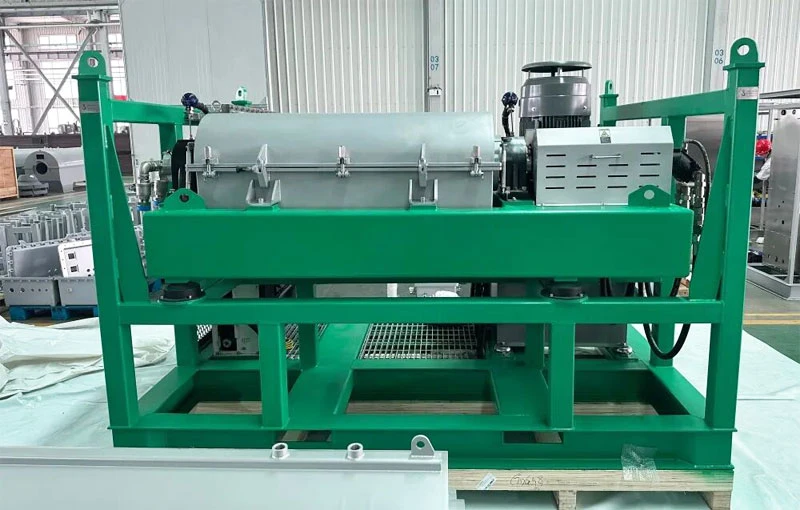
desander for sale

Desander vs. Mud Cleaner: Optimizing Second and Third-Stage Solids Control

In high-performance drilling operations, managing solids accumulation directly impacts your rate of penetration (ROP), tool life, and overall fluid costs. As mud returns from the wellbore, it carries various sizes of drilled cuttings. While primary shale shakers remove large particles, ultra-fine sand and silt remain suspended in the fluid. To eliminate these smaller particles, mud

Desander vs. Mud Cleaner: Optimizing Second and Third-Stage Solids Control Read More »

well control equipment

Vacuum Degasser vs. Mud Gas Separator: What’s the Difference?

In drilling operations, high-pressure gas formations often invade the drilling fluid—a phenomenon engineers call “gas-cut mud.” If you fail to remove this entrained gas immediately, it reduces mud density, compromises hydrostatic pressure, and can lead to catastrophic well control issues like kicks or blowouts. To safeguard the rig and maintain mud properties, operators deploy two

Vacuum Degasser vs. Mud Gas Separator: What’s the Difference? Read More »

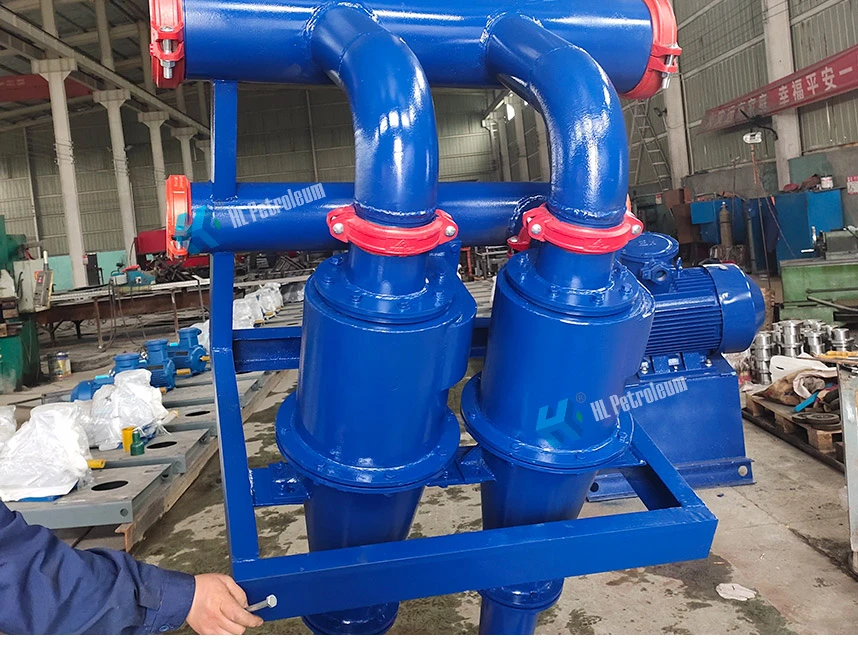
HL Petroleum Desilter for drilling mud

Mud Cleaner vs. Desilter: How to Choose the Right Solids Control Equipment for Your Rig

In oil and gas drilling, trenchless HDD, or mining operations, maintaining the property of drilling fluids (mud) is paramount to drilling efficiency, equipment lifespan, and cost reduction. As drilling mud recirculates, fine drilled solids accumulate, which can severely degrade mud performance if not properly managed. To tackle these fine particles, mud engineers rely on third-stage

Mud Cleaner vs. Desilter: How to Choose the Right Solids Control Equipment for Your Rig Read More »