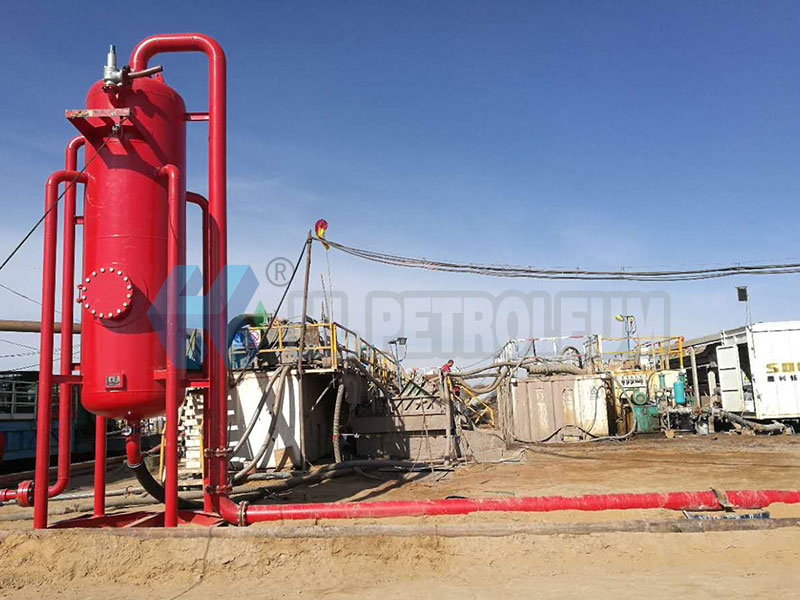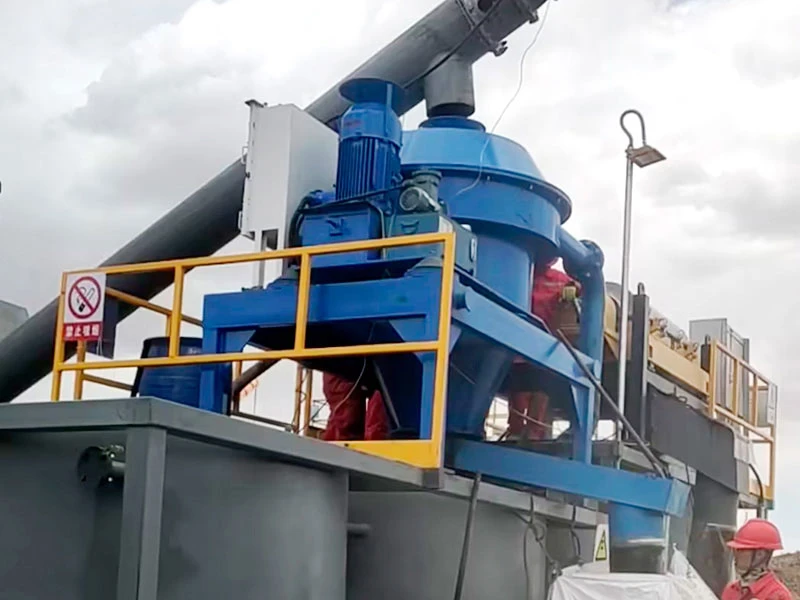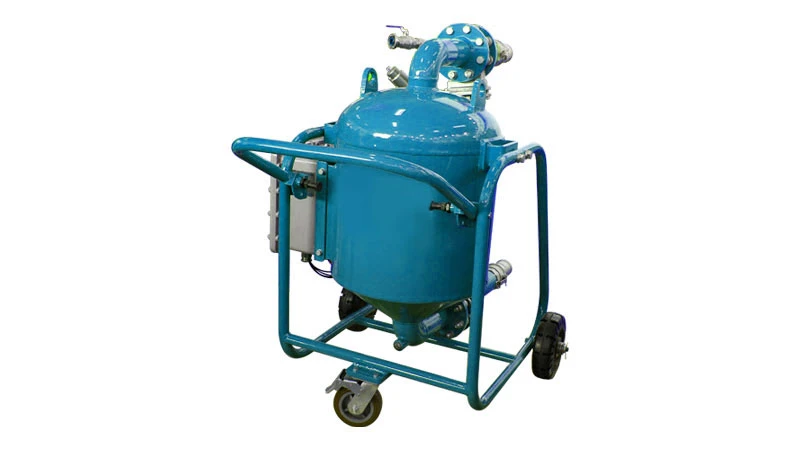
As environmental regulations become increasingly strict in the oil and gas drilling industry, the proper treatment and disposal of drilling waste has become an essential part of modern drilling operations. Among the various types of equipment used in drilling waste management systems, the environmental drilling waste treatment shale shaker plays an important role in separating solids from liquid and reducing the volume of waste requiring further treatment.
Unlike conventional shale shakers used primarily for drilling fluid solids control, an environmental drilling waste treatment shale shaker is designed to process drilling cuttings, waste drilling fluid, oily sludge, and other drilling waste streams. Its main purpose is to recover reusable liquid, remove solid particles, and improve the efficiency of subsequent waste treatment processes.
What Is an Environmental Drilling Waste Treatment Shale Shaker?
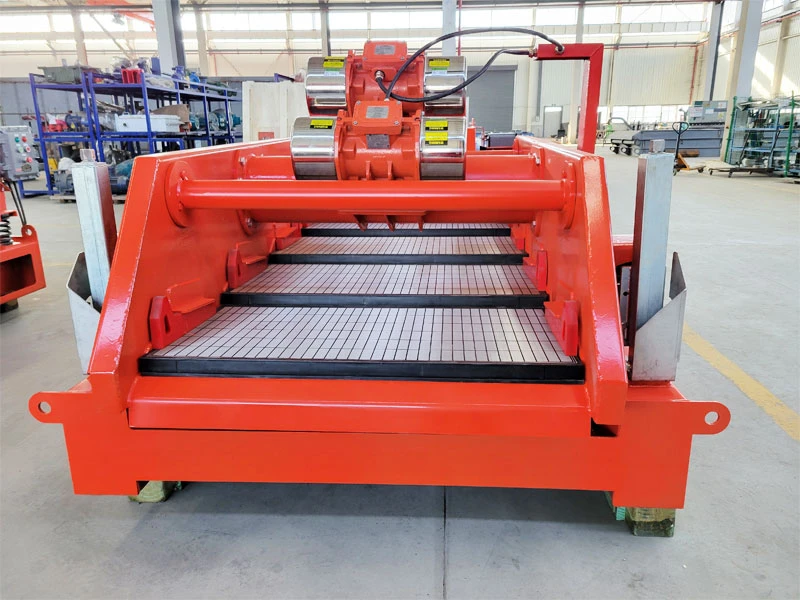
An environmental drilling waste treatment shale shaker is a vibrating screening and solid-liquid separation device designed for the treatment of drilling waste.
During drilling operations, rock cuttings are carried to the surface by drilling fluid. After passing through the primary solids control system, some cuttings may still contain a significant amount of drilling fluid, oil, and water. These contaminated cuttings cannot always be directly transported or disposed of.
The environmental shale shaker uses high-frequency or controlled vibration to move drilling waste across a screening surface. The liquid and fine particles pass through the screen openings, while larger solid particles are transported toward the discharge end.
This process can help:
- Reduce liquid content in drilling cuttings
- Recover valuable drilling fluid
- Reduce the volume of waste
- Improve downstream treatment efficiency
- Lower transportation and disposal costs
- Support cleaner drilling operations
Why Is a Shale Shaker Important for Drilling Waste Treatment?
Drilling waste can contain a mixture of rock cuttings, drilling fluid, water, oil, chemicals, and fine solids. If these components are not effectively separated, waste treatment becomes more complicated and expensive.
A properly designed environmental drilling waste treatment shale shaker provides an initial separation stage before processes such as centrifugation, drying, thermal treatment, or waste stabilization.
The basic treatment concept can be summarized as:
Drilling Waste → Screening & Solid-Liquid Separation → Liquid Recovery + Solid Discharge → Further Treatment
By removing free liquid at an early stage, the system can significantly reduce the workload of downstream equipment.
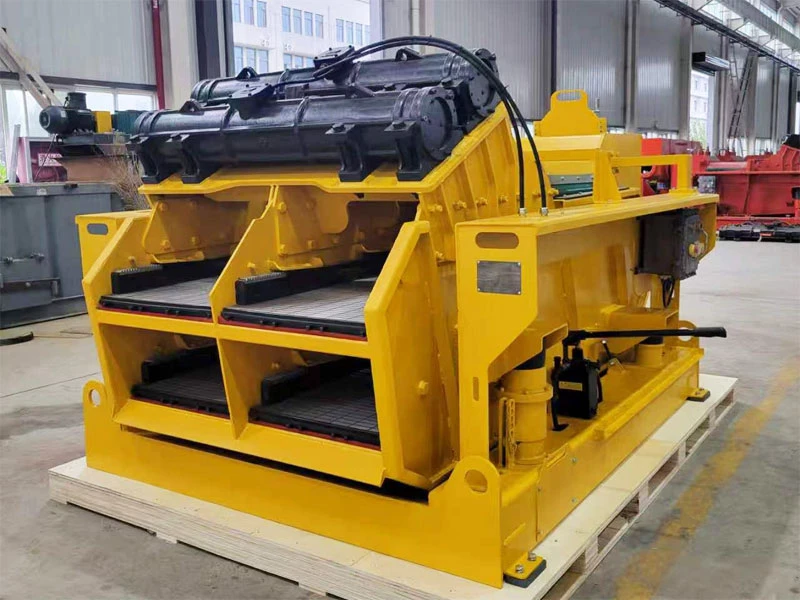
Working Principle of an Environmental Shale Shaker
The working principle is based on vibration and mechanical screening.
1. Waste Feeding
Drilling waste is continuously introduced into the shaker feed inlet. Depending on the application, the feed material may include wet drilling cuttings, spent drilling fluid, oily cuttings, or mixed drilling waste.
2. Vibrating Screening
The vibration motor or vibration excitation system generates controlled motion of the screen deck.
As waste moves across the screen surface, the shaker separates materials according to particle size and physical characteristics.
3. Liquid Recovery
Liquid and smaller particles pass through the openings of the screen.
The recovered liquid can then be collected and transferred to a treatment tank or returned to the appropriate part of the drilling waste management system.
4. Solid Discharge
Larger solid particles remain above the screen and are transported toward the discharge end.
The discharged cuttings can then undergo additional treatment, such as:
- Cuttings drying
- Centrifugal separation
- Thermal desorption
- Chemical stabilization
- Solidification
- Transportation for approved disposal
Key Features of Environmental Drilling Waste Treatment Shale Shakers
Compared with conventional screening equipment, environmental waste treatment shakers generally require stronger adaptability to difficult feed materials.
High-Efficiency Solid-Liquid Separation
The shaker strips free liquid from wet drilling waste while retaining and conveying larger solid particles across the deck.
This can help reduce the moisture and liquid content of discharged cuttings.
Heavy-Duty Construction
Drilling waste may contain abrasive rock particles and sticky materials. Therefore, the equipment should use a robust frame and wear-resistant components suitable for continuous field operation.
Replaceable Screen Panels
Screen panels are critical components of the separation process. Different mesh sizes can be selected according to feed characteristics and required separation performance.
Quick screen replacement can also simplify field maintenance.
Adjustable Vibration Parameters
Different drilling waste streams have different characteristics. Adjustable vibration parameters can help operators optimize material conveyance and separation performance.
Enclosed or Controlled Operation
For environmentally sensitive applications, engineers can integrate the equipment into an enclosed waste treatment system that actively controls dust, prevents splashing, and eliminates exposure to contaminated materials.
Applications
Environmental drilling waste treatment shale shakers perform across a wide variety of drilling and waste management applications.
Oil and Gas Drilling
This equipment integrates seamlessly into drilling waste management systems to process contaminated cuttings and recover valuable drilling fluid.
Horizontal Directional Drilling
HDD projects generate large quantities of drilling slurry and separated solids. Screening equipment can be used as part of a mud recycling and waste reduction system.
Geothermal Drilling
Geothermal drilling produces rock cuttings and drilling fluid that may require separation before further processing or disposal.
CBM and Water Well Drilling
Coalbed methane and water well drilling operations can also generate solid-liquid mixtures that require efficient separation.
Centralized Drilling Waste Treatment
For large drilling projects, a centralized treatment system collects and processes multiple waste streams through integrated screening, separation, drying, and secondary waste treatment equipment.
Environmental Benefits
The use of an environmental drilling waste treatment shale shaker is not simply about solid-liquid separation. It can also contribute to more sustainable drilling operations.
Reduced Waste Volume
Dewatering drilling cuttings significantly reduces the total volume of waste requiring transport and off-site disposal.
Reduced Transportation Costs
Lower waste volume and reduced liquid content can make transportation and disposal more efficient.
Improved Fluid Recovery
Where the recovered liquid is suitable for further treatment or reuse, the shaker can help reduce the loss of drilling fluid.
Better Downstream Treatment
Removing free liquid and coarse solids before downstream processing can improve the operating conditions of centrifuges, dryers, thermal treatment systems, and other equipment.
Improved Site Cleanliness
A properly designed waste handling system can reduce uncontrolled accumulation of wet cuttings and drilling waste around the drilling site.
Environmental Shale Shaker vs. Conventional Mud Shale Shaker
Although both types of equipment use vibrating screens, their application objectives can be different.
| Item | Conventional Mud Shale Shaker | Environmental Waste Treatment Shale Shaker |
|---|---|---|
| Main purpose | Drilling fluid solids control | Drilling waste treatment |
| Typical feed | Drilling fluid + cuttings | Wet cuttings + waste fluid |
| Primary objective | Remove drilled solids | Reduce waste liquid and recover usable liquid |
| Application stage | Primary solids control | Waste management / treatment |
| Design focus | Drilling fluid recovery | Waste reduction and environmental management |
| Downstream equipment | Mud cleaner, centrifuge, mud tank | Dryer, centrifuge, thermal treatment, disposal system |
Operators choose the ideal equipment configuration by evaluating five key factors: drilling waste composition, moisture content, particle size distribution, treatment capacity, and environmental requirements.
How to Select the Right Environmental Drilling Waste Treatment Shale Shaker
Choosing the right equipment requires more than simply selecting a shaker according to processing capacity.
1. Determine the Waste Characteristics
Important parameters include:
- Solid particle size
- Liquid content
- Oil content
- Mud viscosity
- Clay content
- Abrasiveness
- Temperature
- Chemical composition
These factors directly affect screen selection and vibration parameters.
2. Consider Processing Capacity
The equipment should be capable of handling the maximum expected waste flow rather than only the average flow rate.
An insufficiently sized shaker may cause material accumulation and reduce treatment efficiency.
3. Select the Appropriate Screen
Screen opening size and screen type have a major influence on separation performance.
A finer screen may improve liquid recovery but can increase the risk of blinding when processing sticky or high-clay-content materials.
4. Consider Wear Resistance
When drilling waste contains highly abrasive formation cuttings, wear-resistant materials and replaceable wear components are particularly important.
5. Evaluate the Complete Waste Treatment System
A shale shaker should not be considered as an isolated piece of equipment.
For higher treatment efficiency, it may be integrated with:
Shale Shaker + Mud Tank + Centrifugal Pump + Decanter Centrifuge + Cuttings Dryer + Waste Collection System
Depending on the project, additional equipment may also be required.
Integration with a Drilling Waste Management System
An environmental drilling waste treatment shale shaker can serve as an important separation stage in a complete drilling waste management system.
A typical process may include:
Drilling Cuttings → Waste Collection → Shale Shaker → Fine Solid Separation → Centrifuge / Cuttings Dryer → Final Treatment or Disposal
The system collects the recovered liquid for further treatment while transferring the separated solids to subsequent processing equipment.
This integrated approach allows drilling contractors to manage waste more systematically instead of relying on simple collection and transportation.
Maintenance Recommendations
Regular maintenance is essential for stable operation.
Operators should regularly inspect:
- Screen panels
- Vibrating motors
- Bearings
- Springs
- Feed hopper
- Discharge chute
- Bolted connections
- Sealing components
- Wear plates
Screen panels should be cleaned regularly to prevent blockage and maintain effective screening.
Inspect the vibration system according to the manufacturer’s maintenance schedule. Investigate any abnormal vibration, unusual noise, excessive temperature, or uneven material movement promptly.
Conclusion
The environmental drilling waste treatment shale shaker is an important piece of equipment for modern drilling waste management. By efficiently separating liquid from solid drilling waste, it can help recover valuable drilling fluid, reduce waste volume, improve downstream treatment efficiency, and support more environmentally responsible drilling operations.
Oil and gas companies, drilling contractors, HDD contractors, geothermal projects, and centralized waste treatment facilities should evaluate five key factors when choosing a shaker: waste characteristics, processing capacity, screen requirements, separation objectives, and the overall treatment process.
When properly integrated with equipment such as decanter centrifuges, cuttings dryers, mud tanks, and waste collection systems, an environmental shale shaker can become an effective part of a complete drilling waste management and solids control solution.