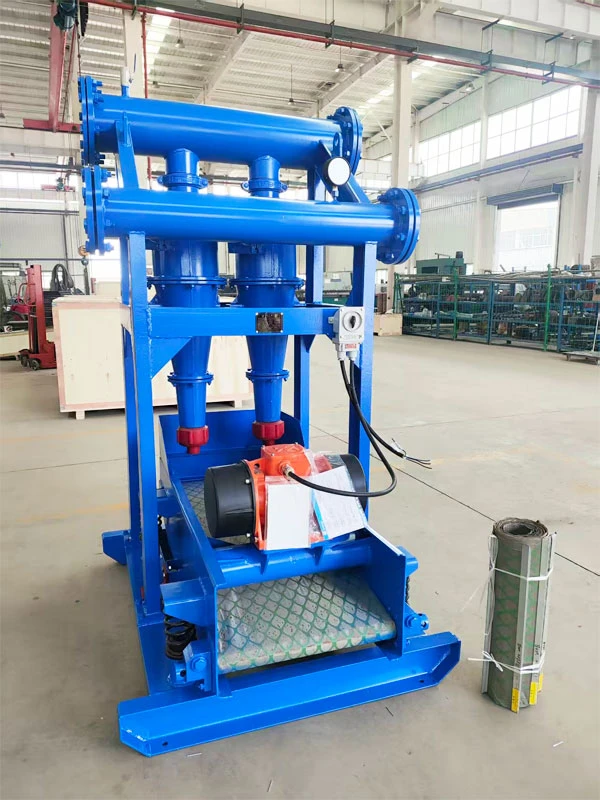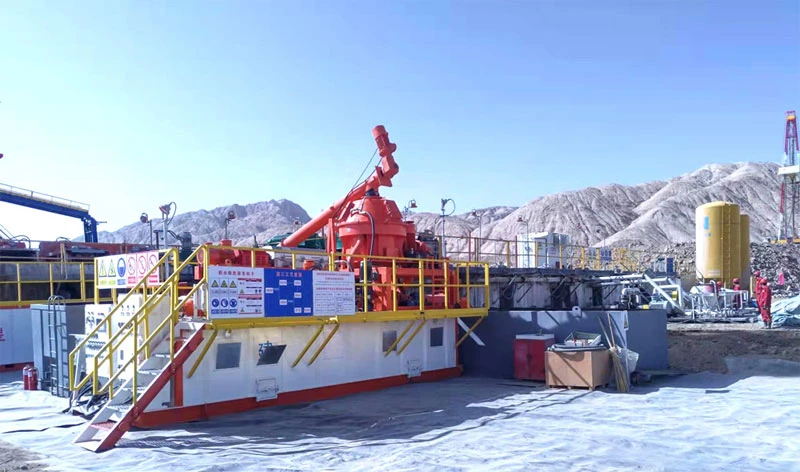
In the world of Municipal Infrastructure, Gas Pipeline Installation, and Telecom Ducting, Horizontal Directional Drilling (HDD) is the preferred method for minimizing surface disruption. However, project managers often face a critical dilemma when sourcing mud tanks:
The job site is restricted to a narrow utility corridor or a tight urban backyard. Local regulations prohibit road closures, and the project demands “rig-in and drill” within 24 hours. Yet, standard oilfield tanks are too large, and simply shrinking them often leads to settling issues and pump cavitation.
The core challenge is this: How do you maintain high solids control efficiency in a small footprint while ensuring the system can be moved quickly between frequent road crossings?
The solution is not merely “downsizing” an oilfield tank; it is a fundamental redesign for mobility and integration. This guide explains how to achieve true “Compact Mobility” for your HDD mud system.
1. Defining the Requirement: Why HDD Tanks Are Not “Small Oilfield Tanks”
Oil and gas drilling rigs utilize massive 200–2000 BBL (32–320 m³) tank systems with complex, multi-stage solids control. HDD operations, conversely, are defined by two constraints:
- Short Project Cycles: Crossings range from 100 meters to 2 km, typically requiring processing rates of 10–100 m³/h.
- High Relocation Frequency: Urban and suburban projects may require moving the rig and tanks multiple times a week.
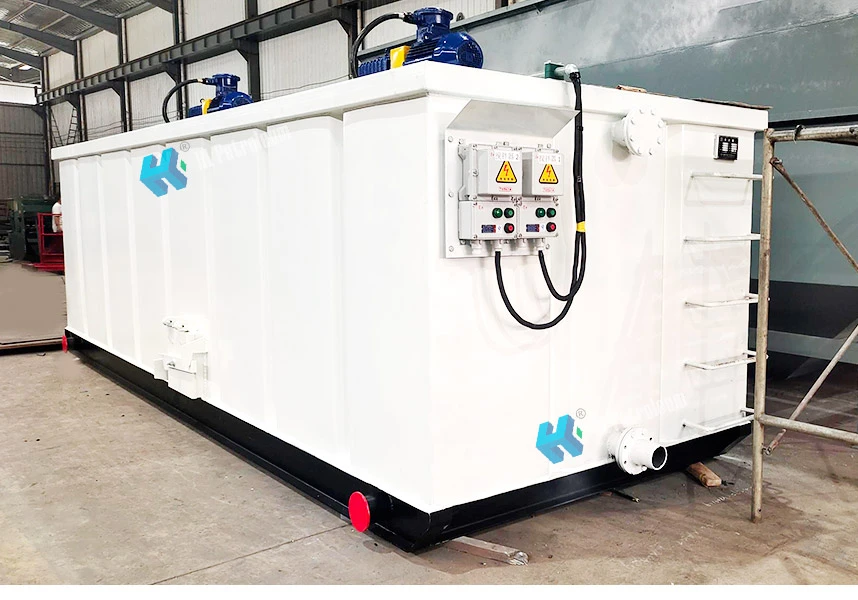
Therefore, HDD-specific mud tanks usually range from 2–20 m³ per unit. The goal is to create a modular system that functions as a single, integrated unit rather than a collection of separate vessels.
Contextual Keywords:Compact HDD Mud Recycling System,Trailer Mounted Mud Tank,Skid Steer Mud Tank.
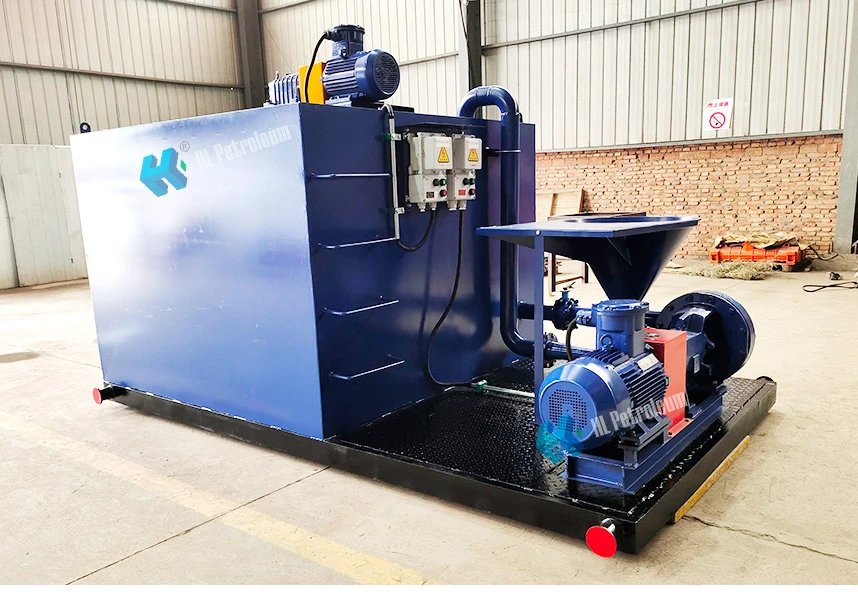
2. The Core Conflict: Size vs. Stability
Simply reducing the length, width, and height of a standard tank creates operational nightmares. In a small tank, the “dead zone” volume increases proportionally, leading to rapid settling of barite and drilled cuttings.
To solve this, you must focus on three structural pillars:
A. Structural Format: Skid-Mounted vs. Trailer-Mounted
This is the primary determinant of your site mobility.
|
Feature
|
Skid-Mounted Mud Tanks
|
Trailer-Mounted Mud Tanks
|
|---|---|---|
|
Transport Mode
|
Forklift/Crane + Flatbed Truck
|
Pickup Truck Towing (Self-propelled)
|
|
Site Entry Speed
|
Moderate (requires lifting gear)
|
Fast (drive, park, and connect hoses)
|
|
Typical Capacity
|
5–20 m³ (Rigid, robust)
|
3–10 m³ (Road-legal axle limits)
|
|
Structural Strength
|
High (suitable for rough terrain)
|
Standard (designed for paved roads)
|
|
Best For
|
Suburban/Agricultural; Longer bores
|
Urban centers; High-frequency relocation
|
Rule of Thumb:
- If your crossing is < 500m and you move sites > 3 times a month, choose Trailer-Mounted.
- If you are drilling large diameters requiring desanders/desilters, choose Skid-Mounted modules that can be linked together on-site.
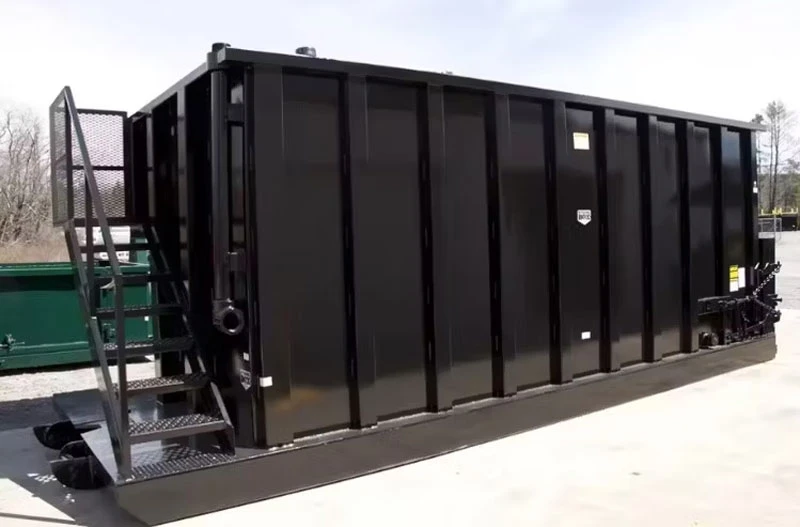
B. Internal Compartmentalization: “Divide and Conquer”
A common mistake is purchasing a single, undivided 10 m³ box. In HDD, you need three functional zones even in a small volume:
- Surge/Settling Compartment: Receives returning drill fluid to dissipate energy and drop heavy cuttings.
- Active Mixing/Agitation Compartment: Equipped with high-torque agitators and a venturi hopper for adding bentonite or polymers.
- Suction/Reserve Compartment: Provides a calm zone for the centrifugal pump to draw from, preventing vortexing and air ingestion.
By dividing a 6–8 m³ tank into three internal compartments, you achieve the process efficiency of a much larger system without increasing the external footprint.
C. Bottom Geometry: Flat, Cone, or U-Shaped?
In small tanks, geometry is critical to preventing “dead” corners where sediment accumulates.
- Flat Bottom: Cheapest, but creates “rat holes” and requires frequent manual cleaning.
- Cone or U-Bottom: Adds 10–15% to the cost but ensures total drainage and eliminates sediment traps. For HDD projects handling high-viscosity polymer fluids, this is the recommended standard.
3. 5 Technical Specifications for High-Mobility Tanks
When requesting a quote, ensure these five points are included in the technical data sheet:
- Road Compliance: For trailer units, verify axle weight, tire specifications, and lighting. For skid units, ensure certified lifting lugs and forklift pockets are present.
- Rapid Connection: Standardize on ANSI or DIN flanges (e.g., DN100/DN150). Internal manifold piping is superior to external hoses for reducing trip hazards and setup time.
- Agitation Power: Do not underpower the agitators. A 3–5 m³ compartment requires a minimum 2.2 kW gear-driven agitator. Mixing compartments (5–8 m³) require 7.5 kW or higher, supplemented by jet mixing nozzles.
- Corrosion Protection: HDD fluids are often high in pH. Require Sa2.5 blasting followed by an Epoxy Coal Tar or Zinc-rich epoxy coating (minimum 200 microns).
- Electrical Safety: While not always “explosion-proof” like oilfields, motors should be IP55 rated, and control panels must feature GFCI protection and low-level float switches to protect the centrifugal pump from running dry.
4. Recommended Configurations by Project Type
|
Project Scale
|
Recommended Configuration
|
Key Features
|
|---|---|---|
|
Micro/Municipal (< 200m, < Φ400mm)
|
2 x 3 m³ Trailer Units
|
Integrated shaker; total footprint < 15 m²; fits in standard parking spots.
|
|
Mid-Size Pipeline (300–800m, Φ500–900mm)
|
3 x Skid Units (6+8+6 m³)
|
Integrated mud cleaner (desander/desilter); processing rate 30–50 m³/h.
|
|
Large Rock Crossing (> 1km, Large Dia.)
|
4+ Skid Units (10–15 m³ each)
|
U-bottom design; dual agitators; provision for high-G force centrifuges.
|
Warning: Avoid the temptation to buy one large 10 m³ tank to “save on freight.” This often results in inadequate settling time and severe barite sag, leading to costly borehole collapse.
5. Conclusion: The Philosophy of Compact Mobility
Achieving high mobility in HDD mud tanks is not about making the tank “smaller”; it is about making it “Smarter.”
By combining Skid/Trailer structures for transport efficiency, Internal Compartmentalization for process integrity, and Optimized Geometry for clean operation, you can deploy a 5 m³ system that outperforms a poorly designed 20 m³ system in both speed and reliability.
Related Reading: