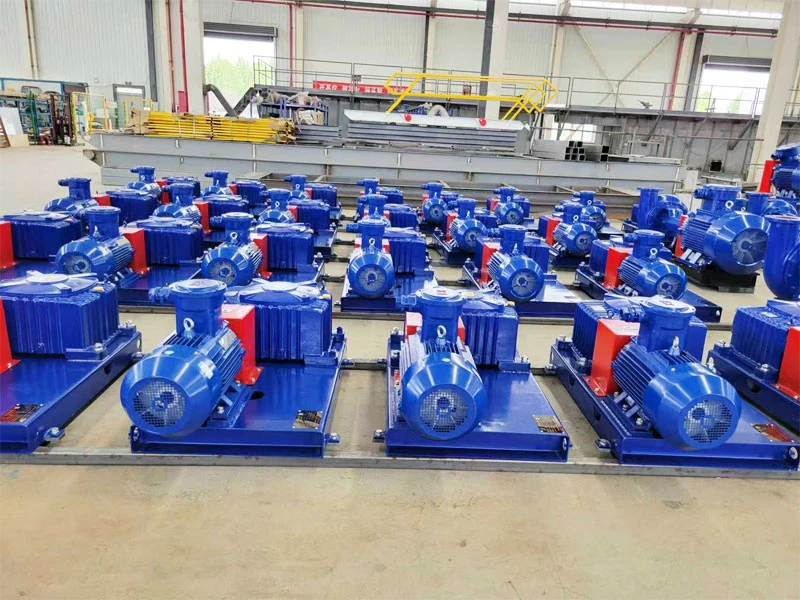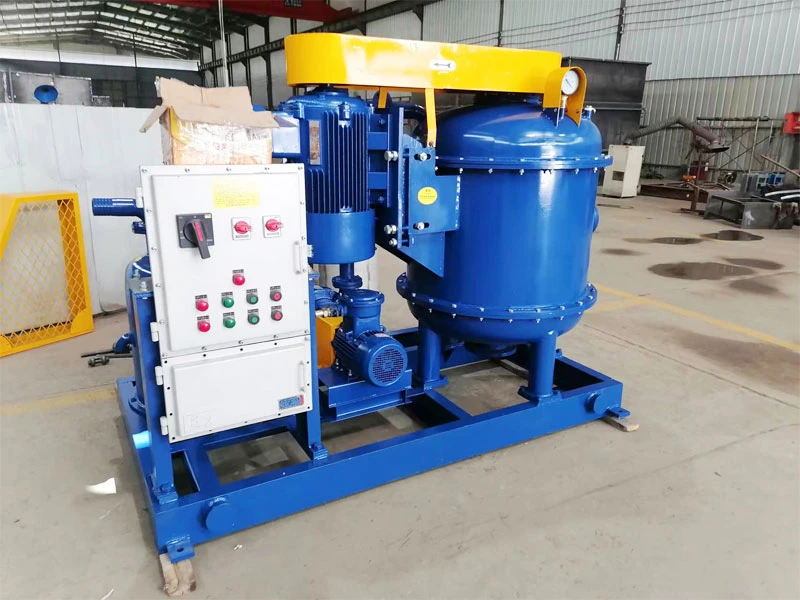
In oil and gas drilling, geotechnical engineering, mining, and many other industrial applications, the mud system is a critical component that ensures operational safety and improves overall efficiency. It performs essential functions such as transporting drill cuttings, cooling drilling tools, balancing formation pressure, and stabilizing wellbores. As the core power equipment within the mud system, the sand pump serves as the “power hub” of the entire circulation system. Specifically designed to handle abrasive fluids containing sand and solid particles, sand pumps effectively overcome the limitations of conventional pumps, such as rapid wear, clogging, and low efficiency. As a result, they have become indispensable equipment for reliable mud circulation, solids control, and slurry transfer applications.
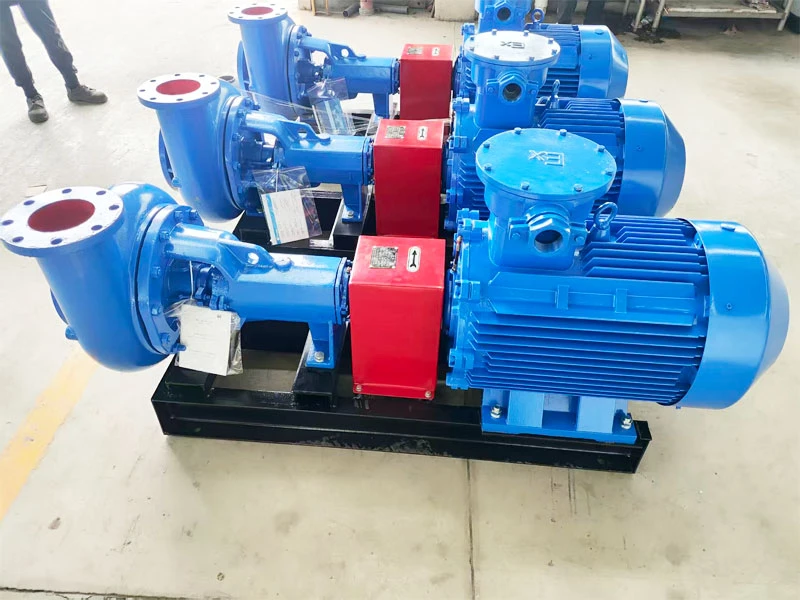
Why Are Sand Pumps Essential in Mud Systems?
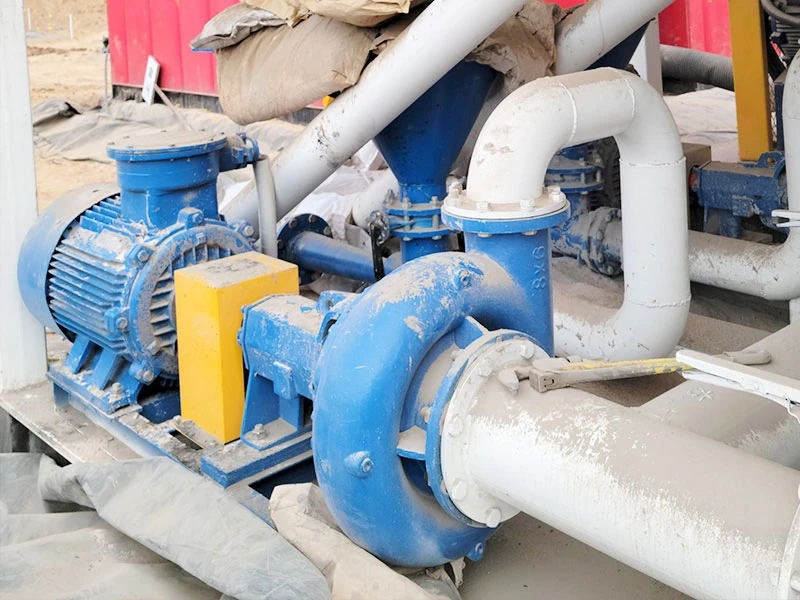
A sand pump is a wear-resistant centrifugal pump specifically designed for transporting drilling fluids and abrasive slurries containing high concentrations of solid particles. Unlike conventional water pumps, its hydraulic structure is optimized to handle harsh operating conditions encountered in drilling and industrial applications.
The pump features an axial suction configuration and an open impeller, allowing solid particles to pass through with minimal blockage. Key wetted components are manufactured from highly wear-resistant and corrosion-resistant cast iron or alloy materials, enabling the pump to withstand continuous erosion caused by sand, rock cuttings, and other abrasive materials.
To ensure reliable performance under high-pressure conditions, drilling sand pumps are typically equipped with a combination of mechanical seals and packing seals, providing superior sealing performance while minimizing leakage. These structural advantages make sand pumps the preferred choice for high-viscosity, high-solids drilling fluids and other abrasive slurry applications.
How Sand Pumps Power Solids Control Equipment
Within a complete drilling mud circulation and solids control system, the sand pump serves as the primary feeding pump for various solids control equipment, including desanders, desilters, and mud cleaners.
By supplying drilling fluid at a stable flow rate and sufficient pressure, the drilling fluid pump powers hydrocyclone separation, enabling these units to efficiently remove sand, silt, and other unwanted solids from the drilling fluid. Maintaining proper mud cleanliness not only preserves drilling fluid performance but also reduces wear on downstream equipment, minimizes pipeline blockages, and extends the service life of drilling tools.
Without a reliable sand pump, solids control equipment cannot maintain the pressure required for efficient hydrocyclone separation, directly affecting the performance of the entire mud treatment system.
The Critical Role of Sand Pumps in Mud Circulation
In addition to feeding solids control equipment, centrifugal sand pumps play a vital role in the continuous circulation of drilling fluids throughout the mud system.
During drilling operations, the pump transfers drilling fluid between mud tanks, pipelines, and the drilling site, continuously delivering clean drilling mud to the well while returning contaminated mud carrying drill cuttings back to the solids control system for purification and reuse. This closed-loop circulation significantly reduces drilling fluid consumption while improving operational efficiency.
In oil and gas drilling applications, properly circulating drilling fluid performs several essential functions, including:
- Cooling and lubricating the drill bit
- Carrying drill cuttings to the surface
- Balancing formation pressure
- Stabilizing the wellbore
- Preventing well collapse, stuck pipe, and other drilling hazards
Stable mud circulation is therefore fundamental to safe and efficient drilling operations.
Additional Functions Beyond Mud Transfer
Sand pumps offer much more than simple slurry transportation. They also serve as important auxiliary pumps in various mud treatment processes.
One common application is as the transfer pump for jet mud mixers, where high-pressure drilling fluid is supplied to Venturi mixing hoppers for rapid and uniform mixing of bentonite, barite, polymers, and other drilling fluid additives. This ensures the preparation of drilling fluids with the required density, viscosity, and rheological properties.
Sand pumps may also function as:
- Auxiliary grouting pumps
- Mud transfer pumps
- Cement slurry transfer pumps
- System pressure boosting pumps
These additional functions allow sand pumps to support drilling, cementing, HDD, trenchless construction, and other geotechnical operations.
Key Advantages of Using Sand Pumps in Mud Systems
Compared with conventional centrifugal pumps, desilter pumps offer several significant advantages when handling abrasive drilling fluids and industrial slurries.
Excellent Wear Resistance
Designed specifically for abrasive applications, sand pumps can continuously transport high-solid-content slurries while maintaining long service life. This significantly reduces maintenance costs, replacement frequency, and equipment downtime.
Stable Flow and Pressure
Consistent hydraulic performance ensures reliable operation of hydrocyclones, mud cleaners, and other solids control equipment, improving overall mud treatment efficiency.
High Operating Efficiency
Efficient mud circulation minimizes drilling fluid loss, improves solids removal efficiency, and reduces overall operating costs.
Easy Maintenance
With a relatively simple structure and standardized components, sand pumps are easy to inspect, repair, and maintain, making them ideal for continuous industrial operations where equipment reliability is essential.
Industries That Rely on Sand Pumps
Thanks to their excellent wear resistance and reliable slurry-handling capabilities, sand pumps are widely used across numerous industries.
Oil and Gas Drilling
Sand pumps are standard equipment in drilling mud solids control systems, supplying drilling fluids to hydrocyclones, mud cleaners, and circulation systems to ensure continuous drilling operations.
Mining Industry
They are used for transporting mineral slurry, tailings, concentrate slurry, and other abrasive materials throughout mineral processing plants.
Horizontal Directional Drilling (HDD) and Trenchless Construction
Sand pumps circulate and recycle drilling fluids during underground pipeline installation, helping improve drilling efficiency while reducing waste.
River Dredging and Municipal Engineering
They efficiently transfer sediment, sludge, and construction slurry during dredging, excavation, and dewatering projects.
Chemical and Industrial Processing
Sand pumps are also suitable for transporting abrasive chemical slurries, wastewater containing solids, and various industrial process fluids.
Conclusion: Why High-Performance Sand Pumps Matter
Sand pumps play an indispensable role throughout the entire mud circulation process—from feeding solids control equipment and maintaining continuous mud circulation to supporting mud mixing and auxiliary fluid transfer. Their wear-resistant construction, stable hydraulic performance, and versatile functionality directly influence the efficiency, reliability, and safety of drilling and slurry handling systems.
As modern drilling and industrial projects demand greater productivity, higher reliability, and improved energy efficiency, high-performance sand pumps have become essential equipment for reducing operating costs, minimizing downtime, and enhancing overall project performance. Whether in oil and gas drilling, mining, horizontal directional drilling, municipal engineering, or industrial slurry transportation, investing in a durable and efficient sand pump is critical to achieving long-term operational success.