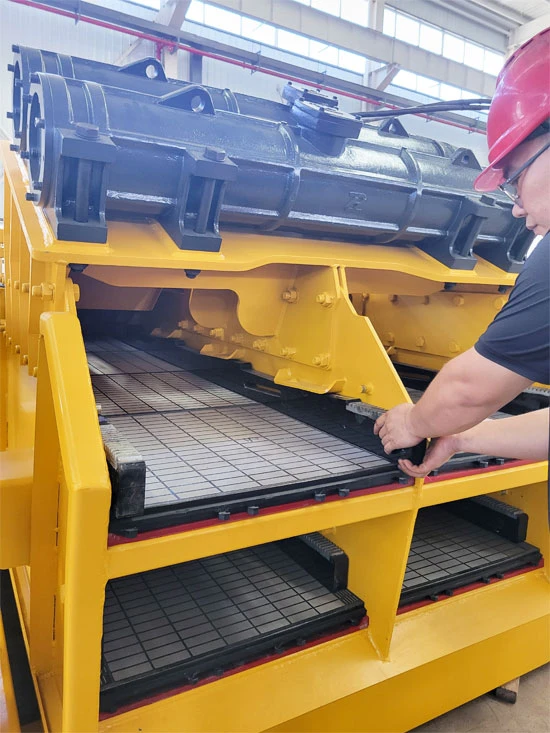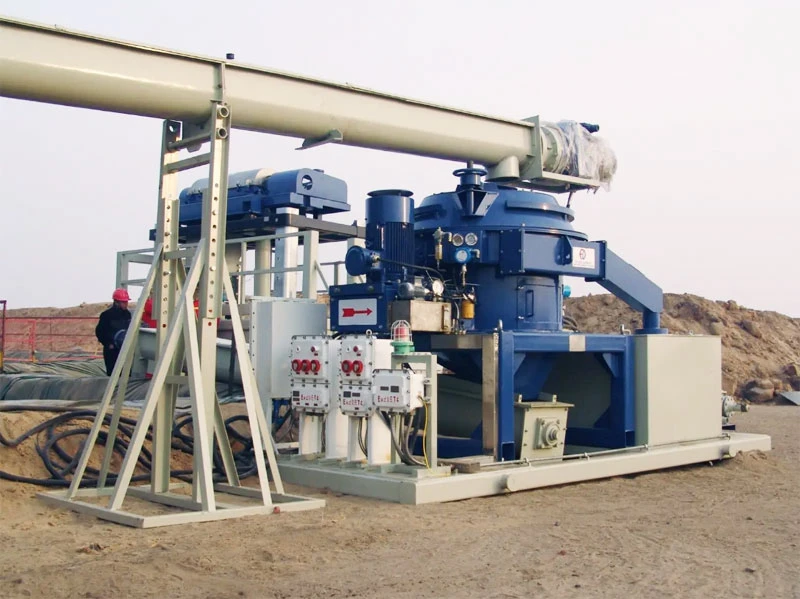
In modern oil & gas drilling solids control systems, the shale shaker is the first and most important stage of drilling fluid processing. Its performance directly affects mud recovery, drilling efficiency, and the lifespan of downstream equipment such as desanders, desilters, and decanter centrifuges.
Among various shaker technologies, two common options are the Dual Motion Shale Shaker and Linear Motion Shale Shaker. Although both are designed to separate drill cuttings from drilling mud, their vibration patterns, performance characteristics, and ideal applications are quite different.
This article explains the differences between dual motion and linear motion shale shakers, helping drilling contractors and mud engineers choose the right equipment for their projects.
What Is a Linear Motion Shale Shaker?
A linear motion shale shaker uses two counter-rotating vibration motors to create a straight-line vibration path across the screen deck. This design provides strong conveying force and high processing capacity.
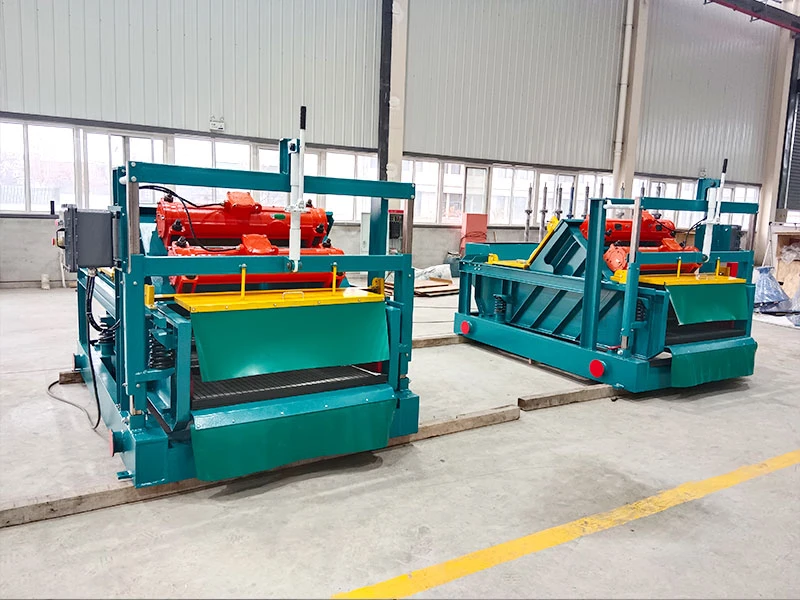
Main Features of Linear Motion Shakers
- High G-force separation
- Large drilling fluid handling capacity
- Efficient solids conveyance
- Suitable for fine mesh screens
- Stable and simple structure
- Easy operation and maintenance
Linear motion shakers are currently the most widely used shale shakers in oilfield drilling operations because they offer high efficiency and reliable performance.
What Is a Dual Motion Shale Shaker?
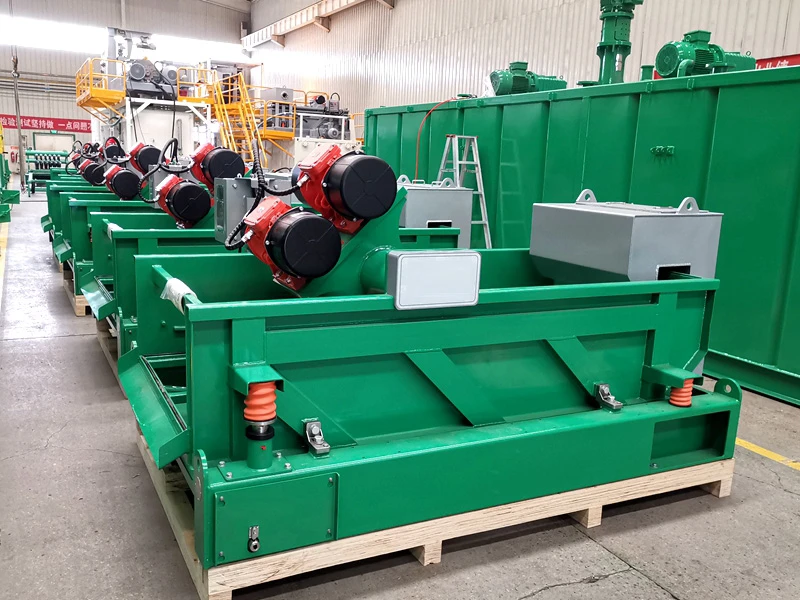
A dual motion shale shaker combines two vibration modes in one machine:
- Linear motion
- Elliptical motion (or balanced elliptical motion)
Operators can switch between the two vibration modes depending on drilling conditions and mud properties.
The dual-motion design provides greater operational flexibility, especially in complex drilling environments where mud viscosity and cuttings characteristics change frequently.
How Does Dual Motion Work?
In a dual motion shaker, the vibrator motors can rotate in different directions to generate different motion patterns:
- Opposite rotation → Linear motion
- Same direction rotation → Elliptical motion
This allows the shaker to adapt to varying drilling conditions without replacing equipment.
Dual Motion Shale Shaker vs Linear Motion Shaker
1. Vibration Pattern
Linear Motion Shaker
- Straight-line vibration trajectory
- Strong forward conveying force
- Fast solids transportation
Dual Motion Shaker
- Switchable vibration modes
- Can operate in both linear and elliptical motion
- More flexible under varying drilling conditions
2. Drilling Fluid Processing Capacity
Linear motion shale shakers generally provide:
- Higher throughput
- Better handling of large mud volumes
- Faster cuttings transport
Under the same operating conditions, linear shakers often have 20–30% higher capacity than traditional circular motion shakers.
Dual motion shakers may sacrifice some capacity in elliptical mode but improve cuttings drying and screen performance.
3. Performance with Sticky Solids
Linear Motion
Works best with:
- Low-viscosity mud
- High flow rate
- Coarse drill cuttings
However, sticky solids can sometimes cause screen blinding.
Dual Motion
Elliptical mode is especially effective for:
- Sticky clay formations
- High-viscosity drilling mud
- Gumbo formations
- Fragile cuttings
The smoother elliptical motion helps reduce screen plugging and improves mud recovery.
4. Screen Life
Linear motion shakers generate higher G-force, which improves separation efficiency but may reduce screen lifespan over time.
Dual motion shakers operating in elliptical mode usually provide:
- Gentler vibration
- Reduced screen wear
- Lower maintenance frequency
This can reduce operating costs in long drilling campaigns.
5. Operational Flexibility
Linear Motion Shaker
- Fixed vibration pattern
- Easier control system
- Lower equipment cost
Dual Motion Shaker
- Adjustable vibration mode
- More adaptable to changing formations
- Better for deep drilling operations
Dual motion systems are often preferred in complicated drilling projects where drilling conditions frequently change.
6. Maintenance and Complexity
Linear motion shale shakers have:
- Simpler mechanical structure
- Easier maintenance
- Lower initial investment
Dual motion shakers include:
- More complex vibration control
- Additional adjustment mechanisms
- Slightly higher maintenance requirements
For standard drilling projects, linear motion systems are usually more economical.
Comparison Table
| Feature | Dual Motion Shale Shaker | Linear Motion Shale Shaker |
|---|---|---|
| Motion Type | Linear + Elliptical | Linear only |
| Processing Capacity | Medium to High | Very High |
| Sticky Solids Handling | Excellent | Good |
| Screen Blinding Resistance | Better | Moderate |
| Mud Recovery | Excellent | Excellent |
| Screen Life | Longer | Moderate |
| Operational Flexibility | High | Medium |
| Maintenance Complexity | Higher | Lower |
| Best Application | Complex drilling conditions | Standard high-capacity drilling |
Which Shale Shaker Is Better?
The answer depends on your drilling conditions.
Choose a Linear Motion Shale Shaker If:
- You need maximum processing capacity
- Your drilling mud viscosity is relatively low
- You want a cost-effective and reliable solution
- Your drilling conditions are stable
Choose a Dual Motion Shale Shaker If:
- You drill through sticky clay or gumbo formations
- Mud properties change frequently
- You need flexible vibration control
- You operate in deep or challenging wells
Recommended Applications
Linear Motion Shale Shaker Applications
- Oil & gas drilling
- HDD drilling
- Water well drilling
- Large circulation systems
- High flow rate operations
Dual Motion Shale Shaker Applications
- Deep well drilling
- High-viscosity mud systems
- Reactive clay formations
- Complex geological structures
- Sensitive drilling environments
Final Thoughts
Both dual motion shale shakers and linear motion shale shakers play critical roles in modern drilling solids control systems. Linear motion shakers dominate the market because of their simplicity, high throughput, and stable performance. Meanwhile, dual motion shale shakers offer greater flexibility and superior handling of difficult drilling conditions.
When selecting a shale shaker, drilling contractors should consider:
- Mud properties
- Drilling depth
- Formation type
- Required flow rate
- Maintenance budget
- Solids control efficiency goals
Choosing the right shaker can significantly improve drilling efficiency, reduce mud loss, and lower overall operating costs.
For more information about shale shakers, mud cleaners, desanders, and complete drilling solids control systems, contact us!