Horizontal directional drilling (HDD) crews work in conditions that look nothing like a conventional oil and gas well site. Job sites sit along city streets, utility corridors, and residential areas — not open pads with room for a full-scale solids control system. That difference is exactly why a purpose-built, compact mud recycling system matters so much for trenchless work.
The Challenges Unique to HDD Job Sites
Limited Space
An HDD crossing often runs through a narrow right-of-way, a road shoulder, or a construction easement with barely enough room for the rig itself. A standard oilfield solids control layout — with its larger tanks and multi-stage footprint — simply doesn’t fit. Equipment needs to be compact enough to set up in a tight, often irregular workspace.
Fast Mobilization Between Sites
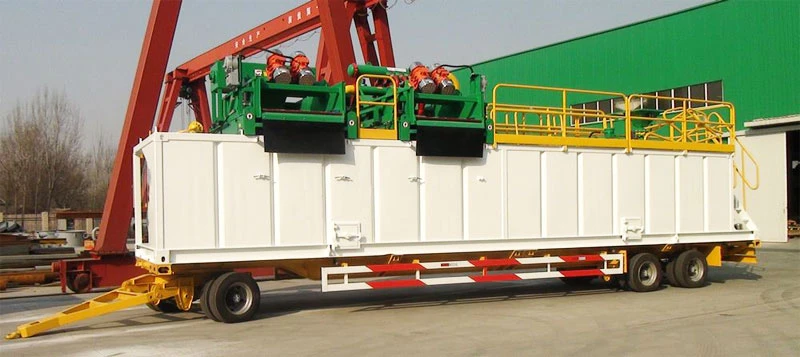
Pipeline installations and utility crossings frequently involve multiple bore locations along a single project route. Crews need equipment that trailers or skids into place quickly, connects fast, and moves on to the next site without a lengthy teardown and setup process each time.
Disposal and Environmental Compliance
Many HDD sites sit in urban or environmentally sensitive areas, where trucking out large volumes of used drilling fluid for disposal is expensive — and in some jurisdictions, tightly regulated. Reclaiming and reusing fluid on site directly reduces both disposal costs and environmental impact, which is often a project requirement rather than just a cost-saving option.
Fluid Volume Requirements
HDD bores use bentonite-based drilling fluid continuously throughout the pull, and running out mid-bore isn’t an option. A recycling system that keeps reclaimed fluid in usable condition helps crews stretch their fluid supply without constantly mixing fresh batches from scratch.
What a Compact HDD Recycling System Typically Includes
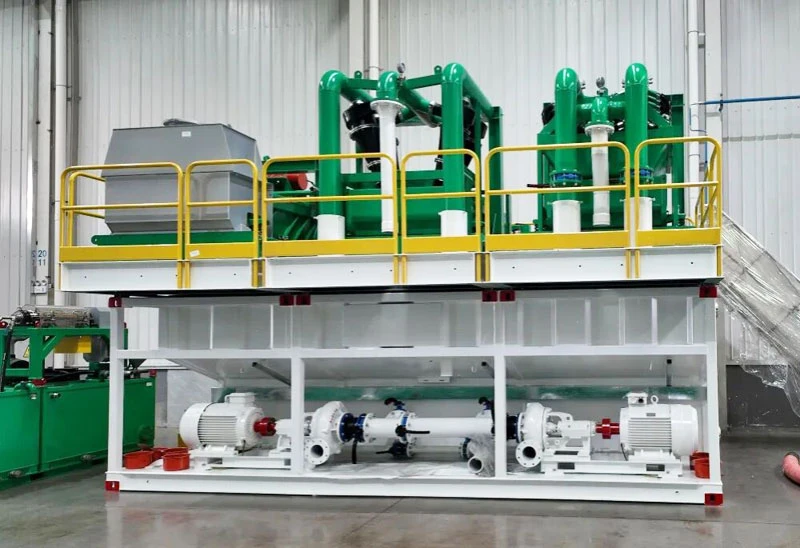
- A smaller-footprint shale shaker — sized for HDD flow rates rather than full oilfield circulation rates, removing cuttings from returned fluid
- A compact tank system — often trailer-mounted or skid-mounted, sized to match typical HDD flow volumes rather than large-scale rig tanks
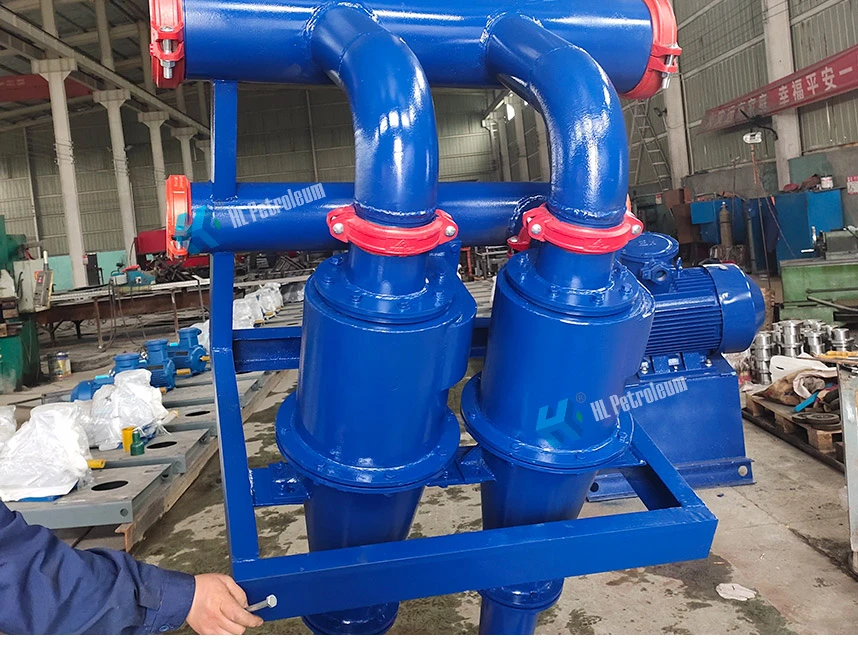
- A mud cleaner or hydrocyclone stage — for projects that need finer solids removal beyond what the shaker alone handles
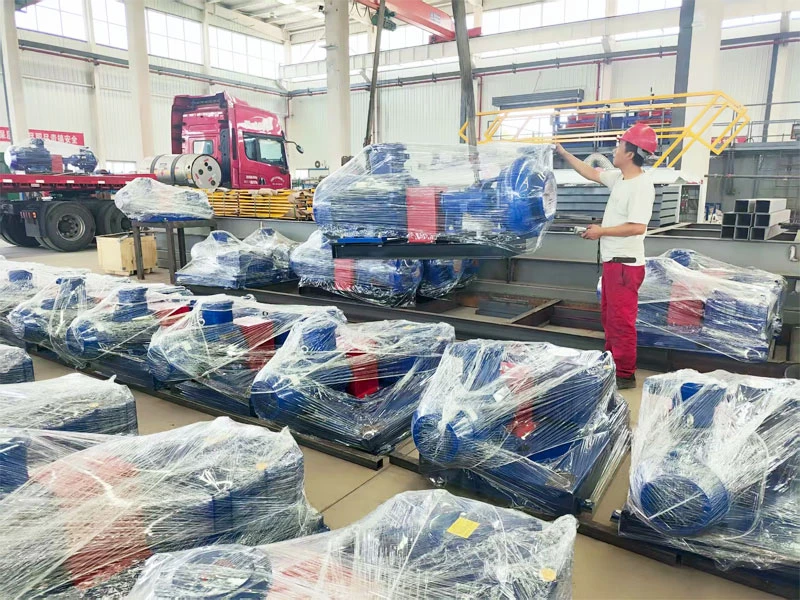
- Transfer and mixing pumps — to move reclaimed fluid back into circulation and blend it with fresh mud as needed
The goal is a self-contained unit that a small crew can operate without needing the staffing or space that a full oilfield system requires.
Recycling vs. Mixing: Why HDD Projects Often Need Both
It’s worth separating two related but different needs. A mud mixing system prepares fresh drilling fluid before it goes downhole. A recycling system takes fluid that’s already been used and removes drilled solids so the crew can reuse it. Most active HDD projects run both side by side — mixing fresh fluid as needed while recycling keeps disposal volumes down and stretches the fluid supply across a long bore.
What to Look for When Choosing a System
- Footprint and mobility — confirm the unit fits your typical job site and trailers or transports the way your crew needs it to
- Processing capacity — match shaker and pump capacity to your actual flow rate, not just nominal bore size
- Setup and breakdown time — for projects with multiple bore locations, a system that connects and disconnects quickly saves real time across the project
- Power source — engine-driven units suit sites without reliable grid power, which is common on utility and pipeline routes
Looking for a mud recycling setup sized for your HDD project? Tell us your flow rate and site constraints and our engineers can recommend a configuration that fits.