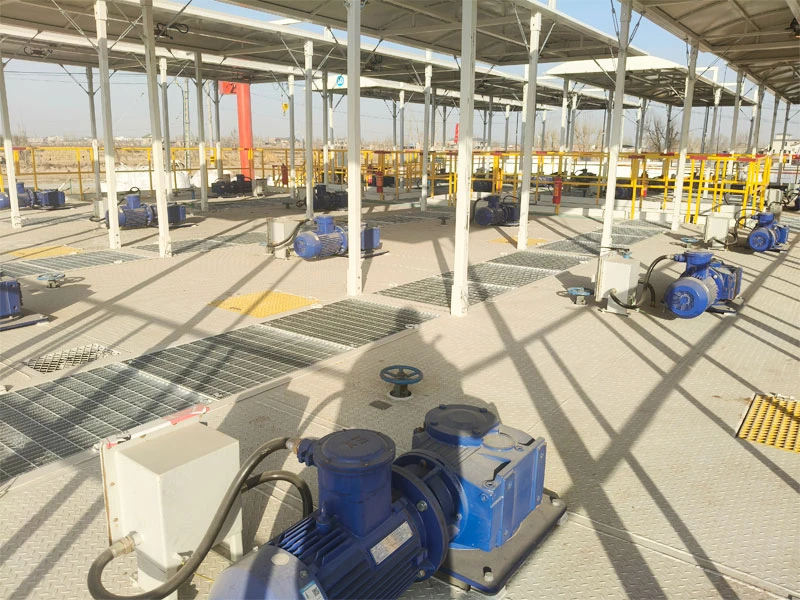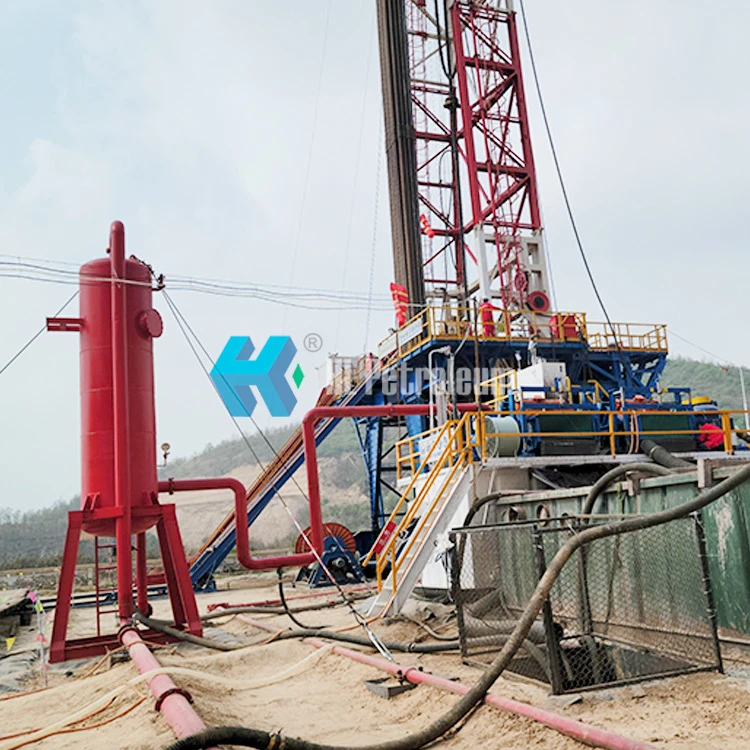
A coalbed methane (CBM) drilling mud solids control system is a set of equipment and processes that controls the solid particles in the mud that CBM drilling produces. It is essential supporting equipment for CBM and geothermal drilling. During CBM drilling, the mud treatment system effectively controls the solids content of the mud and holds solid particles within the 5 μm to 15 μm range. It also lets operators adjust mud parameters and mix mud to specification, which improves mud quality. In addition, it increases the rate of penetration, extends the service life of mud pumps and drilling rigs, keeps drilling operations safe, reduces the workload of operators, and improves the environment at the well site.
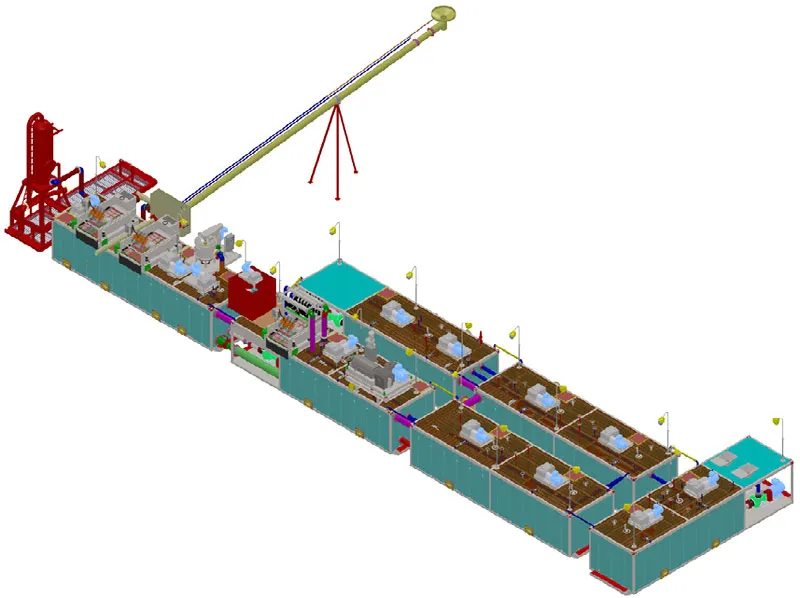
CBM wells generally reach depths of 2,000 to 4,000 meters. Based on the characteristics of CBM and geothermal drilling, HL Petroleum draws on its strengths in oil drilling solids control technology to design and manufacture a complete CBM drilling mud solids control system for its customers. These systems match CBM rigs, including ZJ20–ZJ40 CBM rigs. They meet the drilling fluid treatment requirements of operations within 4,000 m, and they also suit core drilling.
Xi’an HL Petroleum produces the following CBM drilling mud solids control equipment: mud shale shakers, desanders, desilters, mud cleaners, centrifuges, sand pumps, shear pumps, submersible slurry pumps, mud agitators, jet mud mixing devices, mud guns, mud tanks, and purification tanks, as well as integrated 120 m³ and 240 m³ mud solids control systems.
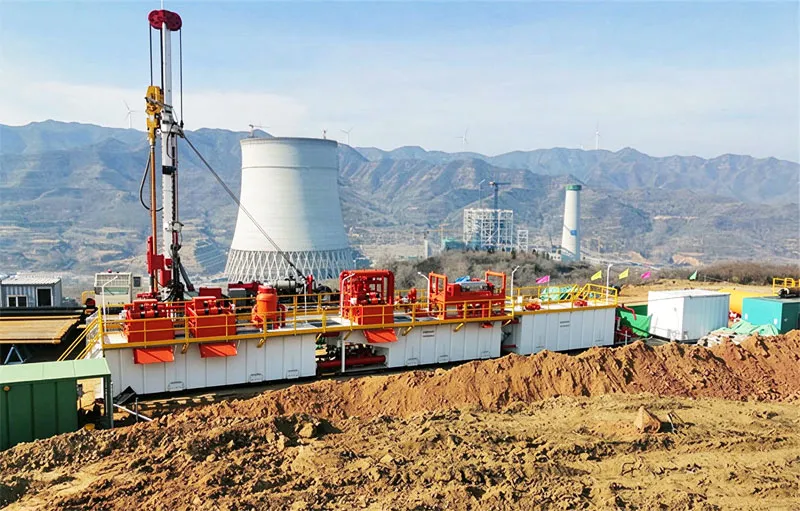
Based on the characteristics of CBM and geothermal drilling, HL Petroleum draws on its strengths in oil drilling solids control technology to design and manufacture a complete CBM drilling mud purification system for its customers. The system meets the mud treatment requirements of both shallow and deep drilling. As a manufacturer of drilling mud solids control equipment, HL Petroleum designs and manufactures complete sets of rig solids control equipment and systems. It adapts to local conditions, continually optimizes its solids control solutions, and configures and lays out the equipment scientifically, so that the rig solids control system can handle a wide range of complex drilling processes and mud treatment requirements.
Advantages of HL Petroleum’s Rig Solids Control Systems
When HL Petroleum configures mud treatment equipment and systems for CBM rigs, it customizes the CBM drilling solids control system to the customer’s rig and the formation conditions of the well.
- We configure the CBM system equipment scientifically and economically, and it performs stably and reliably.
- The solids control system has a compact, simple structure, and customers can transport and install it easily.
- It meets the requirements of CBM drilling within 4,000 m.
- We have 12 years of experience in designing and producing rig solids control equipment and systems.
- Many large oil drilling projects in China and abroad have successfully applied our solids control systems.
- We produce all solids control equipment in-house, so our systems have a more scientific composition and operate more reliably.
- Our solids control system design philosophy is advanced and adapts to complex drilling requirements.
- Our modular combination, fully explosion-proof circuitry, and convenient installation make the system safe and reliable.
Based on the characteristics of CBM and geothermal drilling, HL Petroleum draws on its strengths in oil drilling solids control technology to design and manufacture a complete CBM/geothermal drilling mud solids control and mud purification system for its customers. The system meets the mud treatment requirements of both shallow and deep CBM drilling.
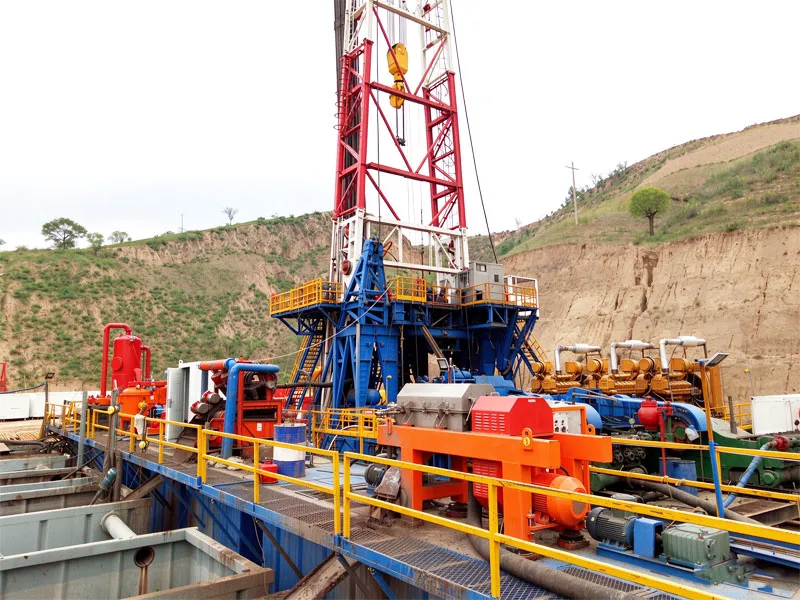
Oil Rig Solids Control System Solutions
Engineers generally select a CBM rig solids control system according to the ZJ20–ZJ40 rig model.
| Rig model | ZJ10 | ZJ20 | ZJ30 | ZJ40 |
| Drilling depth | 1000m | 2000m | 3000m | 4000m |
| Mud tank volume | >80m³ | >160m³ | >240m³ | >260m³ |
| Mud shale shaker | >126m³/h | >180m³/h | >200m³/h | >240m³/h |
| Degasser | / | >200m³/h | >200m³/h | >200m³/h |
| Desander | >100m³/h | >180m³/h | >200m³/h | >200m³/h |
| Desilter | >100m³/h | >180m³/h | >200m³/h | >200m³/h |
| Medium speed centrifuge | / | >40m³/h | >40m³/h | >40m³/h |
| High speed centrifuge | / | / | / | / |
| Mixing & weighting device | >80m³/h | >120m³/h | >160m³/h | >180m³/h |
| Shearing & mixing device | / | >100m³/h | >100m³/h | >140m³/h |
Selecting a CBM Drilling Solids Control System
To select a CBM drilling solids control system, you first need to understand the type of CBM well. The geological conditions determine the well type and the drilling process: the burial depth, thickness, mechanical strength, and pressure of the coal reservoir, the formation combination, and wellbore stability. By formation depth, we generally divide CBM wells into two types: shallow coal seam wells and deep coal seam wells.
1. Shallow coal seam drilling generally uses rotary or percussion drilling.
Operators use air, water mist, or foam as the circulating medium. They can use lightweight self-propelled hydraulic rigs, top-drive rigs, small truck-mounted rigs, or conventional rigs, and they should prefer a non-mud circulating medium. Formation pressure in shallow coal seam areas is low, so operators do not need mud to control pressure. Air drilling delivers a high drilling speed at a low basic cost, and drilling underbalanced or extremely underbalanced causes little damage to the formation. Operators can also combine air drilling with mud drilling: they first use air drilling fluid until produced water fills the mud storage pit, then switch to the produced water as drilling fluid until the pit empties, and they alternate the two in this way until they complete the well.
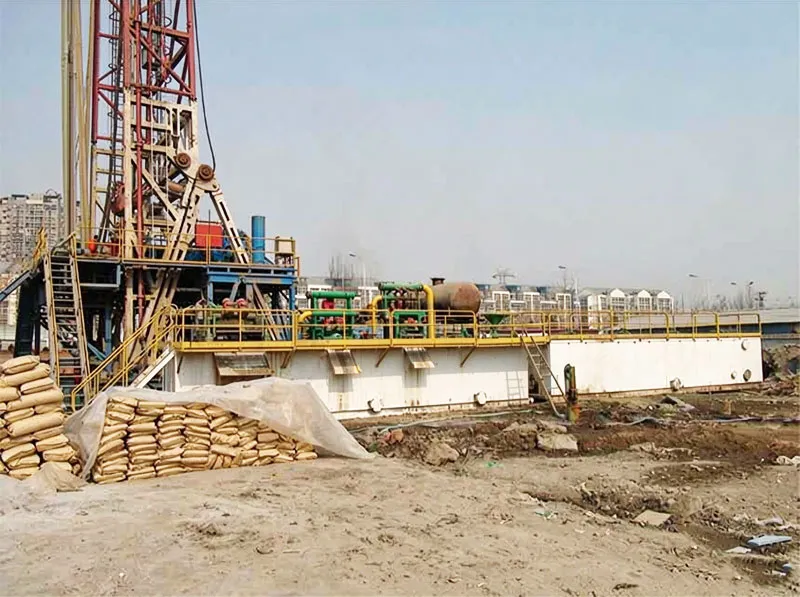
2. Deep coal seam areas generally use conventional rotary rigs.
Because formation pressure is high, operators cannot use air drilling. In most cases, therefore, they need a matching mud solids control system, inject mud, and use mud density to control possible water and gas kicks. Within the predicted depth range of the coal seam, crews can also slow the drilling speed. If they find any drilling anomaly, they stop drilling immediately, lift the drill string, and continue circulating at a low flow rate. When coring the coal seam, crews use low weight on bit, low rotary speed, and low pump pressure.
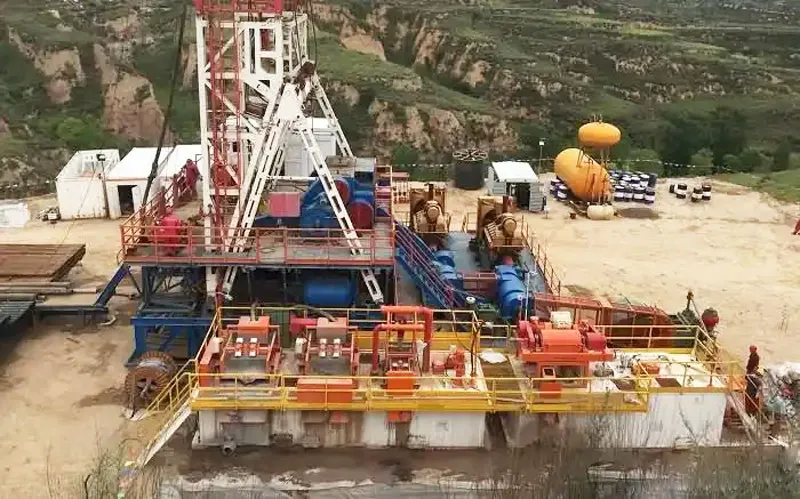
Overall
Therefore, deep coal seam drilling in CBM wells generally requires mud solids control equipment and systems to handle mud treatment, storage, recovery, and purification. A mud solids control system effectively controls the solids content of the mud and holds solid particles within the 5 μm to 15 μm range. It also lets operators adjust mud parameters and mix mud to specification, which improves mud quality, increases the rate of penetration, extends the service life of mud pumps and rigs, and keeps drilling operations safe.
When we develop a solids control solution for a CBM project, we usually follow these four steps:
- Assess the geology: burial depth, coal thickness, pressure, stability, and coal fines volume
- Assess the rig: truck-mounted, hydraulic, or oil drilling rig, and mud pump flow rate
- Assess the well type: vertical well, directional well, or horizontal well
- Assess the well site: floor space, access roads, relocation frequency, and environmental protection requirements
We then offer three solutions:
- Economy type: shale shaker + integrated desander/desilter + mud storage tank
- Standard type: shale shaker + desander + desilter + medium-speed centrifuge
- Deep coal seam horizontal well type: degasser + shale shaker + desander + desilter + high-speed centrifuge + intelligent mud mixing + waste mud collection
We neither over-specify the equipment without need, nor skimp on the centrifuge in the horizontal section of a deep well.
For more cases and technical solutions related to CBM drilling mud purification systems, please contact our sales engineers, and we will reply to you as soon as possible!