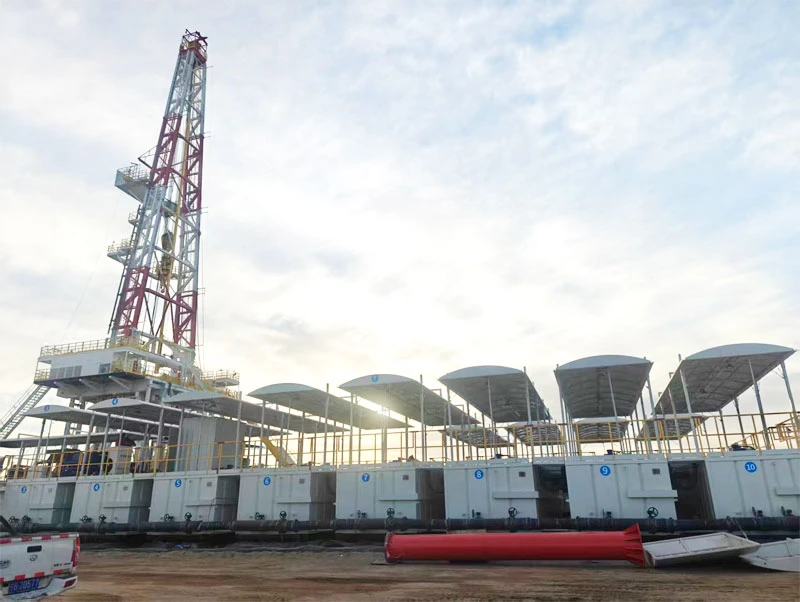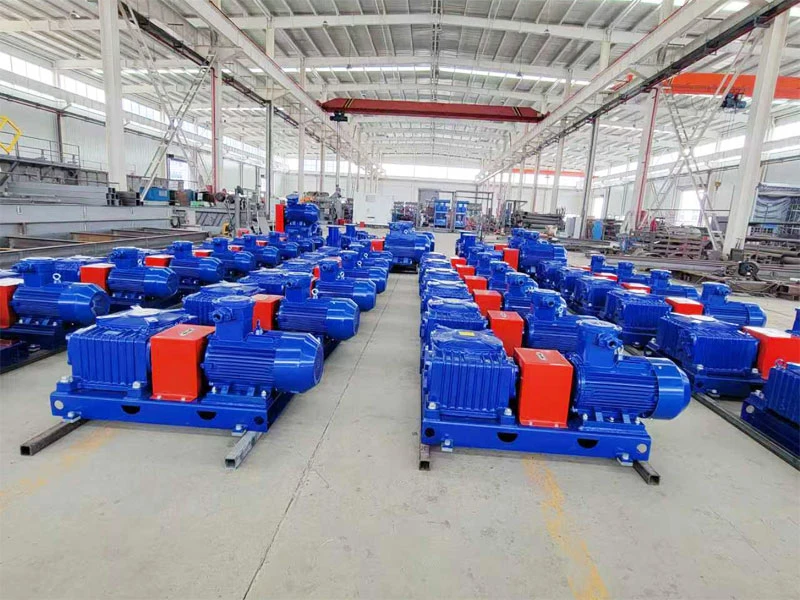
Introduction
During oil and gas drilling operations, gas invasion into drilling fluid is a common problem that can seriously affect drilling safety and efficiency. When formation gas enters the drilling mud, it reduces mud density, changes rheological properties, increases the risk of well control issues, and may cause unstable drilling conditions.
A vacuum degasser for drilling rig is an essential solids control equipment used to remove entrained gas from drilling fluid. By applying a vacuum separation process, the degasser efficiently removes small gas bubbles from drilling mud and restores the original performance of the drilling fluid.
As a professional manufacturer of drilling solids control equipment, HL Petroleum provides high-performance vacuum degassers designed for various drilling rigs, including land rigs, workover rigs, and deep well drilling systems.
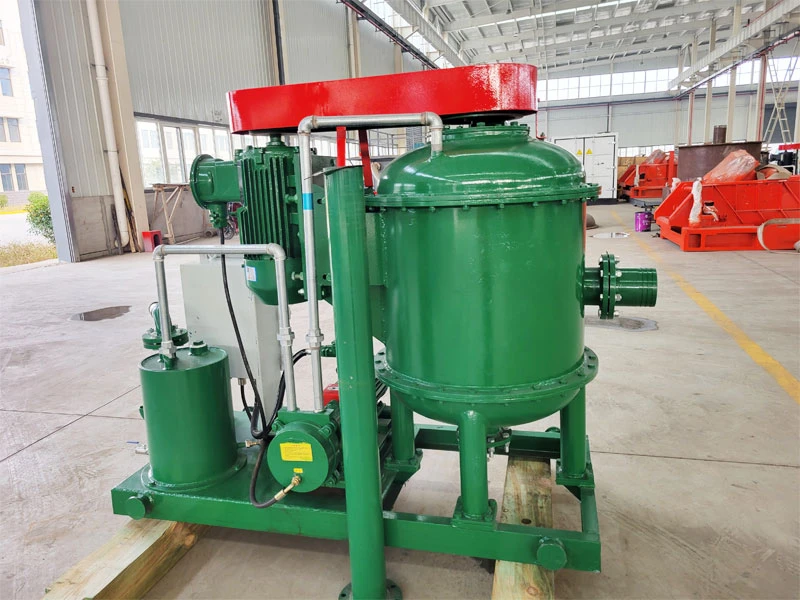
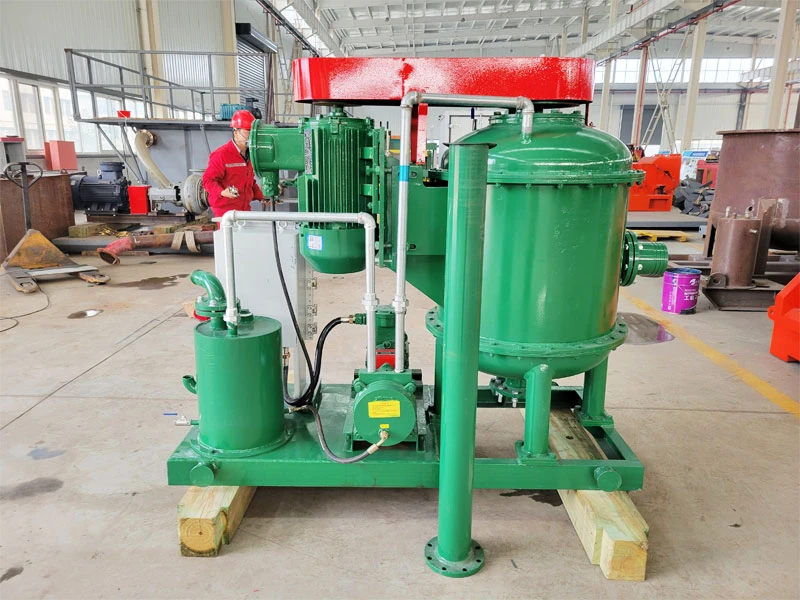
What Is a Vacuum Degasser Used for in Drilling Rigs?
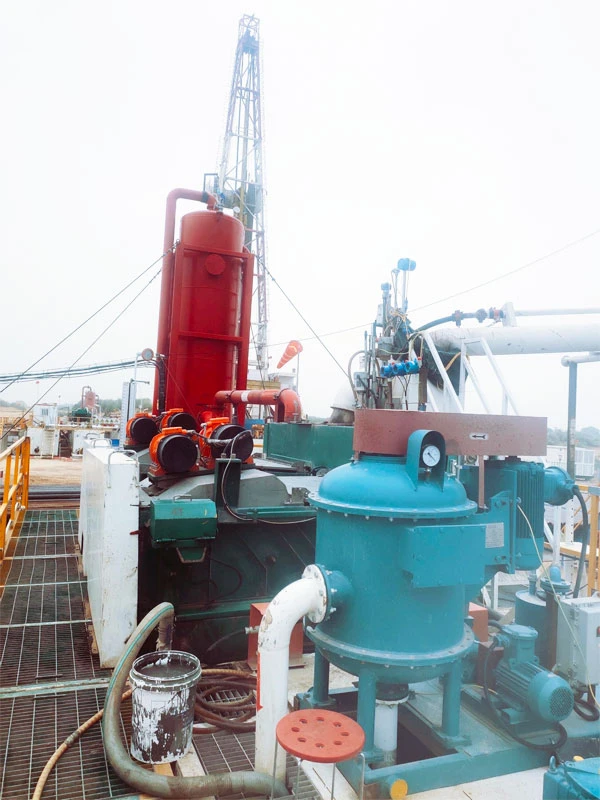
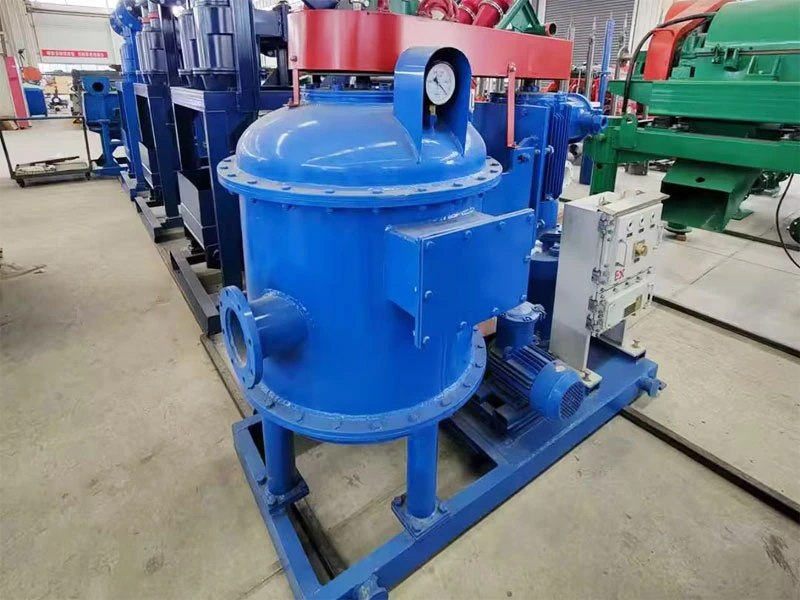
A vacuum degasser drilling mud is a type of drilling fluid treatment equipment installed in the solids control system. Its main function is to remove dissolved gas and fine gas bubbles from drilling mud after gas contamination occurs.
During drilling operations, gas may enter the mud through:
- Gas-bearing formations
- High-pressure oil and gas reservoirs
- Underbalanced drilling operations
- Deep well drilling environments
If the gas is not removed quickly, it can cause:
- Reduction of drilling fluid density
- Poor cutting carrying capacity
- Unstable mud properties
- Increased risk of blowouts
- Reduced drilling efficiency
The vacuum degasser drilling rig system helps maintain stable drilling fluid properties and improves overall drilling safety.
How Does a Vacuum Degasser Work?
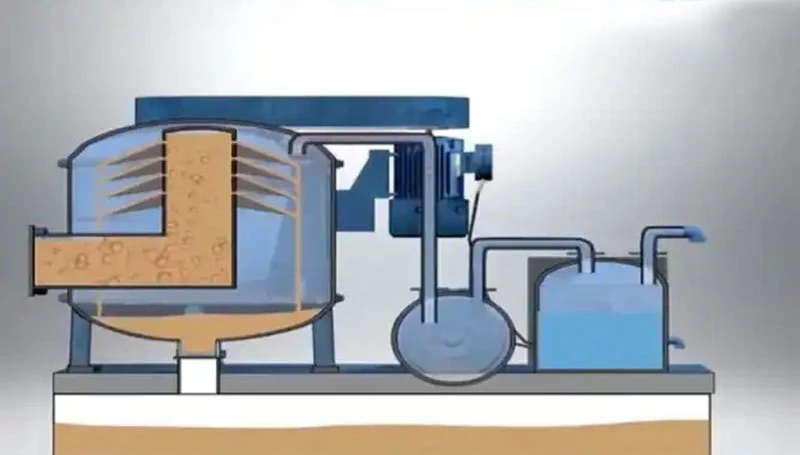
The working principle of a vacuum degasser is based on negative pressure separation.
The process includes several steps:
1. Gas-Contaminated Mud Enters the Degasser
The drilling fluid containing gas flows into the vacuum degasser tank from the mud tank or shale shaker compartment.
2. Vacuum Environment Removes Gas
The vacuum pump creates negative pressure inside the degassing chamber. Under vacuum conditions, gas bubbles expand and separate from the drilling fluid.
3. Rotating Impeller Creates Thin Mud Film
The internal rotor spreads drilling mud into a thin layer, increasing the contact area between mud and vacuum environment.
4. Gas Is Discharged
Separated gas is removed through the discharge pipeline, while treated drilling fluid returns to the active mud system.
This continuous process allows the vacuum degasser to efficiently remove fine bubbles that cannot be separated by conventional equipment.
Why Is a Vacuum Degasser Important for Drilling Rigs?
1. Maintain Drilling Fluid Density
Gas contamination reduces mud weight. A vacuum degasser restores drilling fluid density and helps maintain proper hydrostatic pressure.
2. Improve Well Control
Removing trapped gas reduces the risk of kick and blowout caused by gas expansion.
3. Protect Downhole Equipment
Stable drilling fluid properties reduce excessive pressure fluctuations and improve equipment reliability.
4. Increase Drilling Efficiency
Clean and stable mud improves:
- Cutting transportation
- Hydraulic performance
- Drilling speed
- Overall operational efficiency
Vacuum Degasser Installation Position in Drilling Solids Control System
A typical drilling mud treatment system includes:
- Mud Shale Shaker
- Vacuum Degasser
- Mud Desander
- Mud Desilter
- Decanter Centrifuge
- Mud Tank System
The vacuum degasser is normally installed after the shale shaker and before the hydrocyclone equipment.
The recommended process:
Drilling Fluid → Shale Shaker → Vacuum Degasser → Desander → Desilter → Centrifuge → Mud Tank
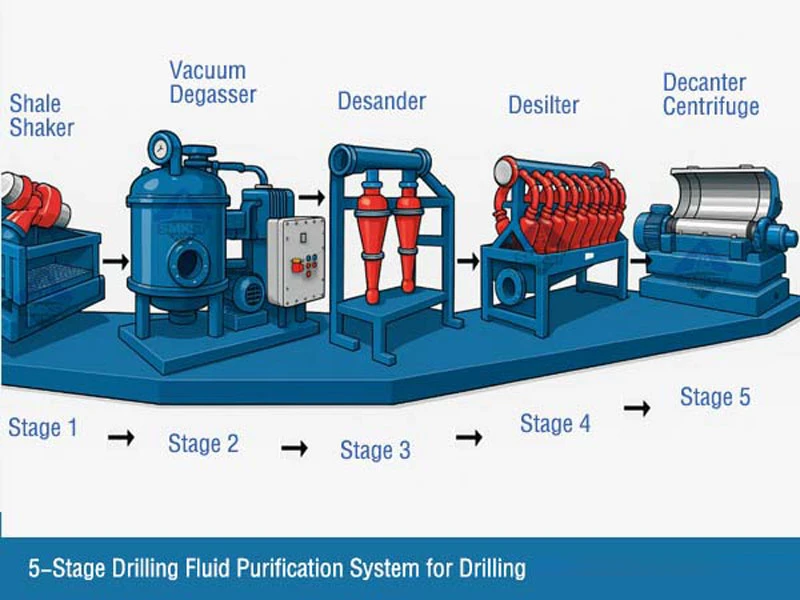
This arrangement allows the degasser to remove gas before further solid separation.
HL Vacuum Degasser for Drilling Rig Applications
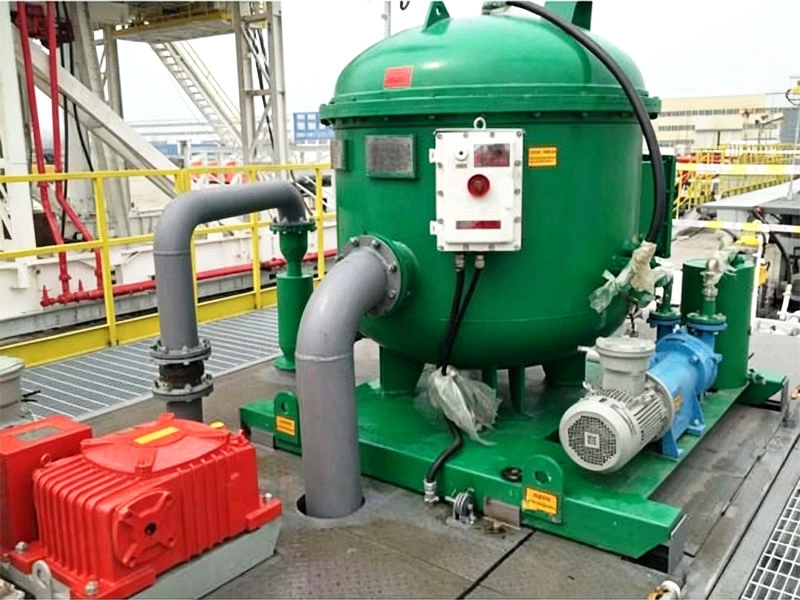
HL Petroleum vacuum degassers are designed for oilfield drilling applications with features including:
High Gas Removal Efficiency
The vacuum separation system can effectively remove fine gas bubbles from drilling fluid.
Explosion-Proof Motor Option
Explosion-proof motors are available for oilfield environments with safety requirements.
Compact Structure
The skid-mounted design allows easy installation and transportation between drilling sites.
Continuous Operation
The equipment can operate continuously with stable performance during long drilling operations.
Wide Application Range
Suitable for:
- Oil drilling rigs
- Gas drilling projects
- Deep well drilling
- Workover rigs
- HDD mud recycling systems
Field Case Study: Vacuum Degasser Used in Middle East Drilling Project
Project Background
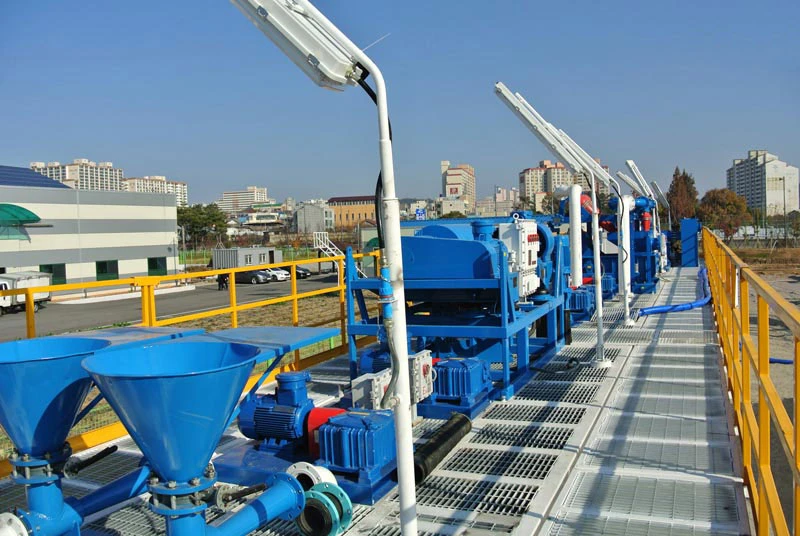
In 2025, HL Petroleum supplied a complete solids control solution for an oil drilling project in the Middle East. The drilling contractor was operating a high-performance drilling rig in a gas-bearing formation area.
During drilling operations, the customer experienced:
- Increased gas content in drilling mud
- Reduced mud density
- Unstable drilling fluid performance
- Frequent mud property adjustments
To solve this problem, HL Petroleum provided a vacuum degasser integrated into the drilling mud circulation system.
Equipment Configuration
The solids control system included:
- Mud Shale Shaker
- Vacuum Degasser
- Mud Desander
- Mud Desilter
- Drilling Mud Centrifuge
- Mud Tanks
The vacuum degasser was installed after the shale shaker to treat gas-contaminated drilling fluid before entering the hydrocyclone separation stage.
Operation Results
After installation of the vacuum degasser:
- Gas content in drilling fluid was significantly reduced
- Mud density returned to the required drilling parameters
- Drilling fluid performance became more stable
- The drilling team reduced downtime caused by mud treatment problems
- The overall solids control system operated smoothly throughout the drilling operation
The customer reported that the vacuum degasser improved drilling safety and reduced maintenance requirements.
Vacuum Degasser vs Mud Gas Separator: What Is the Difference?
Many drilling companies confuse vacuum degassers with poor boy mud gas separators.
| Equipment | Main Function | Gas Type Removed |
| Vacuum Degasser | Remove fine gas bubbles from drilling mud | Small dispersed gas bubbles |
| Mud Gas Separator | Separate large volume free gas from drilling fluid | Large gas pockets |
A mud gas separator is mainly used for well control systems, while a vacuum degasser is part of the drilling fluid solids control system. <<<<Vacuum Degasser vs. Mud Gas Separator: What’s the Difference?
How to Choose a Vacuum Degasser for a Drilling Rig?
When selecting a vacuum degasser, consider:
1. Drilling Rig Size
Different rigs require different processing capacities.
Example:
- Small drilling rigs: lower flow capacity models
- 1000HP drilling rigs: medium/high capacity degassers
- 2000HP drilling rigs: high-capacity solids control systems
2. Drilling Fluid Type
Consider:
- Water-based mud
- Oil-based mud
- Synthetic-based mud
3. Gas Contamination Level
High gas formations require stronger degassing capability.
4. Installation Requirements
Choose between:
- Skid-mounted type
- Integrated mud tank type
- Trailer-mounted system
Frequently Asked Questions About Vacuum Degasser for Drilling Rig
1. What is the purpose of a vacuum degasser on a drilling rig?
A vacuum degasser removes trapped gas from drilling fluid to restore mud density and maintain stable drilling conditions.
2. Where is a vacuum degasser installed in a drilling mud system?
It is usually installed after the shale shaker and before the desander and desilter.
3. Can a vacuum degasser remove all gas from drilling mud?
A vacuum degasser is designed to remove dispersed and entrained gas bubbles. Large free gas volumes require a mud gas separator.
4. What drilling rigs need vacuum degassers?
Vacuum degassers are widely used on:
- Oil drilling rigs
- Gas drilling rigs
- Deep wells
- High-pressure formations
- Workover rigs
Conclusion
A vacuum degasser drilling rigs is an important component of modern drilling solids control systems. It helps remove gas contamination, maintain drilling fluid properties, improve well control, and increase drilling efficiency.
HL Petroleum specializes in manufacturing vacuum degassers and complete drilling mud treatment systems for global oilfield customers. With reliable performance and field-proven experience, our equipment provides effective solutions for challenging drilling environments.
Looking for a reliable vacuum degasser for your drilling rig? Contact HL Petroleum for customized solids control solutions.